
As the U.S. Supreme Court prepares to hear critical cases concerning censorship and free speech, the stakes are higher than ever for the future of political discourse in America. The outcome of these cases could set new legal precedents, especially as technology and politics become increasingly intertwined. The implications of these rulings will go beyond just the Trump administration’s future and could shape how politicians, tech companies, and voters interact in a rapidly evolving digital age.
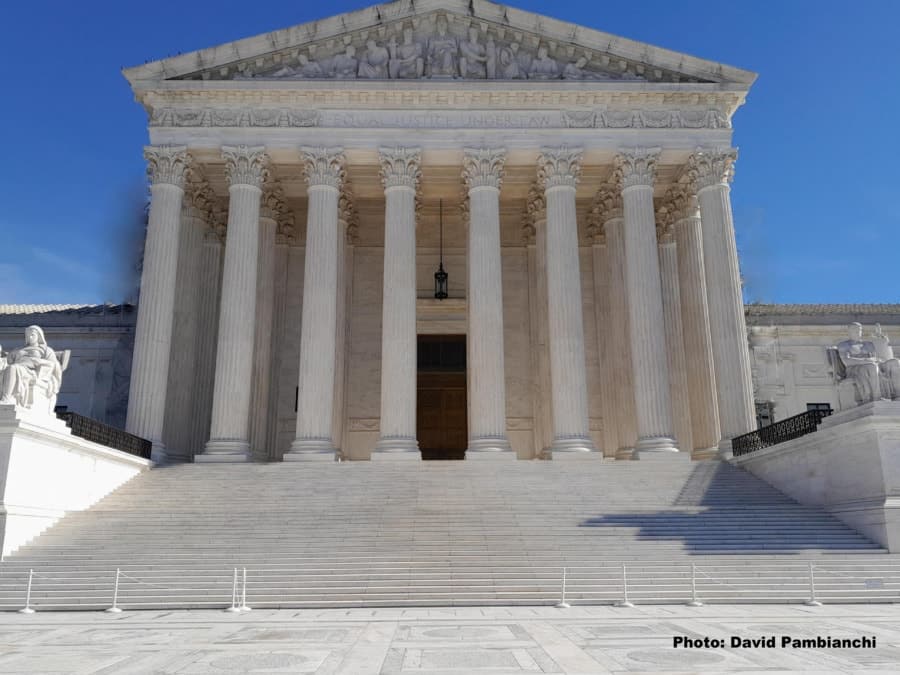
The Court Takes Center Stage
The Supreme Court’s interest in upcoming censorship cases signals a broader legal reckoning over the limits of free speech in the digital era. These cases are poised to address questions surrounding the power of social media platforms to moderate content, government involvement in limiting online speech, and the balance between preventing harmful misinformation and protecting the First Amendment.
For years, there has been mounting concern about whether tech giants like Facebook, Google, and Twitter wield too much control over public discourse. Allegations of political bias, particularly against conservative voices, have fueled debates about whether these companies have overstepped their boundaries. Supporters of increased regulation argue that platforms should be held accountable for the content they allow to proliferate, while opponents contend that such regulation stifles free speech.
The decisions the Court makes will likely have profound consequences not only for politicians but also for tech companies that have become key players in the modern political arena. The potential rulings could define what role, if any, the government should play in moderating online speech and could reshape the future of political engagement.
The Trump Factor
While these cases have broader implications, former President Donald Trump remains at the center of the debate. Following his ban from Twitter and Facebook after the January 6 Capitol riots, Trump consistently argued that these platforms unfairly censor conservative voices. His legal team, along with other Republican leaders, claims that big tech companies are effectively stifling free speech by selectively applying their terms of service.
Trump’s push for re-election in 2024 comes at a time when these censorship cases could bring clarity to the boundaries of free speech online. A favorable ruling from the Supreme Court could significantly bolster his campaign, as it would reinforce his message that he is a victim of politically motivated censorship. Conversely, if the Court rules in favor of the tech companies, it could complicate Trump’s narrative and shift the national conversation around the role of private corporations in managing public discourse.
Implications for Future Administrations
These censorship cases won’t just affect Trump; they have the potential to set legal benchmarks that will influence how future administrations handle the digital landscape. The balance between government regulation and the autonomy of tech companies is a key issue that both Democrats and Republicans will need to navigate. For Democratic politicians, who have expressed concerns about the spread of misinformation, the focus has been on how these platforms allow harmful content to thrive unchecked. For Republicans, the issue centers on perceived bias and selective censorship.
The Supreme Court’s rulings could also influence legislation on digital censorship for years to come. Should the Court limit the power of platforms to moderate content, future administrations may find it harder to combat online misinformation. On the other hand, if the Court strengthens the autonomy of tech companies, the door could open for more aggressive moderation, which might intensify claims of political bias from the right.
The Role of Voters and Tech Companies
Beyond politicians, voters and tech companies are critical stakeholders in this debate. Public opinion on censorship is deeply divided, with some advocating for more robust regulation of online platforms to prevent hate speech, while others see any form of content moderation as a slippery slope toward censorship. The outcomes of these cases could shift voter perspectives, especially as the 2024 election approaches.
Tech companies, meanwhile, face an uncertain future. Regardless of the Court’s rulings, they are likely to face increased scrutiny and pressure from both the government and the public. The legal precedent set by these cases could lead to new regulations that either expand or limit the power these companies have over online discourse.
For platforms like Facebook, Twitter, and YouTube, a ruling in favor of free speech protections could mean loosening content moderation rules, potentially opening the floodgates for all kinds of speech-both positive and negative. However, a ruling in favor of government regulation could lead to stricter guidelines, forcing these companies to be more proactive in content moderation, at the risk of alienating certain political groups.
Shaping the Future of Political Discourse
As these censorship cases move through the Supreme Court, it is clear that the outcome will have far-reaching consequences for how Americans engage with politics and free speech. The rulings will affect how political figures like Trump, future administrations, and tech companies navigate the complexities of online expression in a world increasingly dominated by digital media.
In a time when the line between free speech and harmful misinformation is increasingly blurred, the Supreme Court’s decisions could define the parameters of political discourse for decades to come, fundamentally altering how elections are fought-and won-in the digital age.


5