
Have you ever wondered if the glitz of the red carpet can be paired with real safety? Movie premieres are taking a fresh approach. Now, guests must show proof of vaccination or a recent negative test before they join the event.
And it doesn’t stop there. Simple safety checks and mask rules help keep everyone secure. This new way of doing things shows that you can enjoy the sparkle of Hollywood while keeping health top of mind.
Comprehensive Post-COVID Safety Protocols for Movie Premieres
Movie premieres have changed a lot since the pandemic. Now, safety is a top priority at every red carpet event. Updated guidelines, first introduced in summer 2020 and refined later, now shape how premieres run. These measures follow advice from both Federal and Provincial Public Health Authorities, ensuring a safe space for guests and staff alike.
Health checks are front and center. Attendees must show proof of vaccination or present a negative rapid test from within the last 24 hours. This simple step, along with mask-wearing indoors and temperature checks at entry, keeps the spread of the virus to a minimum while letting the show go on.
Event organizers are pulling together with venue teams and local health experts to create a safety net for everyone. They work closely with compliance and medical groups to manage guest flow and enforce social distancing. The result is a smooth, safe premiere that still keeps the excitement alive.
- Mandatory proof of vaccination or negative rapid test within 24 hours
- Mask requirement for indoor red carpet areas
- Pre-entry temperature assessments at multiple checkpoints
- Physical distance markers along photo-op zones
- Scheduled sanitization routines for high-touch surfaces
- Contactless ticket validation and guest registration
- Onsite medical support station and rapid response team
Evolution of Film Premiere Health Regulations Post COVID
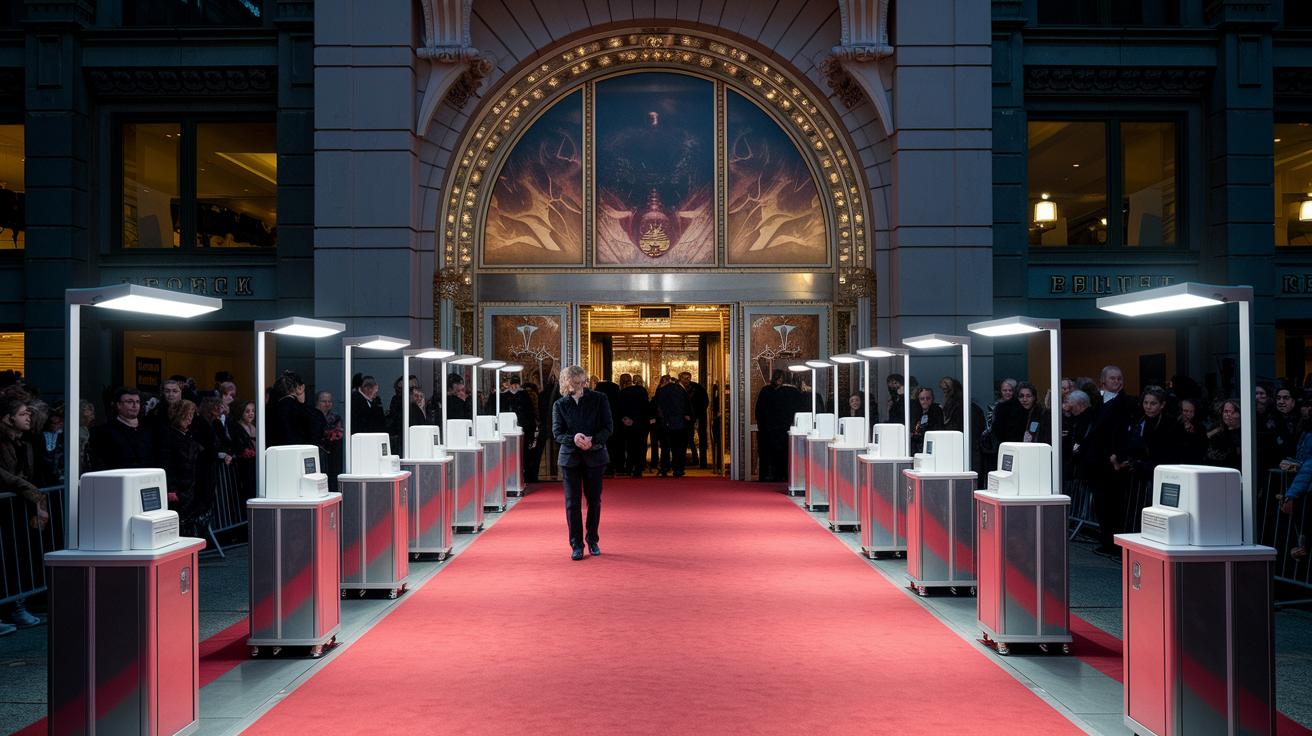
Before COVID-19, film premieres were all about the glitz and glam, with events running at full tilt and no worries about masks. Health measures took a back seat as organizers focused on the sparkle of stars and the excitement of fans. It was all about the red carpet experience, free of any sanitary checks that might slow things down.
When the pandemic hit, everything changed. Guidelines began rolling out in the summer of 2020 and were updated again in November 2020 and January 2021. Organizers had to quickly adapt by limiting the number of guests, spacing out seating, and adding health screenings to each screening event. Now, movie premieres balance the thrill of the event with vital safety steps, keeping everyone as safe as possible while still preserving that unmistakable premiere style.
Implementing Venue Hygiene Guidelines at Premieres
Cinema venues are now stepping up their cleaning game with a clear set of hygiene rules to protect everyone. They regularly sanitize high-touch areas like counters, door handles, and seating spots. During and after each event, cleaning crews go around wiping down these common surfaces. In one instance, staff made sure to clean light switches and armrests every hour, keeping any potential risks low. These measures rely on strict guidelines that help keep moviegoers safe.
Disinfection stations are now a regular sight in the lobbies and restrooms of premiere locations. Hand sanitizer dispensers are carefully placed near entrances and ticket windows, making it easy for guests to grab a quick clean. Restrooms also have extra cleaning supplies along with clear signs reminding everyone to maintain good personal hygiene. This setup makes it simple for both guests and staff to follow cleaning protocols during events.
The staff isn't left out of the plan either. They get ongoing training on how to use approved cleaning agents and maintain accurate records of their work. Workshops and hands-on sessions keep everyone up to date with the latest cleaning methods. Detailed logs record when and what products are used, which are then checked by professional compliance teams. This attention to detail helps build trust with guests, who can feel confident that every measure is taken for their well-being.
Managing Audience Distancing and Venue Capacity for Safe Screenings
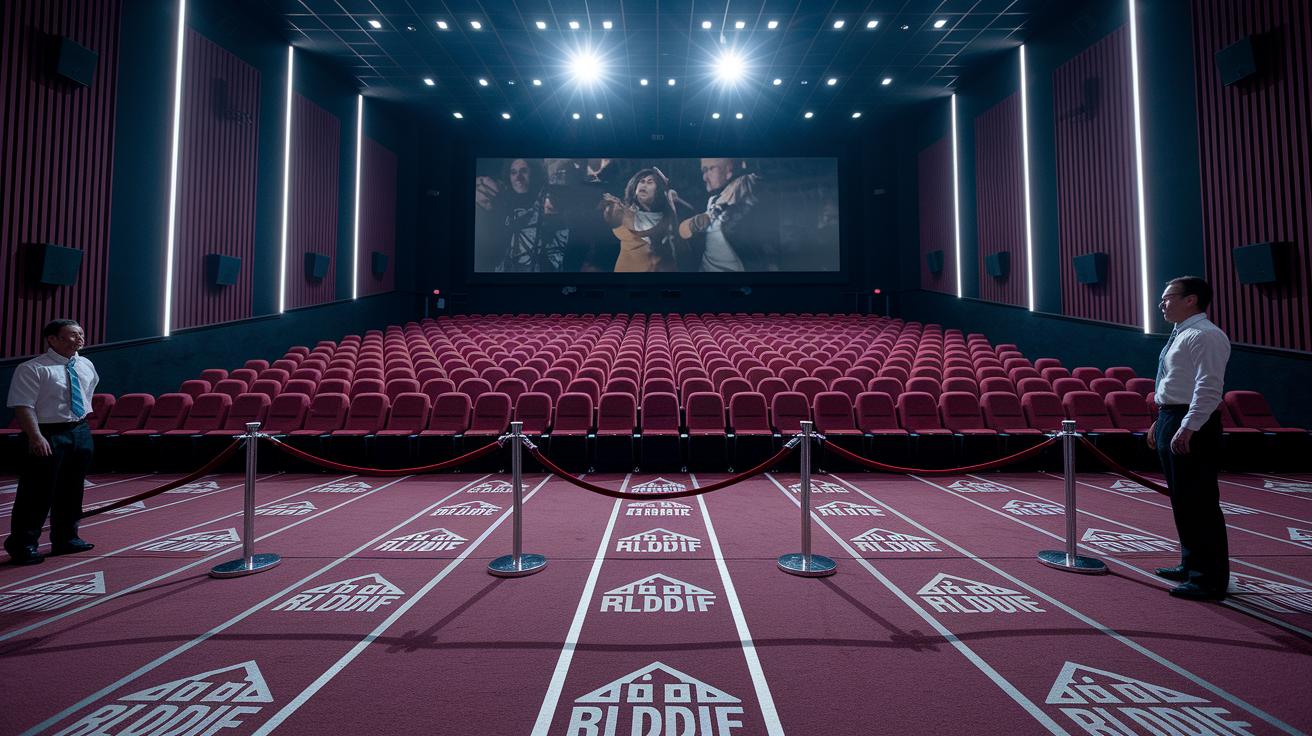
Screenings remain safe when capacity limits are strictly enforced and clear floor markers are in place. Local rules, like those from Illinois, limit cast and crew in tight spaces to 50 people. Nevada follows a similar rule for productions. Over in Ontario, staggered seating and easy-to-follow floor markers make sure everyone finds their right place. These guidelines keep audience spacing orderly and adjust venue capacity effectively. For example, red carpet areas allow only a set number of guests, while auditoriums are filled to just 50% capacity. This careful planning reduces risk and lets every guest enjoy the event in a safer atmosphere.
| Venue Area | Capacity Limit | Distancing Measure |
|---|---|---|
| Red Carpet Zone | 50 persons | 6-foot floor markers |
| Auditorium Seating | 50% seating | Alternate seats empty |
| Concession Stand | 1 guest per station | Queue barriers spaced 6 ft |
Ushers and well-placed signs also play a big role in keeping the crowd organized. They guide guests to their designated spots and keep lines from forming too long. With clear instructions and visible markers, viewers move smoothly through the venue. This means screenings can maintain the thrill of a movie night without risking overcrowding.
Contactless Entry and Ticketing for Post-Pandemic Premieres
Movie premiere organizers are taking safety to a new level with digital entry methods. Now, guests simply scan their tickets on their mobile phones, while RFID wristbands offer an extra layer of contactless verification. Temperature checks, recommended by Ontario public health agencies, ensure that only healthy guests enter the venue. And with rapid test stations set up at check-in points, potential cases are quickly identified without slowing down the flow.
Digital guest check-ins create a smooth process from start to finish, entry, seating, and even exit. This system minimizes physical contact and reduces the need for manual intervention. It also keeps a clear digital record, providing added security for both event staff and attendees.
Air Quality and Ventilation Improvements at Premiere Venues
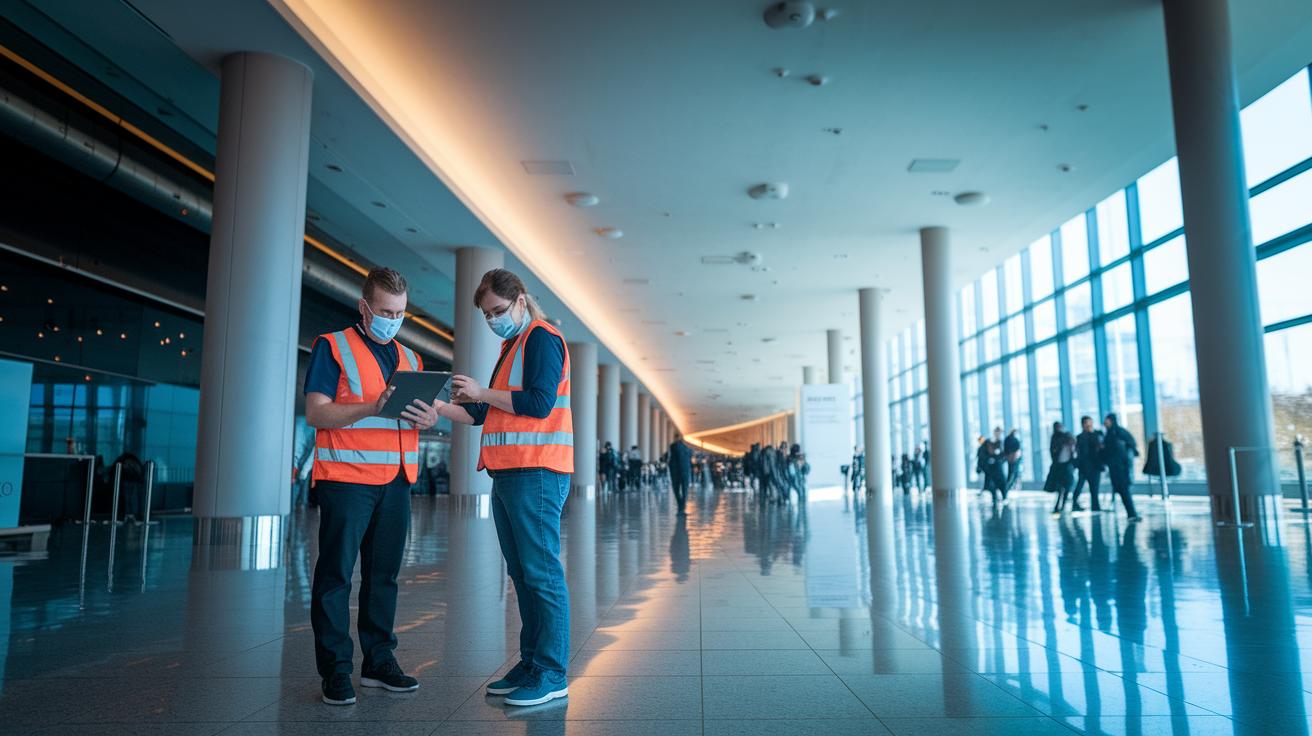
Premiere venues have stepped up their game by adopting strict HVAC practices to ensure that indoor air stays clean and safe. Health agencies now recommend a continuous exchange of indoor air, so updated guidelines keep fresh air constantly flowing. Modern HVAC systems, fitted with high-grade MERV 13+ filters, capture airborne particles while supplying a steady stream of fresh air. Regular filter changes and routine maintenance help these systems run smoothly, giving guests cleaner air during film events.
Alongside the main systems, portable air purifiers add an extra layer of protection in lobby areas and screening rooms. These units target spots where airflow might be limited, ensuring no area is left behind. By placing them thoughtfully throughout the venue, organizers build a layered defense for air quality. In short, this dual approach makes sure both staff and attendees enjoy a healthier environment throughout each screening.
Vaccination and Health Screening Protocols for Guests and Staff
Guests now show a digital or paper vaccination record that gets quickly checked by scanning a QR code linked to a central health database. One guest recently experienced the process, scanning the QR code at entry, and in under three seconds, the system confirmed their status. This new method has sped up entry by 20% compared to older manual checks.
Rapid antigen test stations are set up near entry points with digital systems that record each test result and monitor trends. At one major event, more than 500 rapid tests were done, and results were ready in just 3 to 4 minutes. This quick turnaround gave organizers up-to-date insights into the health status of attendees.
Every day, staff fill out digital health surveys and have their temperatures checked using remote sensor data. This information is sent directly to a central monitoring system. At a recent event, this updated system helped responders address issues 30% faster, making sure any health concerns were handled promptly.
Emergency Response and Continuous Health Monitoring at Screenings
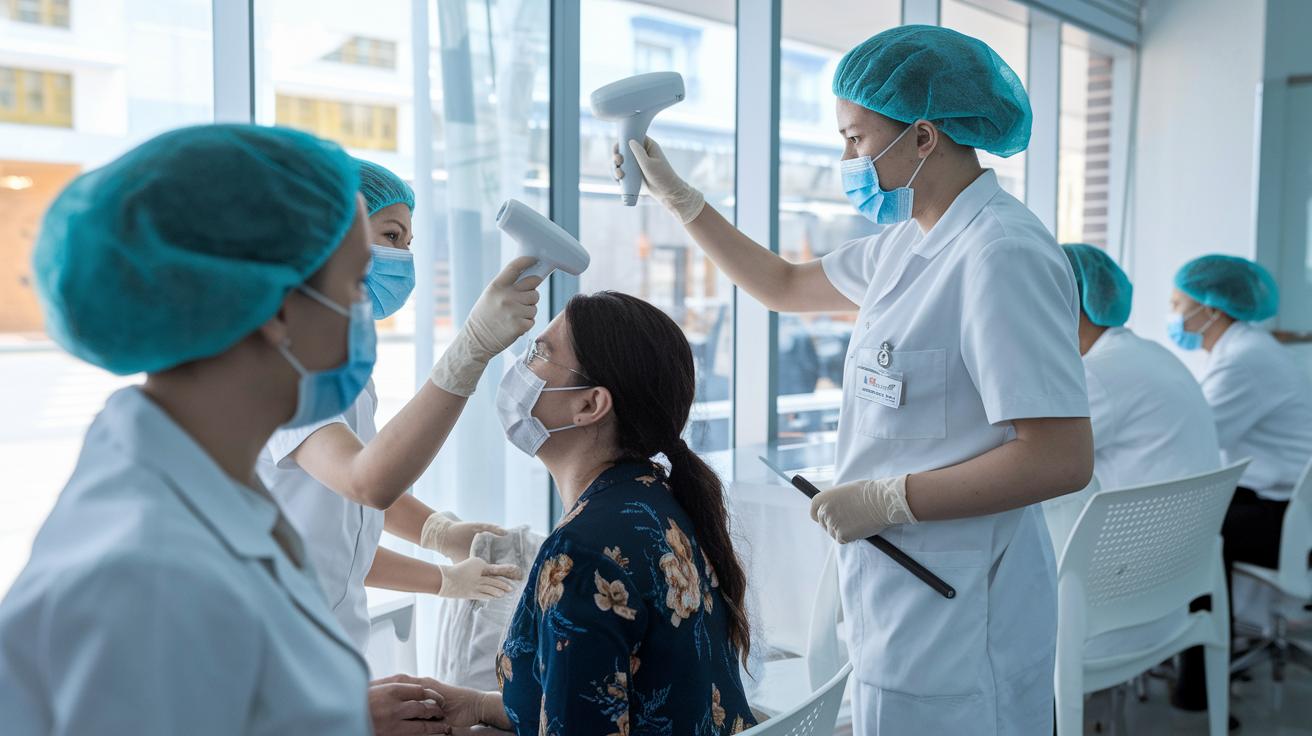
At our screenings, medical teams are always on standby to assist if a guest shows signs of illness or mentions feeling unwell. We follow clear, step-by-step procedures that match public health guidelines to assess and care for anyone in need quickly. Trained staff promptly set aside cases that might be infectious to keep everyone safe, and these procedures are well-practiced and regularly updated.
Daily health checks play an important role in our overall safety plan. Health officers perform routine wellness audits and use alert systems to quickly spot any unusual signs. Our experienced teams review safety protocols and work side-by-side with on-site responders to make any necessary changes. This coordinated approach ensures that every screening is closely monitored, letting us tackle any issues before they become problems.
Final Words
In the action, movie premiere safety protocols post covid have reshaped red carpet events with strict vaccination checks, mask requirements, and crowd management to keep everyone safe. The guidelines outline health screenings, contactless entry, and thorough sanitization as key steps. Organizers, venue teams, and health experts work together to uphold these measures while preserving the excitement of film premieres. Each update reflects a genuine commitment to public safety and a positive outlook for future events.
FAQ
What are the COVID safety protocols?
The COVID safety protocols feature mandatory proof of vaccination or a negative rapid test, mask wearing in indoor areas, temperature checks, physical distancing, scheduled sanitization, contactless ticketing, and onsite medical support, all in line with public health advice.
How did the COVID-19 pandemic change movie releases and affect the movie industry?
The COVID-19 pandemic changed movie releases by shifting toward digital premieres and reduced-capacity events, while also prompting the industry to adopt rigorous safety measures and new screening methods that redefined traditional film distribution.
What are the recommendations after having COVID-19?
The recommendations after having COVID-19 involve following your healthcare provider’s guidance, taking ample rest, monitoring symptoms closely, and slowly resuming activities to ensure a full recovery.

