
Free speech can shake up our political talks in big ways. When everyone is allowed to speak out, every opinion counts and our debates become more meaningful. This open conversation helps our community work together to keep power in check.
At the same time, sometimes louder voices can push aside quieter ones. In this article, we take a look at how free speech can help build a fair political system while trying to give space to every view. Sharing ideas helps connect us and strengthens the democracy we all rely on.
How free speech drives political discourse and democratic governance
Alexander Meiklejohn believed that free speech is key to letting people govern themselves with real information. When everyone shares their thoughts, political discussions become a true community effort. Justices Thurgood Marshall and Louis Brandeis pointed out that speaking freely isn’t just a legal right, it protects each person's dignity. For example, in one town hall meeting, every citizen had the chance to share their concerns before a major decision was made. This shows that when all voices are heard, our political process stays fair and accountable.
Many see free speech as a marketplace where ideas are traded much like goods. But some worry that louder or better-funded voices might drown out quieter ones. Imagine a community meeting where the most persuasive speaker wins, even though every idea deserves attention. This debate reminds us that while free speech is fundamental, keeping the conversation balanced is always a challenge.
Free expression does more than let us talk, it plays five practical roles in our political landscape. It connects different people by inviting diverse views, holds power in check through a watchful press, fuels social progress like the civil rights movement, boosts debate by keeping dialogue open, and sparks creative solutions to problems. Together, these roles form the backbone of a vibrant and responsible public debate.
Constitutional rights and legal limits of free speech in political discourse
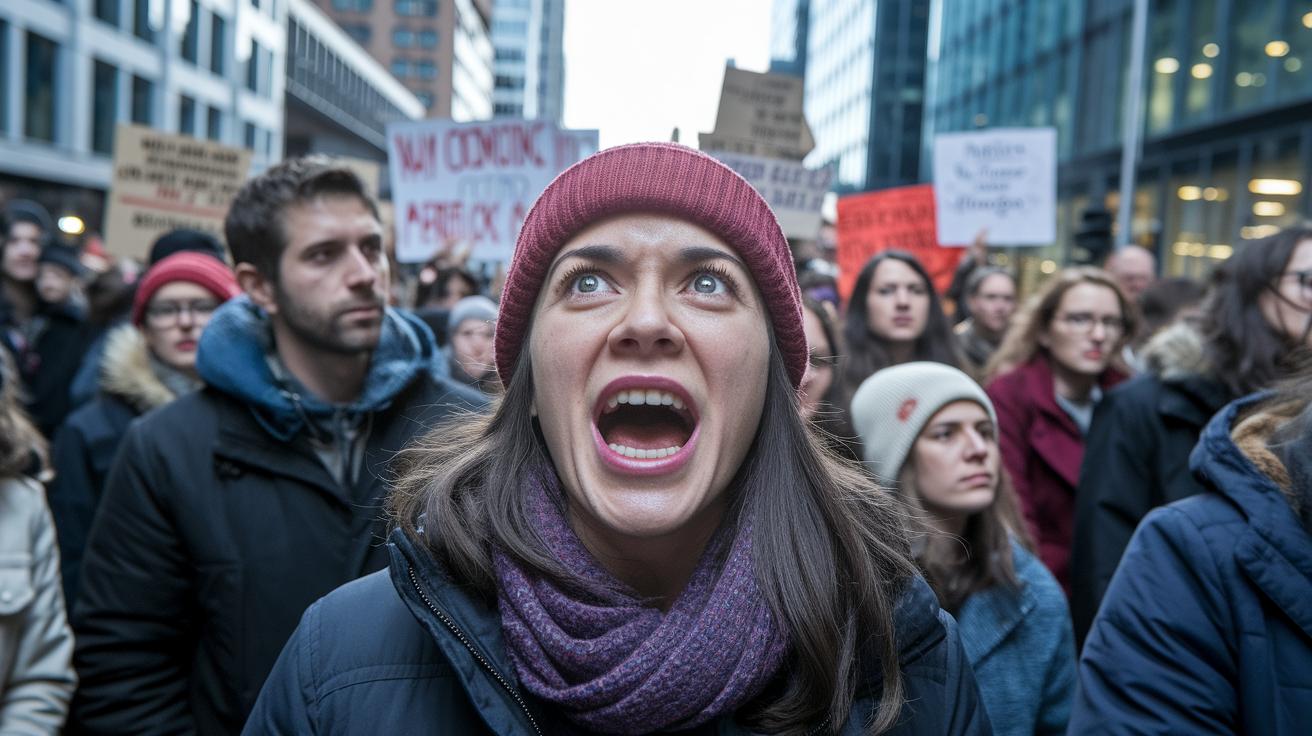
The First Amendment gives people the right to speak freely by protecting them against government censorship. However, it doesn’t cover private actions like criticism or boycotts from individuals or groups. This rule lays the groundwork for protests and open debates while also marking the limits that come from social customs and personal decisions.
- Informational theory
- Safety valve theory
- Tolerance theory
- Liberty theory
For instance, in 2023, the Supreme Court, with a 6-3 vote, upheld the need for age verification for adult content. This case shows the ongoing challenge of balancing government rules that safeguard public interests with the right to free expression. It’s a reminder that while our constitutional rights form a strong base, legal restrictions and social pressures still influence how we participate in public conversations.
Censorship issues and social consequences in free speech political discourse
Social pressures are now a key force in shaping our political conversations. Instead of just relying on government bans, many people face stiff criticism, boycotts, and other social pushbacks when they speak their minds. Think of a local activist whose views spark a fiery debate, rather than seeing government intervention, they endure non-stop online attacks and calls for exclusion. This shows how social forces can put a damper on free speech without any formal rules.
Political debates often turn into clashes over free speech and harmful speech. Some progressive voices say that certain conservatives use free speech to excuse comments that hurt marginalized communities, while many liberal thinkers worry that free speech sometimes shields hate speech and misinformation. This struggle reveals deep concerns about whether free expression truly empowers all voices or quiets the most important ones.
Social media platforms are at the heart of these discussions. Their content checks and algorithm choices can decide who gets heard by a wider audience, adding yet another layer of control over what is said. In this complex arena, it may be time to step away from bitter free speech battles and aim for a more balanced dialogue, one that honors both the freedom to speak and the responsibility that comes with those words.
Digital political dialogue: social media, misinformation, and online censorship control
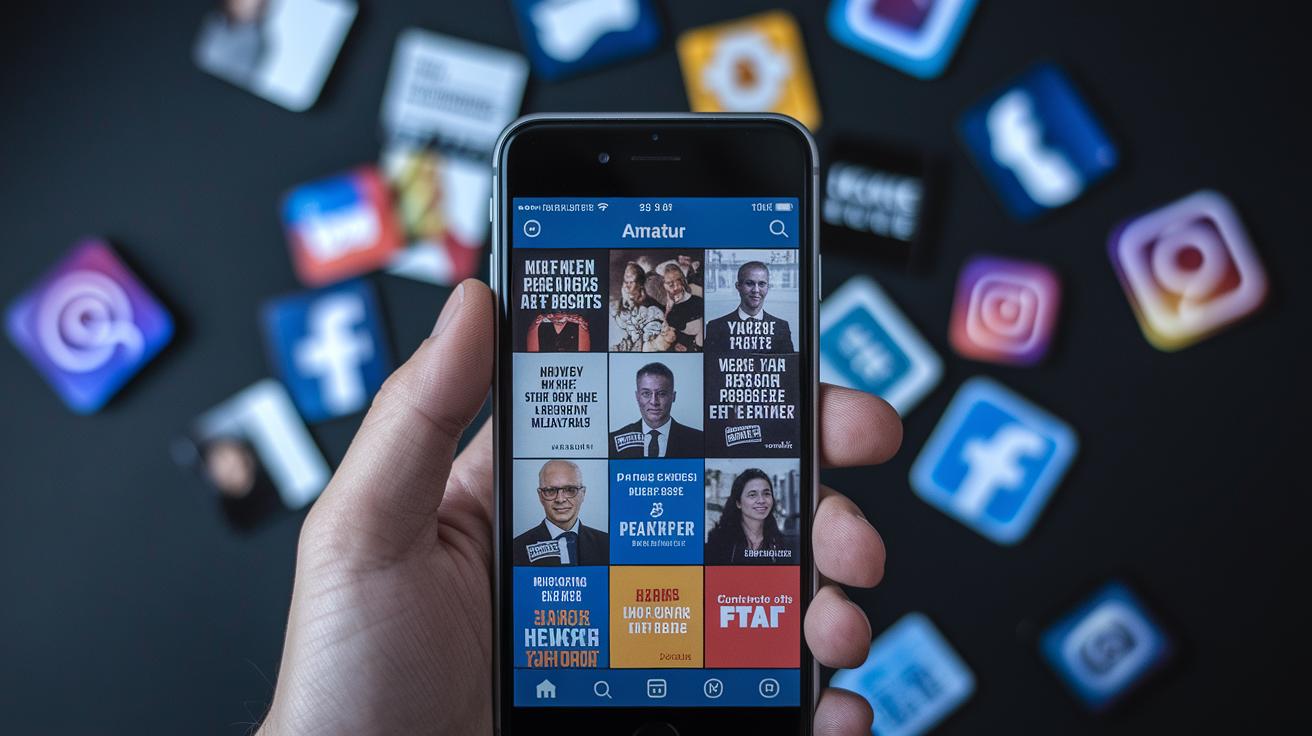
Digital political dialogue has hit a turning point where online platforms and technology shape how ideas spread. Social media networks are like open forums, bustling with everything from election updates to public health news, and the impact is huge. Political influence and public opinion hang in the balance.
Consider these key issues:
- How unclear content-moderation practices can be
- The rise of false information during elections and health crises
- The challenge of AI in balancing free speech with rights protection
- Algorithm bias limiting diverse viewpoints
Legislators and industry heads are proceeding with caution. They suggest that smart, precise moderation, especially for AI-generated political content, can defend free speech while respecting First Amendment rights. Yet, the opaque nature of some platform policies often leads to uneven enforcement, which risks silencing important voices.
Experts argue that any regulation must be robust enough to block dangerous misinformation but nimble enough to encourage innovation and a range of opinions. As policy makers and platform executives join forces, understanding how algorithmic choices affect online conversations is key to keeping our digital political dialogue both diverse and true to public debate.
Regulating hate speech and extremist governance in political discourse
In many public debates, it can be tough to set a clear line between strong political views and words that might hurt others. Laws try to make a difference between speech that supports healthy discussions and language that could lead to harm. Lawmakers often struggle with the idea of including extreme messages under hate speech laws while still safeguarding valid political opinions. Some governments have stretched the idea of extremism to impose wide-ranging speech restrictions, and this worries advocates who fear that safe spaces might soon lose the chance for genuine conversation. This situation shows just how important it is to keep legal rules sharp and clear, so they protect us without shutting down civic debate.
Policymakers face the tricky job of limiting extreme content while making sure free speech remains intact. Critics worry that measures designed to stop dangerous messages might also drown out needed criticism and lively debate. On the other side, supporters argue that setting sensible limits is crucial to prevent hate speech from weakening community engagement. It’s a delicate balance between keeping public spaces secure and preserving the right to voice even controversial ideas. Leaders must weigh the risk of overstepping against the need to stop harmful sentiment, all while ensuring that everyone feels free to share their opinions. As our society evolves, this balancing act remains key, urging both our laws and our practices to be as adaptable as possible.
Activist speech dynamics and protest rights in free speech political discourse
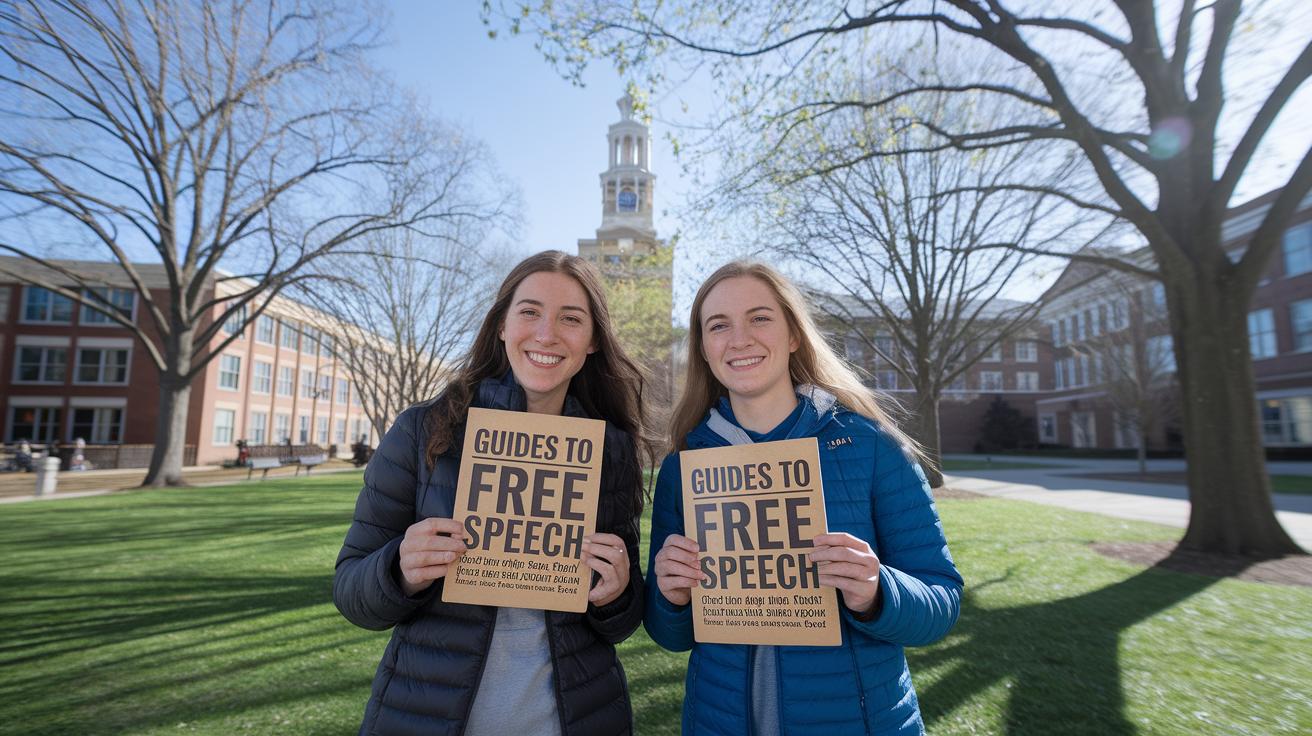
FIRE’s campus outreach shows a clear commitment to protest speech rights by distributing over 138,000 Guides to Free Speech. This effort invites students to stand up for their rights and sparks important discussions about public policy. And many college groups have taken these guides as a launching pad for peaceful protests and media conversations on campus.
Recent surveys reveal just how much students value free expression. In 2022, 44,000 student responses from 208 colleges painted a picture of changing views on protest rights and public discussion guidelines. With the 2025 survey set to be the largest ever, its findings will join insights from the weekly National Speech Index, which keeps an eye on the political pulse. These figures help leaders and educators tackle the challenges posed by activist speech in our communities.
Educational programs are stepping in to nurture respectful debate and build the skills needed for effective public conversations. Workshops and class discussions give students practical tips on defending protest speech while engaging in thoughtful policy debates. In doing so, they are preparing the next generation to express ideas freely and responsibly in a diverse public arena.
Final Words
In the action, the post broke down how free speech drives political discourse. It explored self-governance ideas, legal boundaries, and online challenges while weighing the balance between regulation and open dialogue. We saw how debates over hate speech and activist outreach shape a richer public conversation. The article showed that practical expressions of free speech in political discourse keep democratic debates vibrant. It ends with a nod to the promise of open, respectful public discussion, offering hope for a future where careful dialogue builds a more engaged and informed society.
FAQ
Freedom of speech examples and violation examples
Freedom of speech examples include public debates, protest actions, and media commentary, while violation examples occur when government or societal actions limit these expressions through censorship or punitive legal measures.
What are the five limits to freedom of speech?
The five limits to free speech involve restrictions on hate speech, inciting violence, defamation, threats, and obscenity. These restrictions serve to protect individuals and maintain public safety without overly restricting expression.
What are the arguments against freedom of speech?
Arguments against free speech assert that unrestricted speech can harm vulnerable groups by spreading hate or false information, which may undermine social trust and the integrity of public discourse.
What does the Freedom of Speech Amendment entail?
The Freedom of Speech Amendment, known as the First Amendment, guards individuals against government censorship while still allowing for criticism and regulation in cases where speech may provoke significant harm.
Why is freedom of speech important in ethical discourse?
Freedom of speech is important because it promotes open debate, accountability, and diverse viewpoints, which are essential for ethical decision-making and fostering a healthy, transparent society.
What is political free speech?
Political free speech is the expression of political beliefs, opinions, and commentary without government restriction, fostering informed public debate and contributing to democratic governance.
What are some examples of political speech protected by free speech?
Examples of protected political speech include public criticism of government policies, protest demonstrations, and editorial opinions in the press, all of which support a vibrant democratic process.

