
Ever notice how many people feel left out of the political process? Civic education acts like a bridge, connecting our everyday lives with how our government really works. It shows us what our rights and duties are, much like a great teacher sparks lively discussions in class. Research shows that many of us are missing key bits of civic knowledge, making this kind of education more important than ever. By learning about our rights and roles now, we’re setting the stage for a future where every voice is heard, helping build a stronger, healthier democracy for tomorrow.
Civic Education: Empowering Informed Voices
Civic education is a formal study that helps us understand the basics of democracy and what it means to be an engaged citizen. It explains our constitutional rights, our responsibilities, and the skills we need to take part in government decisions and public debates. In short, it lays the groundwork for a society where open discussion leads to a healthier democracy.
This type of education is key to promoting smart voter participation and a sense of social duty. In classrooms across the nation, lessons on political awareness and civic values inspire young people to engage with their communities. Think of a teacher saying, "Picture a classroom where every student learns to challenge policies and debate ideas like detectives solving a mystery." It’s a simple way to spark curiosity and encourage thoughtful conversation.
Recent surveys reveal a troubling gap in civic knowledge. Only 17% of Americans trust the actions coming from Washington, and nearly one in four cannot name the three branches of government. These findings highlight the urgent need for stronger civic education. When schools enhance their civic programs, young citizens gain the skills to build better communities and confidently contribute to our democracy.
Historical Evolution of Civic Education in the United States
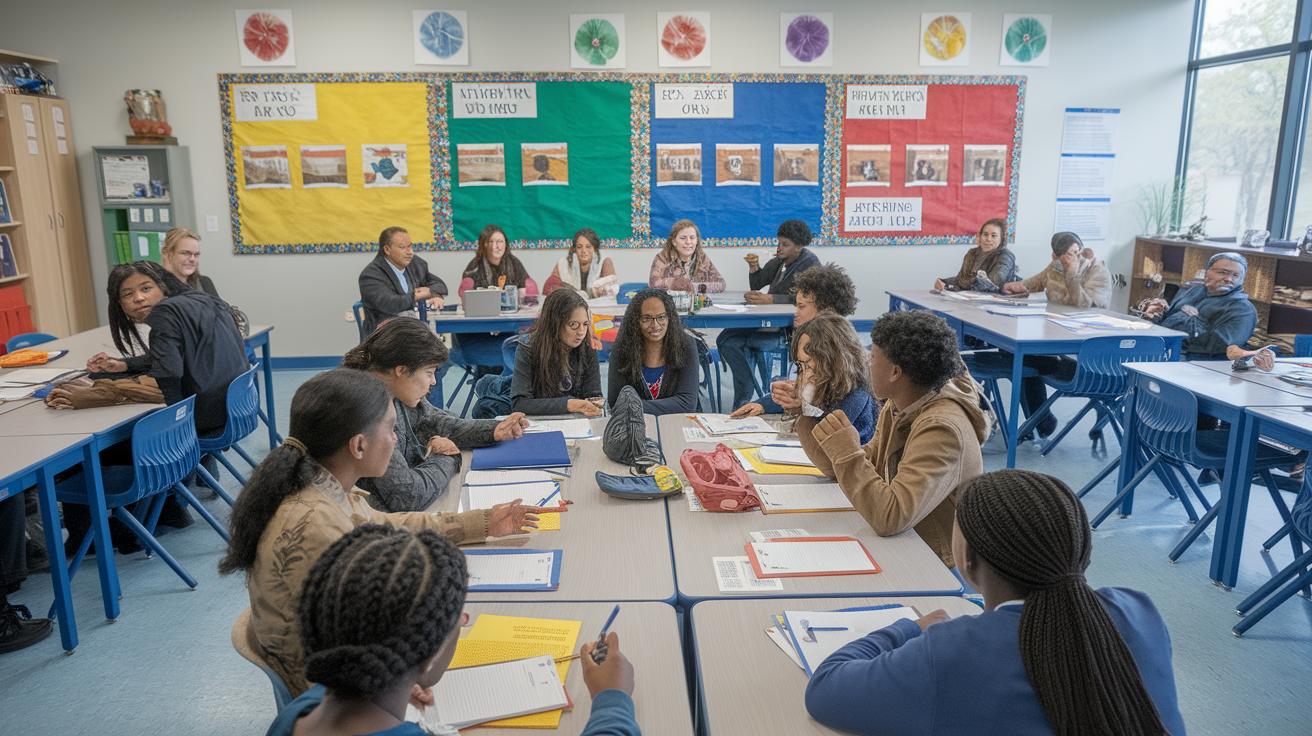
Civic education in the U.S. has been influenced by important events in our history. It all started during the Common Schools Movement of the 1830s to 1860s when teachers built a curriculum centered on shared civic values. They aimed to prepare kids to become informed citizens, setting the stage for open, democratic dialogue.
Then came Sputnik in 1957, which flipped the script on education. Suddenly, the country saw the need to boost skills in science, technology, engineering, and math. This shift spurred major changes in our education system. For instance, the No Child Left Behind Act of 2001 stressed clear academic standards and accountability. And by 2013, the Educate to Innovate plan had shown us that smart, creative teaching methods can coexist with a revived focus on civic learning.
Looking ahead, the Spring 2025 issue (Vol. 25, No. 2) will explore how to merge today's modern skills with traditional civic education. This journey through time reminds us that even though our priorities may change, the main goal stays the same: equipping citizens with the knowledge and skills they need to engage fully in our democracy.
| Year | Initiative | Description |
|---|---|---|
| 1830s-1860s | Common Schools Movement | Set up a national civic curriculum to build a shared identity. |
| 1957 | Sputnik response | Shifted focus to STEM, reshaping education priorities. |
| 2001 | No Child Left Behind | Focused on strong academic standards and accountability. |
| 2013 | Educate to Innovate | Pushed for creative teaching methods while boosting civic learning. |
Core Components of Civic Education Curricula
Civic education sets the stage for active, informed participation in our communities. It ties what we learn in the classroom to the practical skills needed to make a real impact. The courses break down how our government functions and why every single role matters.
Here are the six key parts:
- Constitutional principles
- Rights and responsibilities of citizens
- A look at the electoral system
- The basics of public policy [What is Government Policy]
- Techniques for community teaching
- Media literacy when it comes to political content
Each of these pieces builds a complete picture of our democracy. For example, understanding constitutional principles shows students how laws protect our everyday rights. Learning about the electoral system reveals how voting can change outcomes. Courses on public policy help explain how government decisions are made and often point to further readings. Techniques for community instruction give learners the tools to discuss and use civic ideas in their local areas. And media literacy teaches them to sort between opinion and fact in political news.
In short, mixing these elements makes civic education a powerful tool for community strength. This approach not only gears up young people for active roles in society, but it also sparks a thoughtful involvement in public debate and local progress.
Innovative Methods in Civic Education: Interactive and Online Modules
Online Training Courses
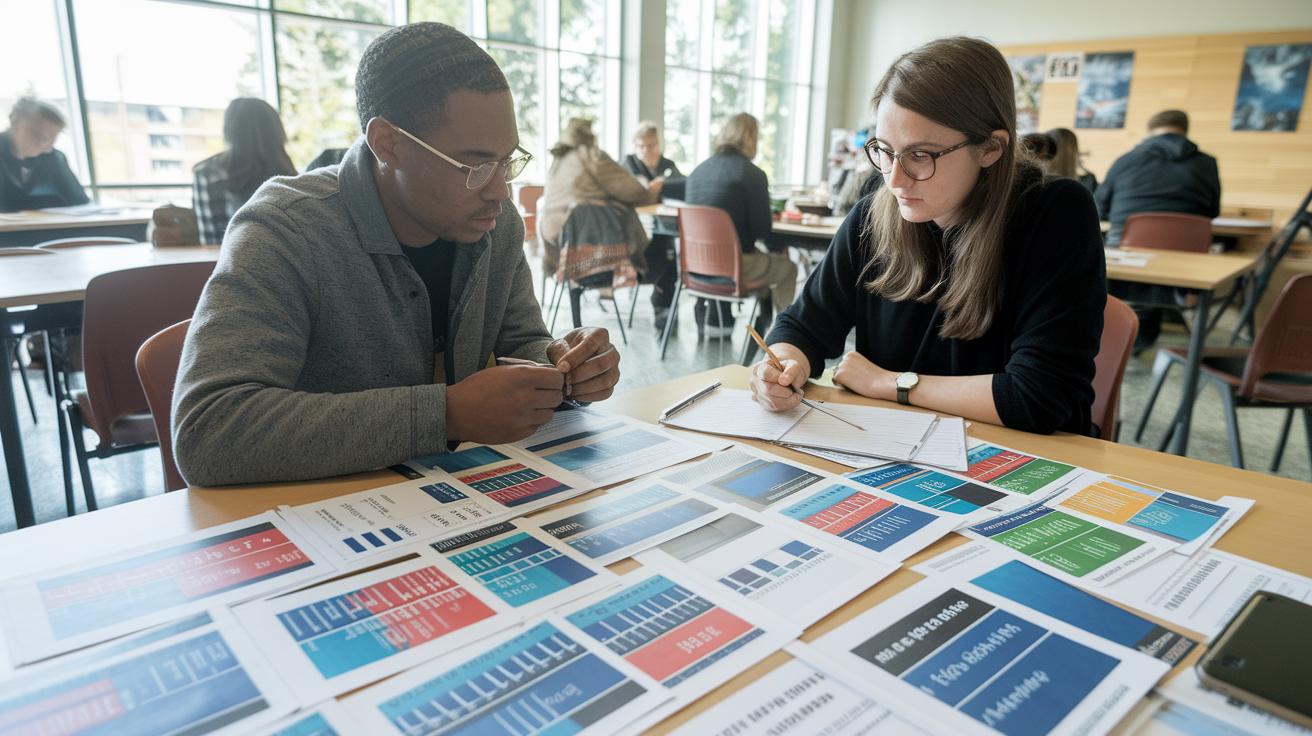
Online training courses use digital tools like videos, quizzes, and discussion boards to explore civic topics. They break down government roles, citizen rights, and ways to get involved in simple, clear segments. These courses are designed to fit different community needs, offering flexibility whether you're diving into local issues or taking on national debates. Imagine a course where you can join a mini civic debate, practicing your opinions on everyday challenges.
Experiential Workshops
Experiential workshops take learning beyond the screen by adding hands-on activities. In these sessions, case studies and service projects turn into real-life experiences that teach civic duties. You get to work with local groups in forums, solving community issues through practical examples. This approach not only builds your understanding but also sharpens your skills in discussion and debate. Picture a workshop where you and a small group tackle a real local planning issue, just like in an actual community meeting.
Interactive Simulations
Interactive simulations bring civic engagement to life by recreating settings like legislative sessions, virtual town halls, and voting processes. In these role-playing activities, you step into the shoes of lawmakers and community leaders, testing out decisions and seeing firsthand how each vote matters. These simulations let you experience the realities of civic participation in a safe, digital environment. Think of it as a game where you navigate an election process, exploring policies and their impacts along the way.
Policy, Funding, and Institutional Support for Civic Education
Many school districts face funding gaps that hold back the growth of civic education programs. Experts say that real progress starts with stronger financial support and clear backing from the federal government. Schools often find it hard to invest in updated lesson plans and community programs that explain how public policies work. In some districts, essential programs designed to teach the basics of government are at risk because budgets just can’t keep up with the need for new materials and qualified experts.
Lawmakers are now focusing on ways to match school budgets with civic education goals. By setting clear targets for improving civic literacy, leaders create the chance for schools to offer structured lessons on rights, responsibilities, and how government systems operate. For example, one district reshaped its spending after new accountability measures were put in place, turning its civic curriculum into a lively center for learning about policy analysis.
Stable, long-term support from institutions is key to making sure these programs last. When schools and governing bodies work together, they can use clear accountability measures and detailed exploration of legislative processes to make civic education a consistent priority across the nation.
Real-World Outcomes and Case Studies in Civic Education
New civic education programs are showing real and measurable results. Volunteer efforts across the country prove that when young people pitch in with community work, their interest reaches far beyond the classroom. For instance, one pilot project helped increase voter registration by about 15 percent. These projects show that learning to be an active citizen can balance a strong focus on STEM subjects, giving students a chance to explore ideas like social and minority justice. They can share their thoughts and tackle local challenges head on.
Research tells us that blending modern skills training with hands-on civic projects works well. When students get involved in volunteer work, they develop better problem-solving skills that help them in everyday life. Practical assignments mixed with lessons on civic responsibility boost teamwork, clear communication, and a real understanding of how policies affect us all. In short, these efforts let students play a direct role in local decision-making and help build a stronger, more connected community.
Future Directions and Challenges in Civic Education
Recent studies show that teaching civics is facing both new hurdles and fresh opportunities. Schools are now mixing tech with hands-on, local problem solving to better prepare students for real-life voting and community activities.
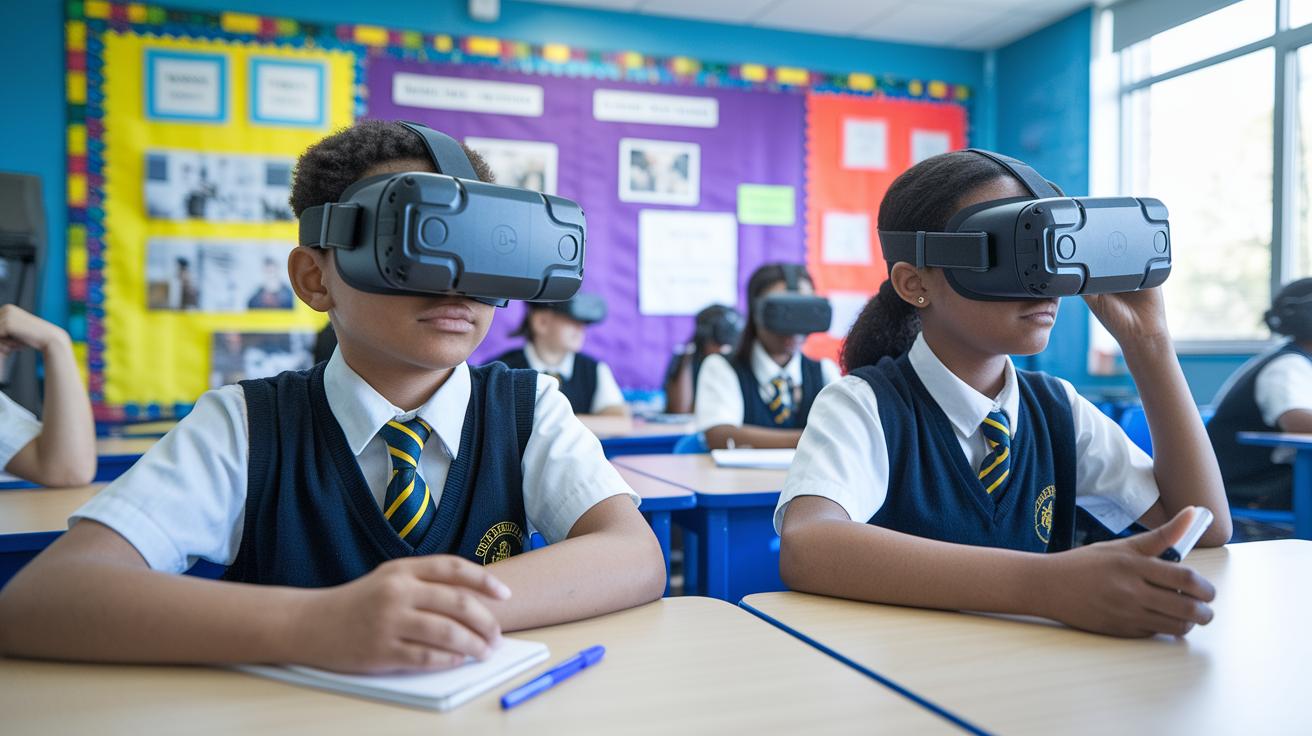
Innovative methods, like game-based learning and virtual reality, are changing how we learn about civics. For example, one underrepresented student improved debate skills after participating in a gamified simulation. These modern tools let students explore complex civic issues through interactive scenarios that boost critical thinking and practical decision making.
Researchers are also finding that using local, real-time data in classroom simulations makes lessons feel more like real policy debates. This approach gives students the chance to try out civic decisions while learning from recent trends and research.
Schools and researchers are teaming up to see how new tech might influence long-term democratic participation. Even though not everyone has equal access to tech, using these fresh methods is setting the stage for a more engaging and informed approach to civic education.
| Emerging Trend | Potential Impact |
|---|---|
| Gamified Learning Modules | Boosts student engagement by mimicking real policy situations. |
| Virtual Reality Platforms | Offers immersive experiences that highlight real civic challenges. |
Final Words
In the action, this article broke down how civic education shapes our understanding of rights and responsibilities, from its rich history to modern, hands-on learning methods. It showcased core curriculum elements, innovative modules, and the role of policy in strengthening our community's knowledge and engagement.
The insights highlight measurable outcomes and a clear path forward. With these fresh perspectives, civic education stands as a vital tool for building an informed and active citizenry, setting a positive tone for our shared future.
FAQ
What is the meaning of civic education?
The civic education means a structured study of democratic literacy, citizen rights and responsibilities, and skills needed for active participation in community life.
What is the value of civic education?
The civic education adds value by boosting social awareness, supporting informed voting, and preparing individuals to contribute meaningfully to their communities.
What are some key importance aspects of civic education?
The civic education strengthens democratic understanding, promotes active citizenship, and grows community responsibility, all vital for a well-functioning society.
How is civic education implemented in schools and programs?
The civic education is delivered through interactive lessons, assignments like essays, digital PDFs, and games that help students understand government functions and their roles in society.
What are the core elements taught in a civics class?
In a civics class, students learn about constitutional principles, citizen rights, electoral processes, and public policy basics to nurture active and informed community participation.
What are the four components of civic education?
The civic education comprises four parts: understanding constitutional principles, learning citizen rights, examining government structure, and developing skills for practical, active participation.

