
Have you ever wondered how much your voice can matter in your community? Getting involved in things like voting, joining meetings, or volunteering makes a real difference. These everyday actions help keep our towns strong and our leaders honest.
When local experts share their ideas and everyday people speak from experience, decisions become fairer and more in tune with what we really need. Working together builds trust and brings neighbors closer, day by day.
How Civic Engagement Strengthens Democracy
Civic engagement is about getting involved in community and government matters. It means voting, joining local meetings, and volunteering to help solve problems in your neighborhood. This kind of participation makes sure that everyday experiences and ideas shape the decisions that affect all of us.
By having more people take part in decision-making, civic engagement keeps our democracy strong. It connects expert ideas with what communities really need, helping policies stay in tune with public expectations. In doing so, it builds a shared sense of responsibility among everyone.
Robin F. Bachin believes that linking academic theory with everyday practice is vital for a healthy democracy. When we vote, speak up in public discussions, and volunteer locally, we build trust and cooperation among neighbors. In fact, studies show that communities with active civic participation are more resilient and give people a real voice in shaping their government and society.
Social Benefits of Civic Engagement in Communities

Civic engagement unites neighbors as they team up on common goals that boost community spirit. People join local meetings, volunteer for neighborhood projects, and support initiatives that encourage civic action. When residents share their time and talents, they forge stronger bonds, making everyday life feel more connected.
Working together builds trust and creates valuable networks within communities. It’s like cheering on a local sports team, you rely on one another, and everyone benefits. Plus, these activities often involve physical work, which means active, healthier lifestyles for all.
Here's an interesting fact: A joint study by the Robert Wood Johnson Foundation and RAND Corp found that communities with high civic involvement have noticeably lower rates of cancer, heart disease, and depression. This goes to show just how powerful civic participation can be.
- Builds trust among neighbors
- Expands social networks and support systems
- Encourages active participation in local projects
- Creates more opportunities for physical well-being
- Inspires volunteerism that promotes safety and pride
- Strengthens the sense of belonging and collective responsibility
When more people pitch in with community projects like neighborhood clean-ups or youth programs, stress levels drop and both mental and physical health improve. Civic engagement not only enhances individual lives but also builds stronger, more resilient communities.
Economic and Policy Impacts of Civic Participation
Citizen involvement is key when it comes to shaping decisions that affect everyday life. When community members speak up, they help guide changes in housing, transportation, and education, ensuring that government policies match what real people need. It’s a clear example of how civic engagement can steer policy changes that blend public expectations with practical actions.
Real-life stories back this up. In South Florida, community projects aimed at urban renewal and affordable housing have led to noticeable economic improvements. Leaders like Bachin show us that local participation not only brings fairness to the forefront but also helps provide cost-effective public services. Local groups that connect donors with grassroots solutions prove that civic engagement can lead to meaningful economic benefits and a government that truly listens.
Why Youth Civic Engagement Is Crucial for Future Leaders
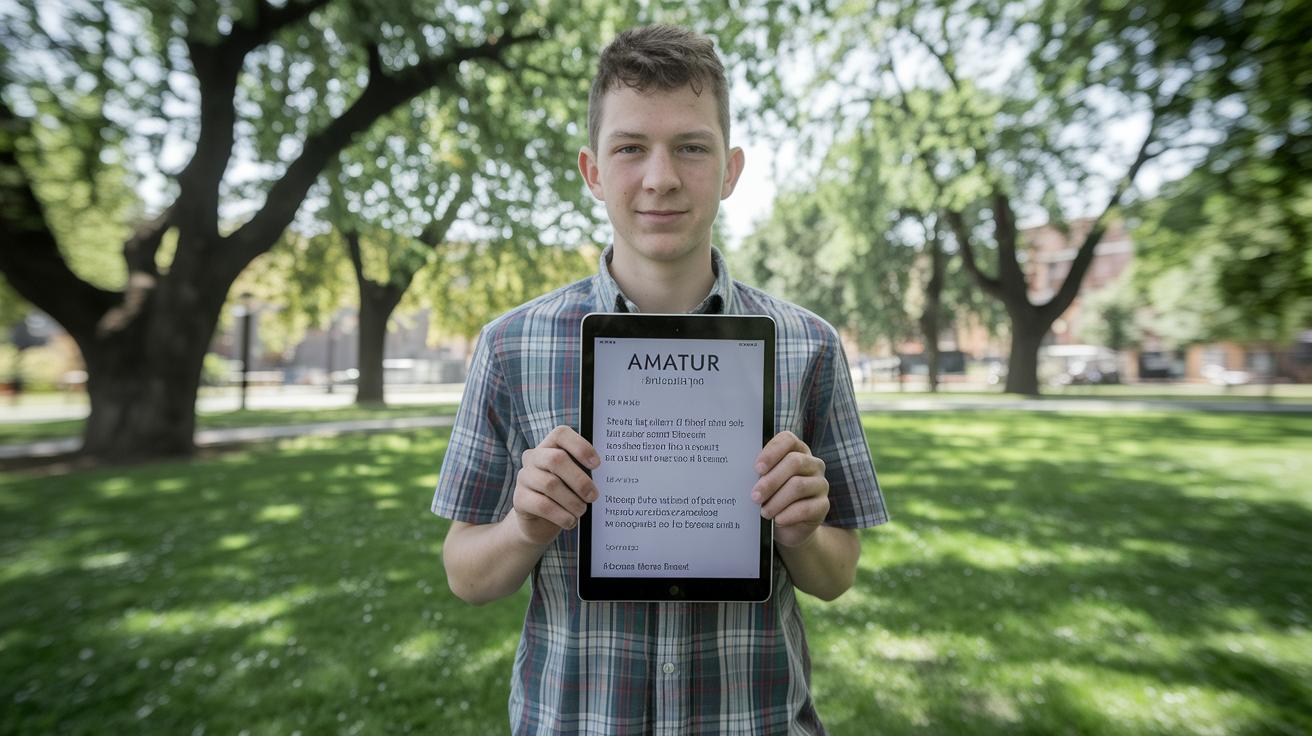
Today's young people are combining classroom lessons with modern digital tools, setting themselves up to drive real change. Social media and volunteer apps offer them fresh ways to engage with community issues and make their voices heard. Imagine a teenager who launched an online petition that quickly rallied support for renovating a local park, it’s proof that digital tools can spark real progress. By bringing civic education into schools with a digital twist, we’re laying the groundwork for a lifetime of community involvement and even boosting voter turnout.
Real-life examples show that getting involved in community service builds leadership skills and forms strong networks among peers. Volunteering at food banks or mentoring younger students not only teaches practical skills but also deepens a commitment to civic duty. Think of a high schooler guiding younger kids in setting up neighborhood events, such efforts can ignite community spirit and encourage widespread participation. Through these grassroots actions, youth prove that civic engagement makes communities healthier and prepares them to become the effective leaders of tomorrow.
Case Studies Demonstrating Why Civic Engagement Is Important
Real-world examples show that when people work together, communities get stronger. Local residents, schools, and organizations join forces to improve housing, health, and the economy. These projects bring clear benefits and even change local political scenes so every voice feels heard. Did you know that communities that collaborate often have lower stress and closer bonds among neighbors?
Urban Revitalization in South Florida
In South Florida, a partnership between a university and local leaders sparked affordable housing projects. They turned neglected areas into safe, lively neighborhoods. This effort made home ownership easier and ensured that new development met real local needs. The boost in community confidence clearly shows that civic engagement makes a real difference.
Neighborhood Clean-Up and Youth Mentoring
Regular neighborhood clean-ups combined with youth mentoring have boosted community health and brought people together. High school students and local organizers team up to freshen up public spaces and guide younger residents. Their work not only creates cleaner environments but also builds pride and responsibility among everyone involved. The improved health stats and stronger community spirit highlight the real-world impact of these grassroots projects.
Professional Skills-Based Volunteering
Skills-based volunteering programs offer workshops on financial literacy, marketing, and IT support to those who need it most. Professionals share their know-how to help build economic strength and give residents the tools they need to succeed. By applying their expertise, these efforts strengthen local businesses and community services. It proves that skill-focused volunteer work can lead to long-lasting, positive changes.
Final Words
In the action, civic engagement drives democratic health and builds stronger communities. This post reviewed how participation shapes policy, boosts economic outcomes, and equips young leaders to step up.
By sharing case studies and expert insights, we learned why is civic engagement important to social cooperation and public well-being. Positive examples remind us that every bit of civic action creates a network of trust and progress for tomorrow.
FAQ
Why is civic engagement important for democracy and society?
The importance of civic engagement is clear when active participation strengthens democratic processes and builds robust communities. Engaged citizens help shape policy, improve trust, and foster social unity.
What is civic engagement and community engagement?
Defining civic engagement means taking part in activities like voting, volunteering, and advocacy to improve societal welfare. Community engagement focuses on local collaborations that unite residents to address shared challenges.
Why is civic engagement important for students and youth?
The significance of civic engagement for students and youth lies in building leadership abilities and responsible citizenship. Digital platforms and local volunteering help young people learn real-world problem-solving and participatory skills.
What are some examples of civic engagement?
Examples of civic engagement include voting, neighborhood clean-ups, mentorship programs, and skills-based volunteering. These activities empower individuals to boost community trust, improve public health, and promote economic growth.
Why is civic engagement declining?
The decrease in civic engagement often reflects growing disillusionment and diminished trust in public institutions, which undermines community involvement and highlights the need for renewed investment in active citizenship.
How can I find essays or PDFs on why civic engagement is important?
Finding essays or PDFs about the value of civic engagement involves exploring educational resources, academic databases, and trusted websites, where thorough analyses and research explain the benefits of citizen participation.

