
Ever thought a manual Civic might make your daily drive a little more exciting? With its clever 1.5-liter turbo engine and smooth six-speed gearbox, the Honda manual Civic delivers a sporty feel that makes every shift count. It's all about giving drivers that precise control they want, turning each trip into a more engaging and confident experience.
Manual Transmission Overview for the Honda Civic
The 2022 Honda Civic Hatchback manual offers drivers a fresh, engaging way to experience every drive. Its 1.5 L turbo engine works smoothly with a precise six-speed gearbox to deliver a sporty and confident feel. In tests, the Civic Sport Touring hatch reached 0-60 mph in just 7.7 seconds, matching the performance of the CVT while adding its own unique charm with responsive, communicative steering.
The car’s drivetrain stands out with its progressive, lightly sprung clutch that makes shifting a delight. When you ease the clutch right at the bite point, power seamlessly transfers to the wheels, evoking the excitement of driving a finely tuned sports car. Every shift feels measured and smooth, inviting you to enjoy the process.
Advanced engineering links the turbo engine and manual gearbox in a way that makes each gear change feel deliberate and consistent. The design is calibrated for an immediate engine response so that you can feel each nuance of acceleration and deceleration. It’s like riding a clear wave of power, where every press of the pedal is communicated perfectly through the stick shift.
| Component | Function | Location |
|---|---|---|
| Clutch | Engages and disengages engine power | Between engine and transmission |
| Six-Speed Gearbox | Manages gear ratios for smooth power delivery | Within the transmission system |
| Shifter | Enables precise gear selection | Driver’s cockpit |
The Civic manual also features modern stick-shift elements. Its lightweight throw design makes gear changes feel quick and responsive, while an optional rev-match control helps sync engine speed during downshifts. This smart blend of performance and ease-of-use makes the Civic manual a favorite for anyone who craves fun behind the wheel along with a sense of refined driving confidence.
Clutch Control Techniques in a Civic Manual

Getting your seat height, pedal reach, and posture just right is the first step in mastering clutch control in a civic manual. When these basic elements work together, you can feel every gear shift clearly and drive with confidence. One driver even mentioned that with the perfect seat height, the manual transmission becomes a natural extension of your body.
Setup and Adjustments
Setting up your seat correctly makes a huge difference. It ensures you can reach the pedals comfortably. A little extra room for the pedals also helps prevent accidental slips when you press the clutch. Adjust your seat so that your legs stay relaxed but are quick to respond when you need to shift gears.
Finding the Bite Point
Begin by slowly releasing the clutch until you hear a change in the engine sound. As the engine tone shifts and power starts to flow, you find what we call the bite point. This gentle, gradual release is the key moment when the clutch catches and starts to work.
Smooth Engagement
After you locate the bite point, it’s important to match your throttle accordingly. Ease off the clutch gradually as you add a little gas so that your car begins to move smoothly. This careful balance helps make the transition from a stop to moving forward feel as natural as a steady conversation.
Rev-Match Downshifts
When it comes time to lower your gear, try using a heel-toe technique. This method helps synchronize the engine speed with the gear speed, making your downshifts smooth without any sudden jerks.
Pay attention to any signs of clutch wear, such as slipping, chattering, or uneven engagement. If you notice these issues, it might be a good idea to have your clutch system checked out.
Stick Shift Operation Tips and Gear Selection Insights
The Civic manual shows you how to handle a stick shift with a design that is both smooth and dependable. Its standard H-pattern layout makes choosing gears simple, while the gear ratios ensure that every shift makes the most of the engine’s power. The clearly marked stick shift gives new drivers a boost of confidence, almost like following a trusted Honda guide. Even with a slightly stiff and notchy feel, the shifter remains a strong example of a manual transmission that ties your actions directly to the car's performance.
-
1→2 Upshift Timing: Shift from first to second gear as the engine nears its best performance range. This moment keeps the pull steady and the car responsive at low speeds. For example, when the engine begins to whistle, it’s a good time to shift and carry the momentum forward.
-
2→3 for Mid-Range Pull: Transition into third gear smoothly to boost traction and power during city drives. A fluid shift lets the engine stay in a healthy range without any extra strain.
-
Efficient Highway 5th Gear Use: Use fifth gear while on the highway to maintain a steady cruise and keep the engine relaxed. This shift strikes a balance between good performance and fuel efficiency, making the ride more economical.
-
4→3 Downshift Before Braking: Downshift to third gear just before hitting the brakes. This pre-brake shift uses the engine's resistance to help slow down the car, giving you better control.
-
Engaging Reverse Safely: Always come to a full stop before shifting into reverse. This careful approach keeps the process safe and prevents any accidental gear changes.
Matching the engine’s revs with every gear change and applying the right pressure on the gear lever helps prevent shift clash. This technique minimizes wear and ensures that each gear change stays as smooth as possible.
Transmission Upkeep and Maintenance Checklist for Civic Manuals
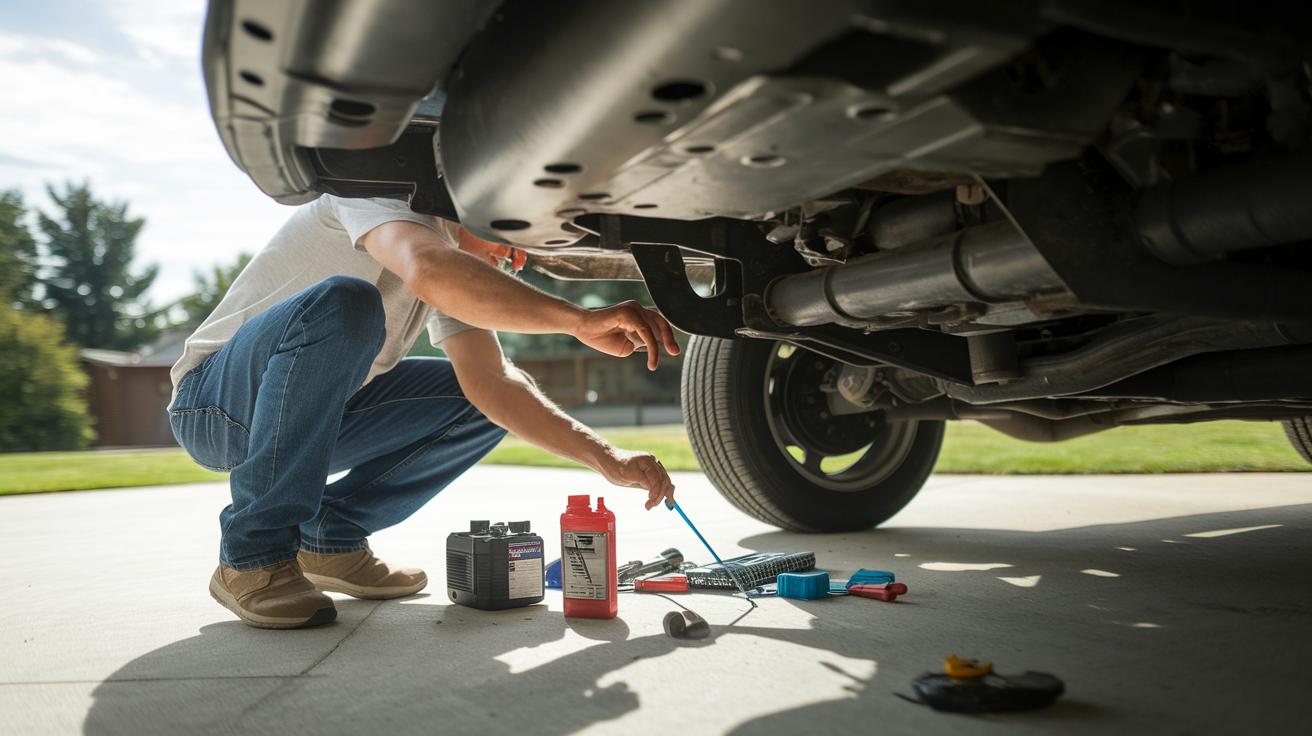
Keeping your civic manual in top shape is all about regular care. Honda suggests you change the fluid every 60,000 miles. Doing so helps stop small problems from turning into expensive fixes. Checking the shift linkage and shift boot often also stops moisture damage from ruining parts. This simple guide shows you how to care for your manual transmission and extend your Civic’s life.
| Task | Frequency | Tools Needed |
|---|---|---|
| Fluid Change | Every 60,000 miles | Drain pan, Socket set |
| Linkage Lubrication | Every 30,000 miles | High-quality grease, Lubrication gun |
| Shift Boot Inspection | Every 30,000 miles | Visual check, Replacement kit if needed |
If you decide to change the fluid yourself, make sure your vehicle is on flat ground. Remove the drain plug so the old fluid can drain out, then add Honda’s spec-grade fluid. After that, check the fluid level while the engine is warm to be sure you’ve filled it up correctly.
Troubleshooting Common Gearbox Issues in Civic Manuals
Many Civic owners notice a clunky shift, grinding sounds during downshifts, gears that unexpectedly slip, odd clutch chatter, or difficulties when engaging reverse. These early hints suggest the transmission might be calling for some attention before a bigger repair is needed.
If your shift feels rough, try lubricating the linkage. Grinding noises while downshifting might mean you need to adjust the free play on your clutch. Slipping gears could be a sign to inspect the synchronizers, and clutch chatter may point to an issue with the flywheel surface. Trouble with reverse usually indicates that the shift-lever alignment needs a check.
If these quick fixes don’t do the trick or if you continue to hear unusual noises and feel extra resistance during gear changes, it’s a good idea to talk to a certified technician. Persistent gearbox issues can signal underlying wear or alignment problems that only a professional can address. Trust the Honda Info Center for auto-select diagnostics by VIN, taking these steps promptly can keep your Civic running smooth and reliable.
Performance Tuning Tips for Civic Manual Enthusiasts

Finding the right balance between power and smooth handling is key when tuning your Civic manual. The idea is to boost the turbo engine’s performance without losing that easygoing feel behind the wheel. Think of the Civic's well-received steering and finely tuned suspension, as hailed in the best new Civic in 15 years, as a sturdy base. With smart bolt-on upgrades, every part works together to deliver both exciting acceleration and steady fuel economy.
-
Short-throw shifter kit installation
Installing a short-throw shifter kit cuts down the shifting distance, giving you quicker gear changes. Many enthusiasts even say it feels like the shifter becomes an extension of your hand. -
Performance clutch pack upgrade
Upgrading to a performance clutch pack means better durability and faster response. It provides a firmer grip during fast starts, ensuring power is transferred smoothly without any slippage. -
Lightweight flywheel fitting
A lightweight flywheel lets your engine rev faster. This tweak sharpens throttle response, so you get a more lively drive when you need that extra push. -
ECU mapping for turbo response
Tweaking the ECU map can fine-tune your turbo engine’s performance. These adjustments optimize the fuel-air mixture and boost pressure to sharpen acceleration while keeping fuel usage in check.
It also helps to practice smooth-shift techniques to really bring out the best in these upgrades. Consistent practice, like easing off the clutch while adding just the right amount of throttle, can have a big impact. Not only does it improve fuel consumption and reduce wear, but it also means your Civic remains fun and refined on every drive.
Manual vs Automatic Transmission Comparison in the Civic Lineup
Choosing a Civic means deciding whether to be hands-on with your car or to keep it simple for daily driving. A manual transmission offers a lively, engaging feel with every gear shift, almost like a personal dance with your vehicle. One driver said, "Shifting a manual gives me a real sense of control and excitement that a typical automatic just can't match."
On the flip side, the CVT is all about ease and comfort. It’s designed for everyday commuting, letting you relax and enjoy a smooth ride without thinking about manual gear changes, much like following a well-practiced routine.
| Transmission Type | 0-60 mph | Driver Involvement |
|---|---|---|
| Manual | 7.7 seconds | High |
| CVT | 7.4 seconds | Moderate |
So, if you enjoy being closely connected to your car, the manual is a fun and dynamic choice. But if you value convenience and ease on your daily drive, the CVT might be the better pick.
Final Words
In the action of reviewing Honda’s manual transmission details, this article highlighted key areas like clutch control techniques and stick shift operation tips. We broke down engine performance insights alongside modern stick features that define the civic manual experience. Clear tables and practical steps offered guidance on maintenance and troubleshooting. Each section worked together to give a hands-on look at how to get the most out of your ride. With these insights, driving becomes smoother and more engaging, making every shift a satisfying moment.
FAQ
Q: Is the Civic available in a manual transmission?
A: The Civic is available with a manual transmission in various trims, offering drivers a hands-on driving experience designed to enhance engagement and connectivity with the road.
Q: Does the Civic have a manual mode?
A: The Honda Civic includes a manual mode option in select models, allowing drivers to engage the transmission manually for a more spirited driving experience.
Q: Is the 2025 Honda Civic available with a manual transmission?
A: The 2025 Honda Civic does offer a manual transmission in some trims, catering to enthusiasts seeking a performance-focused and engaging driving option.
Q: Where can I find a Civic manual for sale?
A: A Civic manual for sale is typically available through dealerships, automotive parts stores, or online marketplaces that offer both new and used vehicle handbooks.
Q: How can I get a Honda Civic manual PDF?
A: A Honda Civic manual PDF provides a digital version of the official operating guide and is often downloadable from authorized Honda websites or customer service portals.
Q: What details are in the Honda Civic Manual for the 2000 model?
A: The Honda Civic Manual for the 2000 model outlines operating instructions, maintenance guidelines, and typical features specific to that generation, found through specialty sellers or used resources.
Q: What is special about the Honda Civic Manual for the Type R?
A: The Honda Civic Manual for the Type R highlights performance-oriented driving tips, detailed instructions on manual operations, and unique features aimed at sport driving enthusiasts.
Q: Is it possible to buy a used Honda Civic manual?
A: A used Honda Civic manual is often available at a lower cost and still provides comprehensive guidance on vehicle operations and maintenance, appealing to budget-minded buyers.
Q: What about the 2025 Honda Civic Hybrid-does it come with a manual transmission?
A: The 2025 Honda Civic Hybrid typically focuses on efficiency and usually comes with an automatic system, as hybrid models rarely offer manual transmission options.
Q: How does the 2025 Honda Civic Hatchback compare regarding a manual option?
A: The 2025 Honda Civic Hatchback includes a manual transmission option in select trims, merging everyday usability with an engaging, sportier driving feel.
Q: What are the manual features of the 2025 Honda Civic Si?
A: The 2025 Honda Civic Si provides a dynamic manual transmission paired with a responsive engine setup, aiming to deliver a spirited driving experience for performance enthusiasts.
Q: What transmission options do the 2024 and 2025 Honda Accords offer?
A: The 2024 and 2025 Honda Accords generally emphasize automatic transmissions for ease of use, with manual options being uncommon in these newer models.

