
Ever wonder if your opinion could help shape local rules? Civic projects welcome everyone to get involved in designing neighborhood services and building trust between residents and local leaders.
Take Porto Alegre’s project as an example. There, neighbors had a say in how public funds were spent, turning local challenges into clear, practical plans.
When citizens join community talks and advisory sessions, they spark changes that make daily life better. Read on to see how getting involved can create lasting improvements in communities everywhere.
civic engagement initiatives Spark Lasting Impact
Civic engagement efforts invite everyday people to help shape local rules and services while building tighter community bonds. These initiatives let residents share their views, join in decision-making, and work alongside local officials. For example, Porto Alegre’s participatory budgeting brought neighbors together to choose where public funds should go, building trust and making services work better for everyone.
Public forums and discussion panels give residents a chance to share ideas on issues that matter to them. One local shared, "When we talked through our community challenges, our lively discussion turned problems into real plans." This shows how open conversation can spark clear action. Meanwhile, social mobilization projects help people from different cultural or faith backgrounds come together, building unity and solving problems as a community. At one interfaith event, attendees said, "Joining our voices led us to create solutions that made our streets safer and our homes more vibrant."
These civic projects boost transparency and accountability while sparking creative solutions. When community members get involved, local leaders gain real, evidence-based insights to shape policies that truly work. Town hall meetings, local advisory groups, and special discussion sessions are just some ways that have led to improvements, from cleaner water to smarter urban planning. In short, active public participation makes sure that local rules reflect what the community needs and hopes for.
In this dynamic mix of dialogue and action, citizens move from bystanders to key players making real, lasting change.
Community Involvement Projects and Governance Collaboration
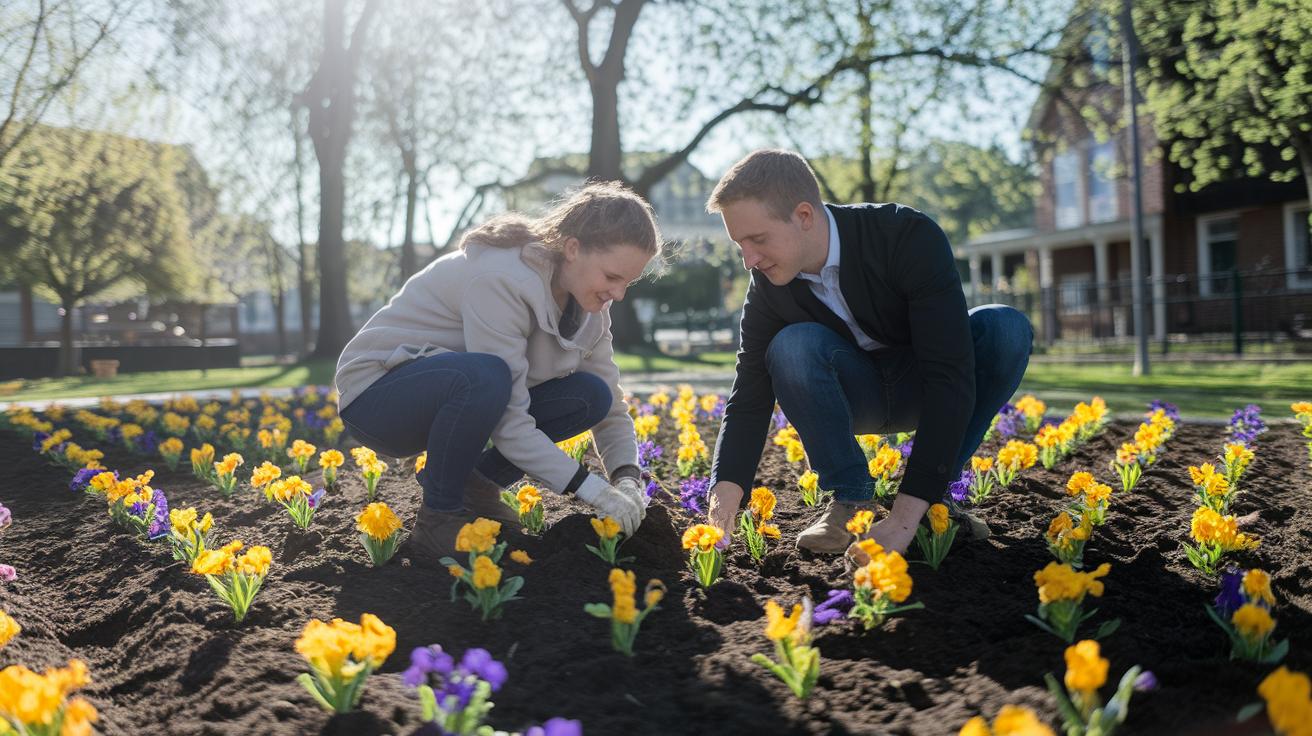
Community projects help citizens and local officials work side by side to improve everyday spaces. One great example is when residents teamed up to turn a small, outdated neighborhood park into a lively community garden after sharing ideas at a town hall meeting.
Town hall meetings give people a chance to express their worries and hopes directly to those in charge. Look at the Flint Water Crisis, residents and government officials joined forces to secure safe water and fight for justice. It’s a clear reminder that when communities unite with officials, solid changes happen.
Local leaders often work with nonprofits and elected representatives to create public-private partnerships. These partnerships do more than fix problems right away; they also build a sense of community ownership. Residents back their ideas with solid research, paving the way for smarter urban planning and better public services.
- Listening to everyone’s voice leads to smart, practical solutions.
- Teamwork with local groups builds trust and a shared sense of duty.
When citizens and officials join forces, they set the stage for ongoing and inclusive growth. For more details on these efforts, check out "How local government supports community events" at https://baretnews.com?p=28085.
Grassroots Activism Strategies and Volunteer Empowerment
Local activism starts with one person taking action, building toward projects that benefit the whole community. In many neighborhoods, you might see people going door-to-door, sharing ideas and rallying support for issues that matter to everyone. Programs like the one described here help neighbors connect on a personal level and spark real change. Residents come together with small donations, join training workshops, and take part in leadership courses to launch projects that truly count.
Volunteer programs depend on the hard work and passion of local activists. These community-driven strategies include door-to-door outreach to spread the word, local advocacy groups pushing for needed reforms, and volunteer initiatives, like Habitat AmeriCorps, that boost capacity and encourage positive change.
When people engage in these hands-on activities, they influence their surroundings in a way that can uplift an entire community. It is a powerful reminder that change often begins right at home. Volunteers not only learn useful skills but also build confidence over time, eventually stepping into leadership roles that inspire even more community participation. Through these collective efforts, local activism grows into a lively force that tackles everyday challenges while strengthening the bond among neighbors.
Digital Outreach: Online Engagement Platforms and Campaigns

Digital outreach is changing how everyday folks connect with decision-makers and share their ideas. It creates a welcoming online space where residents can dive into conversations that truly matter. Tools like Rocket.Chat let citizens chat securely with local officials, offering a private way to discuss local issues. And virtual town halls give people the chance to ask questions and provide feedback right from their homes, making sure no one is left unheard.
Social media campaigns focusing on voter education spread important facts quickly and clearly. These platforms can be tailored to fit different community needs. For example, using simple graphics and brief videos helps explain voting rights and local topics in an easy-to-understand way. For more ideas on connecting with diverse audiences, check out Tips for engaging diverse community audiences.
Interactive mapping of community assets also plays a key role. It shows exactly where public resources are available, adding a layer of transparency that benefits everyone. These digital tools equip local governments with real-time insights, allowing them to adjust policies to meet pressing community needs. Every online conversation builds trust and paves the way for new actions. By using these engagement platforms, communities can share experiences, suggest solutions, and work together to shape their future. Digital outreach is a secure and flexible tool for ensuring that all voices contribute to a more inclusive civic dialogue.
Case Studies: Successful Civic Engagement Initiatives in Action
In Porto Alegre, participatory budgeting now comes with clear performance metrics that track progress over time. Officials say that since adding these measures, complaints about street maintenance have dipped by about 15%. One council member noted, "New data shows that when residents guide budget priorities, our parks and community centers get better care."
In many U.S. cities, public debate forums have evolved by using digital feedback systems. These sessions cover topics from climate change to public transit and can collect as many as 300 written responses at a time. Organizers have seen unexpected perks, such as more people joining later meetings and sharper focus during discussions. One attendee said, "Digital input has refined the conversation, turning broad talk into targeted action." Tools like referendums provide a direct way for citizens to act on detailed policy proposals.
Interfaith dialogue sessions have grown beyond one-off meetings into ongoing projects that monitor long-term community impact. New evidence shows that these efforts have helped reduce conflicts stemming from religious misunderstandings. Many ongoing projects now include joint community service events, building trust one step at a time. One participant shared, "What began as simple chats has turned into lasting collaborations that bring people together."
Measuring Impact: Tools and Metrics for Civic Engagement Initiatives

Measuring the success of civic engagement work calls for practical methods that capture real shifts in community interaction. Simple tools can help us see how our community truly feels about local events and leaders.
Surveys taken before and after events offer clear snapshots of changing attitudes. For example, one participant noted, "I feel more connected to our local leaders now than ever before." This feedback shows just how powerful these surveys can be.
And then there are dashboards that track attendance and participation at town halls, community forums, and other public meetings. These numbers give officials a straightforward way to see if events are reaching the people they intend to touch.
Listening to community voices is vital too. By collecting comments and stories during discussions, organizers learn which parts of their strategy work well and where there’s room to improve.
- Pre- and post-engagement trust surveys
- Dashboards tracking attendance and participation rates
- Qualitative feedback loops from community dialogues
Gathering all this data not only demonstrates the return on investment but also lays the groundwork for ongoing improvements in civic progress.
Best Practices: Designing and Sustaining Civic Engagement Initiatives
Start with a clear agenda. When everyone understands the purpose, meetings become more productive and ideas naturally reflect what the community needs. For example, using a simple checklist before a meeting helped guide discussions and keep things on track.
Next, think about mixing funding sources and building partnerships across different groups. Regular check-ins and surveys keep the conversation going. Hosting community events opens a door for real dialogue, letting people share ideas and take responsibility. And by running leadership workshops, you not only teach useful skills but also build a group of future community leaders who feel empowered to take charge.
- Begin with a clear agenda and set defined goals from the start.
- Plan funding strategies using public, private, and nonprofit resources.
- Create chances for residents to lead through workshops and training sessions.
- Keep up engagement with regular follow-up meetings and feedback surveys.
Clear communication and a flexible plan help small efforts turn into lasting, community-led projects. After a leadership workshop, one local coordinator said that sticking to a detailed agenda and having a follow-up check-in made it easier to fine-tune plans together. This steady conversation keeps the projects in line with community goals while adapting to new needs.
Final Words
In the action, we explored how active tactics like participatory budgeting, town hall meetings, and digital platforms drive community discussions. We saw how case studies and practical tools help measure results and shape future plans.
The article highlighted how civic engagement initiatives empower citizens to take part in shaping policies and building trust. Thanks to these efforts, communities are better equipped to tackle challenges and drive positive change.
FAQ
Q: What are civic engagement initiatives examples and civic engagement examples?
A: Civic engagement initiatives include projects like participatory budgeting, town hall forums, digital outreach campaigns, and grassroots volunteer programs that empower citizens to actively improve local public processes and community conditions.
Q: What are civic engagement initiatives for students and civic engagement examples for students?
A: Civic engagement initiatives for students involve activities such as organizing voter registration drives, leading community service projects, hosting school forums, and running awareness campaigns that build leadership skills and community responsibility.
Q: What is a civic engagement program?
A: A civic engagement program design encourages active community participation in shaping policies and public services, ranging from local town hall meetings and digital outreach to structured budgeting and volunteer efforts.
Q: Why is civic engagement important?
A: Civic engagement is important because it strengthens community ties, increases transparency, fosters trust between citizens and government, and supports informed public decisions through active participation in civic activities.
Q: What are the main types of civic engagement and civic actions?
A: The main types of civic engagement include political participation, community service, advocacy, and volunteerism. Each type allows citizens to influence public decisions, improve local areas, and support social causes through direct participation.
Q: What is a civic engagement synonym?
A: A civic engagement synonym is community involvement, which reflects the active participation of individuals working together to shape public policies, support local initiatives, and elevate overall community well-being.
Q: What does a civic engagement initiatives pdf typically include?
A: A civic engagement initiatives pdf typically includes examples, strategies, case studies, and metrics that outline how to design, implement, and measure the success of programs and projects promoting active citizen participation.

