
Ever wonder if your ideas could make your neighborhood a better place? Getting involved locally not only builds great bonds among neighbors but also improves daily life for everyone. When you join community events, attend meetings, or even just share your thoughts with local leaders, you help create an atmosphere of trust and teamwork.
Being active in your community tackles local challenges head on and brings people closer together. It’s like every little effort adds up to a safer, healthier, and more connected area where everyone feels at home.
How to Get Started with Local Civic Engagement
Civic engagement is when people work together to discuss issues in their community and plan better ways of living. It’s a chance to meet neighbors, build connections, and take action to improve your surroundings. For a simple look at what civic engagement means, check out What is Civic Engagement. When you join events like city council meetings or local volunteer efforts, you help create a climate of trust, empathy, and community pride.
Getting involved doesn’t just mean tackling today’s problems, it sets the stage for a lasting neighborhood spirit. Stepping into volunteer initiatives or local advisory panels not only meets immediate needs but also builds the foundation for future efforts that make your area safer, healthier, and livelier.
- Identify local issues – Think about what matters most in your area, whether it’s adding more green spaces or making streets safer. For instance, in one town, residents pushed for a community garden when they noticed that green areas were hard to find.
- Register for volunteer programs – Pick programs that match your interests, like lending a hand at food banks or community centers. A local shelter, for example, refreshed its operations thanks to volunteers who brought new ideas and energy.
- Attend town hall meetings – Listen to what local leaders and neighbors are discussing to understand community concerns firsthand. At one town hall, a resident’s worry about traffic safety led to quick changes in neighborhood planning.
- Explore community involvement activities – Join events like cleanup days, local fairs, or festivals that bring neighbors together. One local fair even became a hotspot for civic participation, turning small actions into a bigger impact.
- Sign up for citizen engagement efforts – Consider joining advisory boards or online discussion groups that help shape decisions. Starting with a simple step, like registering for an advisory group online, can show you how little actions can lead to community-wide change.
Each step you take builds momentum and draws more neighbors into working together. Soon, you’ll see how every small effort adds up to a stronger, more vibrant community.
Essential Strategies for Effective Local Government Outreach and Civic Participation

Local governments are re-imagining how they serve communities by finding smarter ways to connect and work together. They’re boosting digital reach to bring important services to more folks, sometimes turning public spaces into essential hubs. This not only makes services easier to access but also sparks more community involvement, especially when times are tough. For example, one city enhanced its emergency response by upgrading its broadband network, turning delays into minutes and speeding up decision-making.
Building better digital connectivity means widening broadband availability and boosting online services so residents can easily reach government portals and resources. Many municipal offices team up with local nonprofits to drive these improvements. One partnership highlighted in the Building Partnerships for Community Events feature showed how working together can help more residents join in local decisions.
Another smart approach is breaking down communication barriers. Many local agencies are moving to cloud-based systems that gather data in one spot, making it easier to track permit volumes and service responses. Imagine officials watching real-time updates on a road repair request and quickly adjusting their actions based on clear data. This open, transparent way of working builds trust and shows people the real impact of their input.
Finally, developing a digitally savvy workforce paired with multilingual public websites goes a long way toward boosting engagement. Training government employees in modern digital tools empowers them to help a wider range of residents, including non-English speakers who need accessible services. All these measures come together to create a strong framework that not only streamlines operations but also deepens the bond between government and the community.
Finding Local Civic Engagement Opportunities in Your Community
Our communities are full of ways to get involved. Colleges, universities, and local schools often run volunteer projects that help neighborhoods thrive. You might find events where students and teachers tackle projects that make a difference in your area. And in town halls or advisory panels, residents share ideas and solve problems together.
Local governments are not the only option. Many nonprofits host events where community members come together for neighborhood improvements. For example, volunteer centers list projects like park clean-ups or mentoring programs so you can easily find something that fits your interests.
Museums and galleries also offer a common ground for civic engagement. They host public forums and fairs that mix art with community talks, creating a unique way to build neighborhood pride. Even food rescue programs unite residents to fight waste and boost local food banks.
There is something for everyone. Check out community bulletin boards, school newsletters, or social media pages for the latest volunteer events. It’s a simple way to discover and join projects that match your schedule and passion.
Success Stories Demonstrating the Impact of Local Civic Engagement
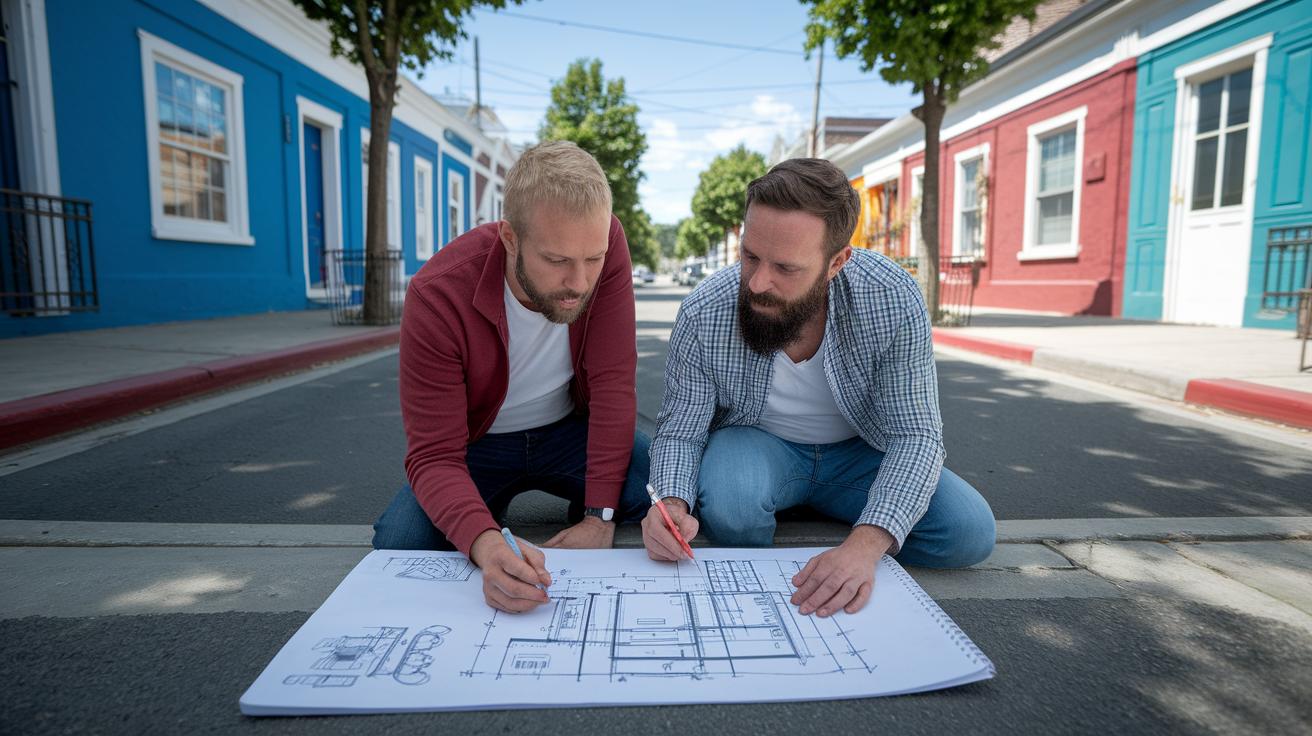
These success stories show how everyday citizens can truly shape their communities. By looking at real examples, we see how local residents and officials work side by side to make neighborhoods better and more safe. Their stories remind us that when everyone’s voice is heard, community projects and policies can truly reflect what people need and dream about. In doing so, these efforts help spark leadership and create communities that are both welcoming and responsive.
Case Study: Street Revitalization via Citizen Input
In one busy neighborhood, locals worked together with city leaders to reimagine their streets. They turned quiet, underused roads into bustling pedestrian areas with outdoor dining spots and safe lanes for biking and walking. Their ideas not only improved access but also changed local policies by keeping public input in the heart of planning. Through a series of neighborhood campaigns, residents made sure that every voice was counted. This effort highlights the real power of working together to transform urban spaces.
Case Study: Community Health Sites Coordination
In another part of the city, a strong team of volunteers and local agencies quickly set up community health sites during critical times. Volunteers stepped in to support testing and vaccination efforts and helped keep communication clear between the public and health officials. This mix of hands-on community work and emerging local leaders made sure that essential medical services reached everyone in need. It shows that with good planning and active citizen involvement, communities can boost public health and overall safety in a very real way.
Local Civic Engagement Fuels Community Spirit
Success in community projects starts with smart, long-term planning. When groups plan ahead, they can turn one-off efforts into ongoing civic education that empowers residents. For example, a town might hold regular workshops that explain how local government works, making sure everyone stays informed.
Strong volunteer management builds trust and sparks enthusiasm. Local volunteer programs bring neighbors together who care about making a change. In one neighborhood, regular service days helped turn small acts into a shared sense of pride and purpose.
Learning partnerships between schools and community projects make a real difference too. They give students and locals the chance to learn together, mixing classroom ideas with everyday actions and boosting community pride.
When local businesses step in through corporate social responsibility, the impact grows even more. Their support can jump-start community events that benefit everyone, as skilled staff and passionate volunteers work side by side on practical solutions.
Finally, inviting citizens to join local boards and committees creates lasting support. These coordinated membership efforts turn individual contributions into a strong, united force that keeps the community moving forward.
Final Words
In the action, our guide broke down how residents can boost local civic engagement, from spotting community issues to joining town halls and volunteer programs. We explored how government strategies and citizen efforts blend to shape supportive neighborhoods.
The article also spotlighted real-life examples and best practices for long-term community involvement. Positive changes are achievable when individuals join forces. Keep exploring these community initiatives to make a meaningful impact and build a stronger, connected community.
FAQ
What are civic engagement examples?
The civic engagement examples show how individuals volunteer at community events, join local groups, or attend town meetings, illustrating everyday actions that drive change and foster unity.
Why is civic engagement important for communities and youth?
The civic engagement importance lies in its ability to build community trust, empower youth to influence decisions, and create a sense of shared purpose that leads to better local outcomes.
What are the different types of civic engagement?
The civic engagement types include volunteering, community organizing, and participating in public decision-making processes like town halls and local council sessions that help shape community priorities.
Why is civic engagement declining?
The civic engagement decline is linked to busy lifestyles, diminished trust in institutions, and fewer accessible opportunities that make it harder for residents to participate and feel connected.
What is a synonym for civic engagement?
The civic engagement synonym is community involvement, which emphasizes the active participation of individuals in local projects and decision-making initiatives.
How can the phrase “civic engagement” be used in a sentence?
The civic engagement in a sentence might read, “Residents demonstrate civic engagement by attending local meetings and volunteering for neighborhood projects.”
What is an example of civic engagement in action?
The example of civic engagement includes community members collaborating to clean up public spaces, organize local events, or contribute ideas during public forums, showing active participation in local issues.
What does local community engagement mean?
The local community engagement means residents working together to address neighborhood challenges, improve public services, and create a more connected and supportive environment.
How can local government foster civic engagement?
The local government can foster civic engagement by providing clear communication channels, hosting public forums, and creating inclusive digital platforms that encourage residents to share ideas and participate actively.
What is the meaning of civic engagement?
The civic engagement meaning is that individuals and groups work together to address community challenges, participate in decision-making, and take proactive steps to improve the quality of life in their neighborhoods.

