
Have you ever wondered if artificial intelligence could be the secret behind today’s breakthroughs? AI works a lot like the human mind, tackling everyday challenges and automating routine tasks.
It helps with everything from booking a taxi to streaming our favorite shows. In doing so, it turns heaps of data into smart, fast actions that feel personalized and efficient.
Businesses are also taking advantage of AI to reduce manual work and make decisions more quickly. In this article, we dive into how AI is fueling progress across different industries and sparking new creative ideas.
How Artificial Intelligence Applications Drive Cross-Industry Innovation
Artificial Intelligence works by mimicking how we think, helping solve problems and automate tasks in many different fields. Whether it's a taxi-booking app, digital assistants like Siri and Alexa, or streaming platforms like Netflix and Spotify, AI and machine learning crunch huge amounts of data in no time. This means services get faster and more tailored to what you need, making everyday tasks smoother and businesses more agile.
Across various industries, the magic of AI cuts back on tedious manual tasks and guides smarter decisions. It digs into historical data and picks up new trends, offering solutions that once seemed out of reach. The result? Better customer experiences and operations that keep getting sharper, allowing companies to stay one step ahead.
Here are some examples of what AI can do:
- Automated customer support
- Personalized marketing
- Predictive maintenance
- Image and speech recognition
- Autonomous systems
- Smart home devices
- Fraud detection
Recent trends tell us that over 65% of global companies plan to ramp up their investment in AI in the coming year. Businesses are noticing that stepping into AI not only cuts costs but also speeds up response times and reduces errors. Whether in retail, transportation, or another sector, the benefits are clear: more personalized service, improved risk management, and smoother workflows. In short, AI is sparking innovation by making customer interactions smarter and solving problems more efficiently, proving itself as a key driver in shaping the future of many industries.
Artificial Intelligence Applications in Healthcare Digital Diagnostics

Artificial intelligence is shaking up healthcare by powering digital diagnostic tools that genuinely make a difference in patient care. With these tech advances, medical teams can protect patient records better and cut down on administrative hassle, all while offering clearer, more data-driven diagnostic insights.
AI-Enabled Imaging Analysis
AI-driven imaging helps pathologists take a closer look at tissue samples, spotting even the faintest hints of disease. This smart technology minimizes the need for lengthy manual reviews, paving the way for faster and more accurate diagnoses.
Intelligent Workflow Automation
But AI isn’t just about imaging. It also plays a big role in securing patient records and automating everyday administrative tasks. This means doctors and nurses can spend less time on paperwork and more on what truly matters, care. The result is smoother operations and a more efficient healthcare environment.
Predictive Health Insights
Digital assistants and chatbots have become key players in healthcare, handling tasks from patient triage to appointment scheduling. They learn from every interaction to predict what patients might need next, ensuring timely responses and boosting overall satisfaction.
By combining smart imaging, task automation, and predictive tools, AI is helping healthcare providers deliver care that’s not only faster and more precise but also securely managed. This integrated approach is setting the stage for a safer, more efficient digital future in healthcare.
Artificial Intelligence Applications in Finance Smart Analytics
In finance today, AI is changing how decisions are made with smart and quick analytics. These systems work behind many strategies, from fast-paced trading to careful risk control. They take on tasks that once took hours, letting banks and firms quickly read large amounts of market data while also cutting down on mistakes.
| Use Case | AI Technique | Benefits |
|---|---|---|
| Algorithmic Trading | Real-time data scanning | Instant trades and better market reactions |
| Portfolio Advisors | Historical performance analysis | Better investment advice |
| Fraud Detection | Transaction pattern monitoring | Quick spotting of unusual activity and safer transactions |
| Automated Reporting | AI-driven data processing | Saves time and provides clear insights |
By using these AI tools, financial firms can cut down on long hours spent on manual data work and improve how they manage risk. Quick, automated insights help them react faster when markets shift, and these smart systems also keep an eye out for fraud. In short, AI makes operations smoother, saving time while boosting security.
Artificial Intelligence Applications in Retail Innovation Technologies

Retailers are now using AI to modernize how they connect with customers and run their businesses. These systems study shopper behavior and adjust what you see, like content and interface settings, so that every interaction feels just right. This approach gives online stores a clear advantage in a competitive market.
Some standout features include:
- Personalized recommendations
- Dynamic pricing
- Chatbots
- Inventory optimization
- Demand forecasting
By using these AI tools, retailers can boost both their sales and efficiency. Algorithms dig into customer data to suggest items you might really like, which can drive more purchases. Dynamic pricing shifts costs based on current demand and stock levels to keep businesses competitive while maximizing revenue. Chatbots handle common questions quickly, ensuring you get timely support. Inventory optimization makes sure there’s just enough stock without overshooting, cutting down on waste and extra costs. And demand forecasting looks back at past trends to better plan for the future. All these innovations work together to improve the shopping experience and help businesses make faster, smarter decisions.
Artificial Intelligence Applications in Marketing Automated Strategies
AI is making a big splash in marketing by creating messages that really speak to people. Companies are using smart tools to send out personalized content, no wonder 88% of consumers say they like it when things feel tailored just for them. This technology not only fine-tunes the way messages reach you but also helps brands respond quickly in a fast-paced market.
Chatbots and virtual agents are key players in this new approach. They chat in real time, much like a friendly conversation, answering questions and guiding customers smoothly through the buying process. Businesses enjoy handling inquiries more efficiently and keeping potential buyers engaged with smart, human-like support.
AI is also busy listening to what people say on social media. By tracking opinions and feelings, it helps shape ad strategies that really connect. With these ongoing insights, marketers can tweak their campaigns on the fly, ensuring that the message stays fresh and hits just the right note with everyone.
Artificial Intelligence Applications in Transportation and Logistics Optimization Systems
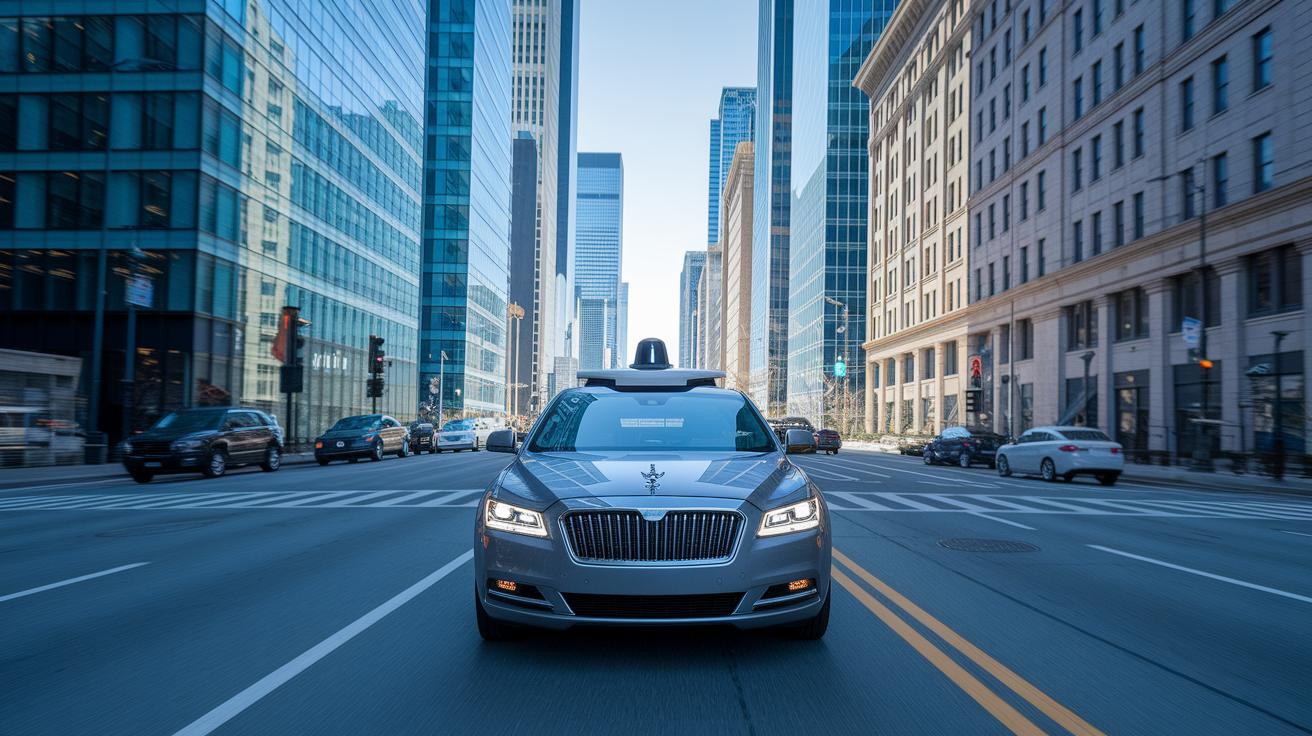
AI is changing how we travel by keeping routes and schedules updated every moment. Apps like Google Maps and Waze gather huge amounts of data to show you the fastest way to your destination. For example, these apps process vast streams of data each second to help millions of drivers get where they need to go safely.
Autonomous drones and self-driving vehicles are giving delivery services a real boost. Big retailers are using AI-powered drones and smart vehicles that go beyond basic features like adaptive cruise control to operate fully on their own. This new technology not only speeds up the delivery of goods but also makes last-mile deliveries more precise and dependable.
Efficiency and safety are both on the rise thanks to these breakthroughs. Real-time logistics systems can quickly adjust to sudden changes in traffic and road conditions, making every trip a bit smoother. As tech continues to improve, we’re seeing journeys that are both safer and more reliable, whether it’s for people or for transporting products.
Artificial Intelligence Applications in Smart Home and IoT Systems
Everyday devices are getting smarter thanks to AI built right in. With edge processing, these gadgets can look at data on the spot and learn from how you use them. So, they work seamlessly without needing someone to always step in, making your daily routine a little smoother.
Take a look at smart homes. AI helps create cozy living spaces where smart thermostats adjust the temperature when you're around, and lighting or security systems react as soon as sensors pick up a cue. This means you get energy savings and extra safety without the hassle of manual tweaks.
And it’s not just about homes. In farming, sensors check soil quality and weather in real time, letting farmers adjust watering or fertilizing more precisely. By handling data right where it's gathered, these tools help manage crops better and use resources more efficiently, sparking fresh ideas in agriculture beyond city limits.
Artificial Intelligence Applications: Future Trends and Ethical Considerations

More than 65% of companies plan to boost their AI spending next fiscal year. This surge is expected to fuel breakthroughs in areas like robotics, creative arts, and advanced analytics. Businesses are using data to build faster, smarter systems that quickly process information and aid decision-making.
Investors and industry insiders are watching these trends closely. They believe that increased funding now will speed up the launch of next-generation AI solutions, opening doors to fresh products and services across different sectors.
At the same time, ethical issues continue to spark debates in the tech world. Take facial recognition, for instance. Although it offers exciting possibilities, there are real concerns about bias. Experts are calling for AI models that explain their decisions clearly and follow strict rules.
Companies are now working hard to strike a balance between innovation and ethics. By creating fair and transparent practices, they hope to avoid discrimination and maintain public trust. This careful approach is shaping the future of AI as technology continues to evolve responsibly.
Final Words
In the action, the article showed how artificial intelligence applications boost industries from healthcare to finance and retail. We covered AI tools that refine diagnostic imaging, guide smart trade decisions, and improve customer experiences through dynamic strategies.
It revealed how investments and technology trends create smarter systems in transportation, home automation, and marketing. The growth of these technologies offers new ways to shape business and civic progress, leaving us with a sense of optimism for the future.
FAQ
What are the applications of artificial intelligence?
The applications of artificial intelligence span sectors such as healthcare, finance, retail, transportation, and marketing. AI automates tasks, enhances decision-making, and creates personalized user experiences.
What is the most used AI application?
The most used AI application is often seen in digital assistants like Siri and Alexa. These platforms analyze data to offer voice control, smart scheduling, and personalized responses.
What are the 4 types of AI?
The four types of AI are reactive machines, limited memory systems, theory of mind models, and self-aware systems. Each type represents a different level of complexity in mimicking human thinking.
What are 5 uses of AI in daily life?
Five uses of AI in daily life include virtual assistants, automated customer support, recommendation engines, personalized marketing, and smart home devices that learn from user behaviors.
Are there free AI apps and resources available?
Free AI apps and accessible PDFs provide users with practical tools and information. These resources allow individuals to explore AI applications and learn about the technology without cost.

