
Imagine a machine that sees the world much like we do. Can it really catch hidden flaws or unearth new opportunities? Computer vision is not a far-off fantasy. In fact, it learns from each image, kind of like a child piecing together a puzzle.
From hospitals to factories, many industries are using this technology to quickly identify issues and gain clear insights. This article explains how these smart systems transform simple pictures into powerful tools that change the way we understand the world around us.
Overview of Computer Vision Applications
Computer vision has been evolving since the 1970s to help machines make sense of images and videos. These systems learn much like a toddler who figures things out through trial and error. In simple terms, they use neural networks and deep learning to pick patterns and recognize objects. They train on vast collections of pre-labeled images and then deliver real-time insights by processing live camera feeds. Think of it like this: just as Marie Curie once unknowingly carried radioactive materials that shaped her future, these systems start with simple lessons that build into transformative abilities.
This technology is making waves across numerous fields. In healthcare, it aids doctors in reading X-rays and MRI scans with better accuracy. In factories, it works behind the scenes to inspect products and reduce mistakes on the assembly line. Retailers are tapping into its power to track inventory and rearrange store layouts based on how customers move. Meanwhile, advanced neural networks simplify the creation and rollout of new visual tools, especially for time-critical tasks like autonomous driving and security monitoring. As these algorithms keep getting smarter, we’re seeing a growing impact of computer vision in everyday life and various industries around the globe.
Manufacturing and Industrial Inspection with Computer Vision Applications
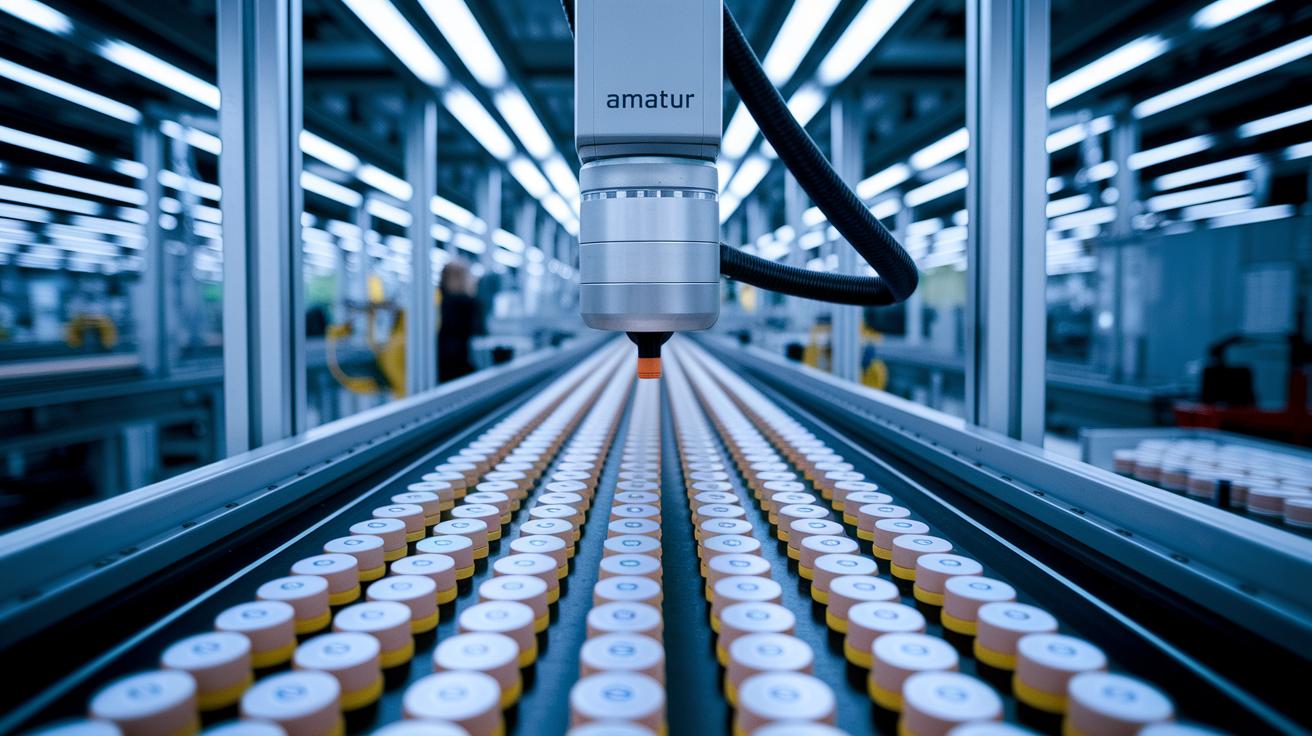
Manufacturing plants are turning to computer vision systems to upgrade how they inspect products. These systems use video analytics to keep an eye on assembly lines as they work. They capture detailed video and spot flaws that might be missed by a human. With quality checks that confirm labels are properly placed and parts meet exact dimensions, production becomes both more reliable and faster.
Automated inspection tools powered by deep learning can review thousands of items every minute, far outpacing manual efforts. Predictive maintenance features also play a role by spotting signs like minor cracks or rust. These early warnings help teams fix issues before they become serious, reducing downtime and boosting productivity. Essentially, computer vision works as a tireless guard, ensuring every product meets strict standards with impressive speed and consistency.
- Automated defect detection on conveyor belts
- Label and barcode verification
- Real-time assembly line monitoring
- Predictive maintenance alerts based on visual cues
- Robot-guided pick-and-place accuracy checks
Computer Vision Applications in Healthcare and Medical Imaging
Computer vision is changing the way doctors examine X-rays, MRIs, and CT scans. With deep learning at its core, these systems pick up details that often go unseen by the human eye. They work by segmenting images to highlight even the tiniest differences in tissues and organs. For example, a system can flag a small irregularity on an X-ray, which may signal the very early stages of disease.
Cancer Screening Tools
AI-powered cancer screening tools use advanced models to find malignant cells hidden in complex imaging data. Acting as a vital second opinion, these tools catch potential tumors that might slip past initial checks. Some AI models have even boosted early detection by accurately highlighting unusual cell clusters, giving doctors a critical head start in treatment. This extra layer of support helps radiologists make faster, more reliable diagnoses, reducing the risk of mistakes.
Surgical Assistance Systems
In the operating room, real-time instrument tracking by computer vision is proving invaluable. Augmented overlays display key information right in the surgeon's view, guiding every precise move during surgery. For example, during complex procedures, instruments are continuously monitored to ensure each motion aligns with the surgical plan. This technology acts like a vigilant partner, enhancing a surgeon’s capabilities and ultimately improving patient outcomes while keeping surprises at bay.
Retail Analytics and Consumer Insights via Computer Vision Applications
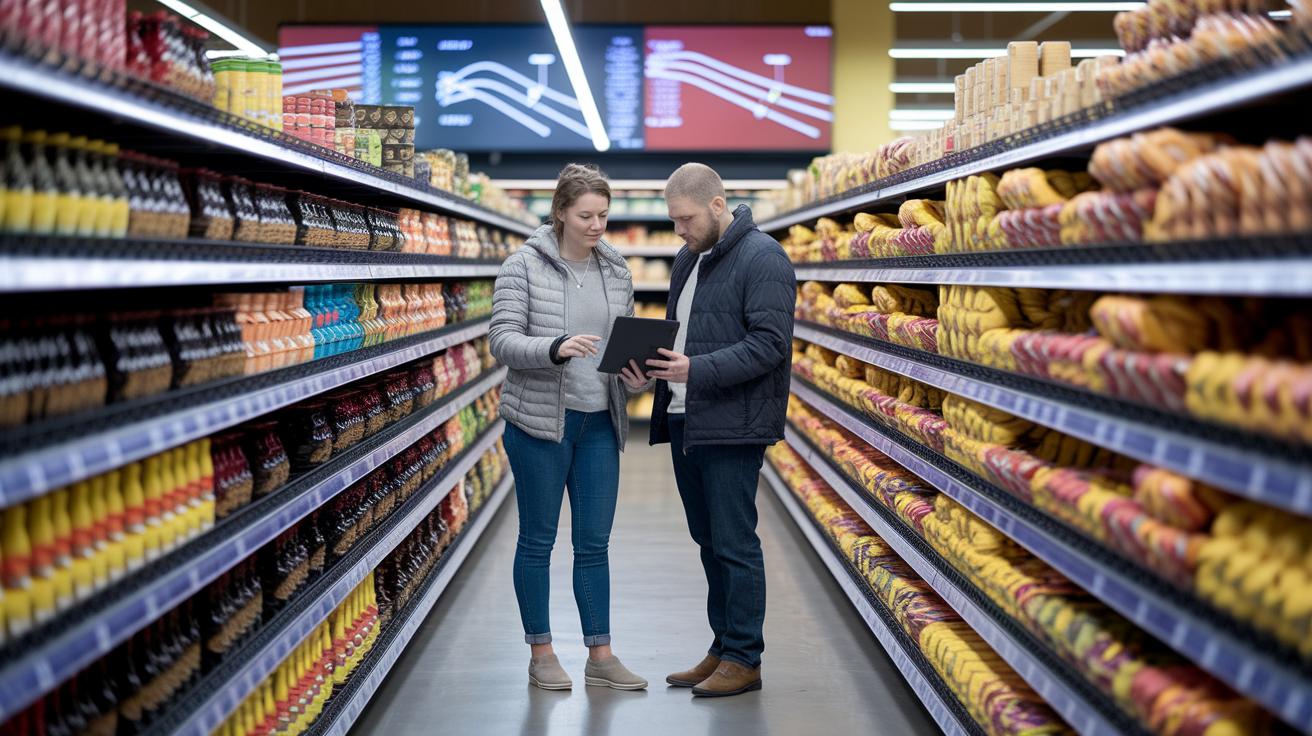
Computer vision is changing the retail scene by giving stores a new way to understand their shoppers. Cameras placed around the store capture what customers do, from the number of visitors to the paths they take. For example, heat maps made from these videos show where shoppers spend time, helping stores set up layouts that guide customers naturally and avoid crowding during busy hours.
Another handy tool is shelf monitoring. With these cameras, stores can quickly see when an item is out-of-stock or not placed correctly. This prompt insight helps staff refill shelves fast, reducing the chance of missing a sale.
Mobile apps add another layer of ease to shopping. They support checkout-free experiences and loyalty programs using facial recognition. When a shopper walks in, the system instantly recognizes past purchases and interests, offering personalized promotions on the spot. Imagine passing by your favorite snack aisle and getting a tailored discount just for you.
By piecing together data from cameras and apps, retailers can boost their merchandising, cut down on empty shelves, and provide shoppers with a smoother and more enjoyable experience.
Autonomous Vehicles and Transportation Enabled by Computer Vision Applications
Car companies are turning to computer vision to enhance self-driving features and improve our transportation systems. They use a mix of multiple cameras and smart neural networks that process live video. This setup allows their systems to spot lanes, pedestrians, and other obstacles on the road. For instance, Tesla’s method of using only vision sensors shows how image processing helps cars understand their surroundings. These systems are always on the lookout, quickly parsing visual details so vehicles can adjust their paths safely when road conditions change.
Self-Driving Vision Stacks
Self-driving cars depend on vision stacks to handle essential tasks. The lane detection tools work fast to outline the road’s edges, keeping cars safely centered and lowering the risk of accidents. At the same time, pedestrian recognition keeps a constant watch on sidewalks and crossings, alerting the car if someone might be in danger. Obstacle avoidance routines scan for any unexpected items in real time, giving the car a chance to react immediately. All these processes work together continuously, creating a safer and smoother driving experience.
Smart Traffic Management
Computer vision is also a big help when it comes to managing traffic. Cameras at intersections send live video feeds to adjust signal lights based on current conditions. Meanwhile, license plate reading technology makes tolling and parking enforcement automatic, reducing the need for human oversight. Smart parking systems even guide drivers straight to available spots. By combining these features, urban traffic networks become more efficient and safer for everyone on the road.
Agricultural and Environmental Monitoring with Computer Vision Applications
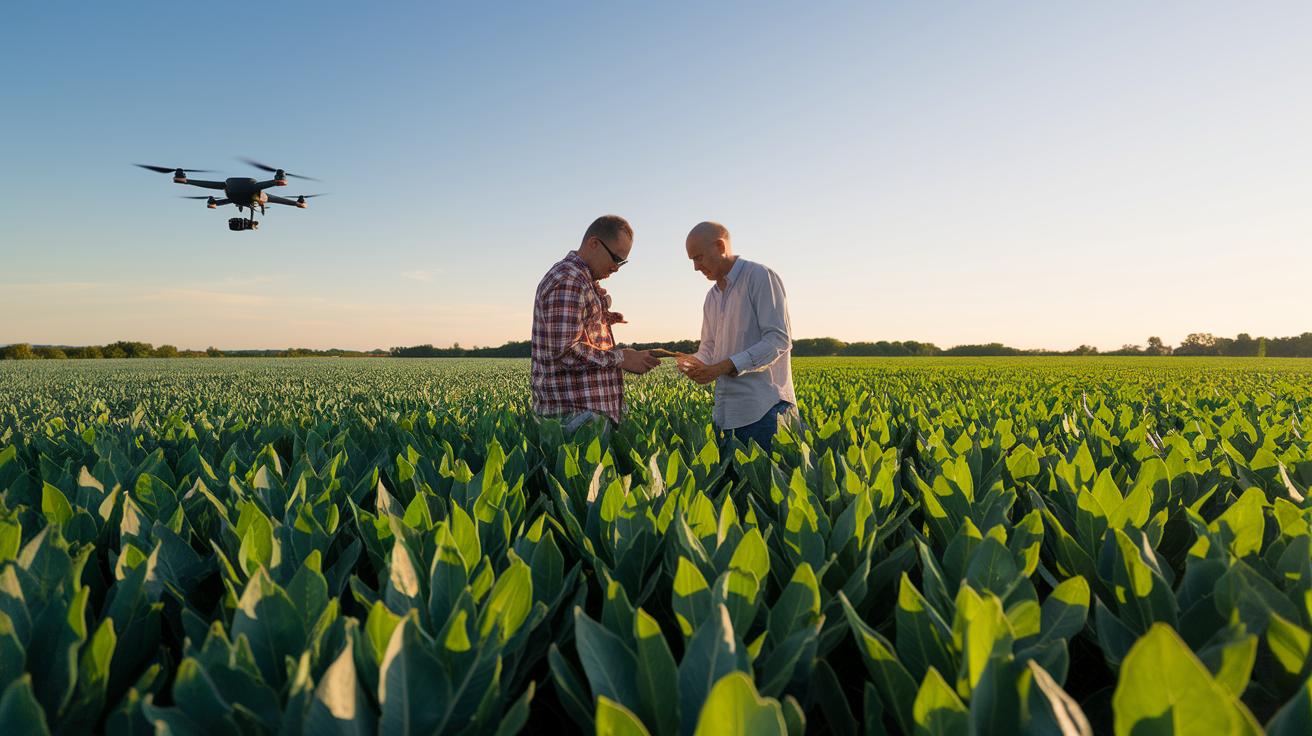
Farmers are now using drones and field cameras that help keep an eye on crop health. These smart tools check for signs like changing leaf colors, water issues, and pest problems. In simple terms, computer vision captures live images and uses deep learning to spot early disease signs and other unusual changes before they become big issues.
Precision Agriculture
Precision agriculture works like having a careful helper in the field. Advanced image processing techniques look for even the smallest changes in leaf color that might point to water stress or pests. And think about robotic weeders that zero in on unwanted plants, which means less manual work for farmers. Plus, the data gathered can even help predict crop yields, making every step of farming more efficient.
Environmental Conservation
These computer vision tools are also a big win for the environment. Drones can quickly detect fire hotspots by picking up unusual heat patterns, helping stop wildfires from spreading. They also catch early signs of oil leaks, tracking how spills expand so quick action can be taken. On top of that, real-time tracking of animals gives a clear picture of wildlife movement, ensuring that conservation teams can respond to environmental changes faster.
Key Technologies Powering Computer Vision Applications
At the core of computer vision are convolutional neural network models that run on GPUs. These models learn from vast collections of labeled images, much like a child learning to recognize everyday objects by seeing them repeatedly. They start with the basics of shapes and eventually learn to detect complex patterns used in tasks like quality control.
GPU acceleration cuts down on training time, letting developers build and test models quickly. Open-source frameworks serve as ready-made tools that speed up the prototyping process. Developers also use techniques like quantization and pruning to slim down these models, which makes them fast enough for real-time applications. Edge computing even allows these models to run directly on devices, reducing delays in crucial tasks such as live surveillance or autonomous inspections. Meanwhile, cloud integration brings the extra processing power needed for large-scale analysis and ongoing improvements.
Think back to early computer vision systems that took minutes to process a single image. Today, a mix of advanced hardware and smart software, from GPU servers to compact edge devices, creates a powerful stack that constantly pushes the limits of image processing.
| Framework | Primary Use |
|---|---|
| TensorFlow | Large-scale training and deployment |
| PyTorch | Research prototyping and dynamic models |
| OpenCV | Real-time image processing |
Challenges and Future Developments in Computer Vision Applications
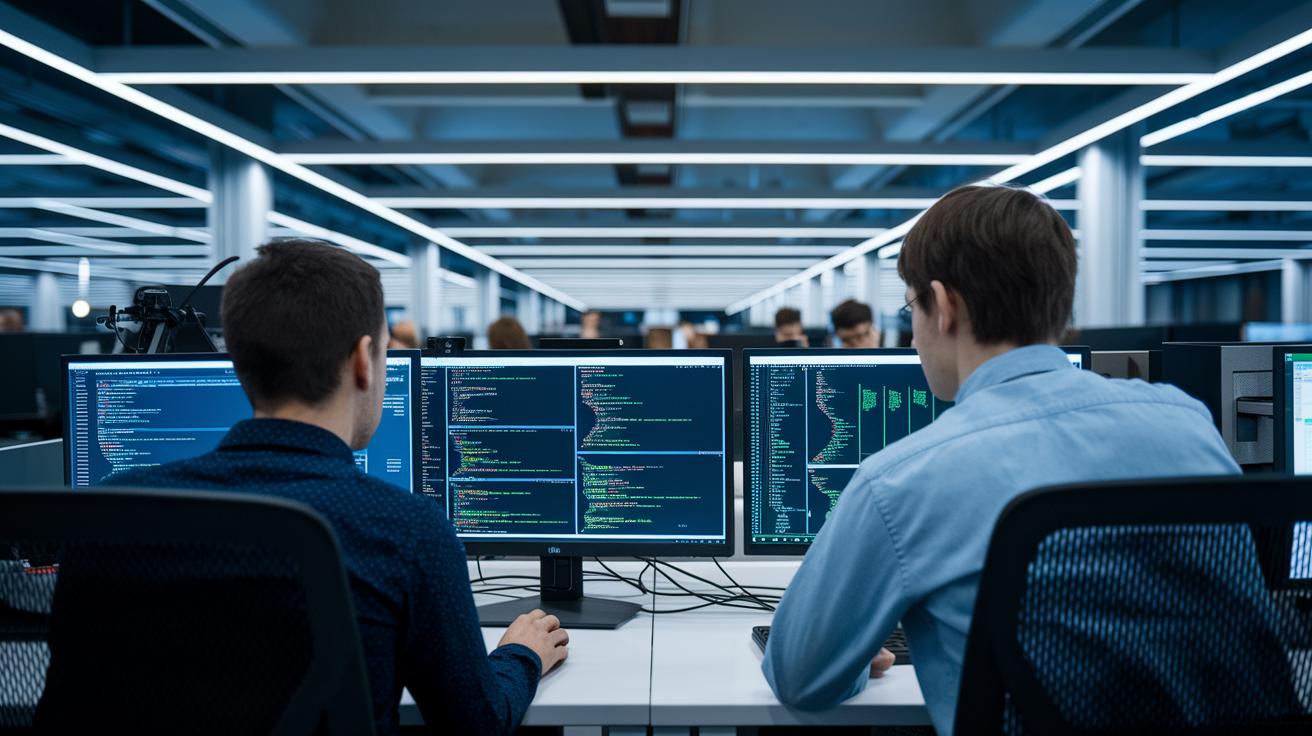
Computer vision depends on large, well-labeled datasets and steady annotation. Systems improve as they learn from millions of examples, just like a simple image recognition tool that gets smarter by processing thousands of labeled pictures over time. It’s a process that doesn’t just happen overnight.
There’s also a big challenge in following rules like GDPR and HIPAA. These laws set limits on how data can be used, especially in fields like surveillance and healthcare. Companies must balance their drive for innovation with legal rules, and concerns about bias and privacy can slow down progress.
But there’s hope on the horizon. Energy-efficient on-device inference is on the rise, letting important tasks run directly on local devices without delays. Federated learning offers a smart way to protect data privacy by keeping sensitive information on individual devices instead of sending it to a central server. And with multimodal sensor fusion, which mixes vision with audio or LiDAR signals, we could soon see even more reliable insights.
These challenges, data annotation, strict regulations, and optimizing lightweight models, are all part of the evolving story of computer vision. The future looks promising as researchers and developers push the boundaries of what’s possible.
Final Words
In the action, computer vision applications are reshaping industries with real-time insights. The article walked through how these systems are used in manufacturing, healthcare, retail, transportation, and agriculture. It explained key processes like deep learning integration and neural network models that drive image analysis and object recognition.
These advancements are improving quality control, early diagnosis, and consumer experiences. The future looks bright as innovators refine these techniques, offering new ways to make smart decisions and keep us informed. Enjoy watching this exciting progress unfold.
FAQ
What is computer vision?
The computer vision field empowers machines to interpret images using neural networks and deep learning. It helps systems analyze visuals for tasks like object detection and real-time decision making.
How is computer vision used in everyday life?
The use of computer vision in everyday life means systems analyze images in settings such as security monitoring, retail shelf tracking, and self-driving cars to support smart, automated decisions.
Which example best illustrates computer vision in practice?
The best example of computer vision in practice is self-driving vehicles, where multiple cameras and neural networks detect lanes, pedestrians, and obstacles to enhance transportation safety.
What software is used for computer vision?
The software used for computer vision includes tools like TensorFlow, PyTorch, and OpenCV, which support tasks ranging from large-scale image training to real-time processing and image analysis.
What is the main purpose of computer vision?
The main purpose of computer vision is to enable machines to understand and interpret visual data, guiding decisions in areas such as healthcare, manufacturing, retail, and autonomous transportation.
How does computer vision contribute to artificial intelligence?
The contribution of computer vision to artificial intelligence involves training models on extensive image data so that systems can detect patterns, recognize objects, and automate decision-making processes.
How do computer vision applications benefit healthcare?
The benefit of computer vision in healthcare is shown through the analysis of X-rays, MRIs, and CT scans to detect anomalies, assist in cancer screenings, and support surgical procedures with real-time insights.
Where can I find detailed guides on computer vision applications in PDF format?
Detailed guides on computer vision applications are available in PDF documents online, offering in-depth explanations of techniques, industry examples, and case studies for further exploration.

