
Ever wonder how a tiny shift in what we buy can create big ripples in an industry? Market trends describe those small changes in our purchasing habits and how money moves around. Like ripples spreading in a pond, these subtle shifts can build into bigger patterns that companies watch closely.
They use real data instead of guesses to update their plans and improve what they offer. In short, understanding these trends gives businesses a clearer way forward. This guide breaks down market trends and shows how noticing these early signals can lead to a brighter future.
definition of market trends: Bright Outlook Ahead
Market trends are changes in what people buy, how they spend money, or even shifts in the overall economy. These changes act like clues that help companies decide on new products, new advertising ideas, and ways to stay ahead of competitors. Think of a market trend as a ripple in a pond, small shifts in spending can grow to affect an entire industry.
Many businesses now use real data instead of relying solely on gut feelings. This move toward data-focused decision making makes planning clearer and more reliable. It’s a lot like checking a weather forecast before planning your day outdoors, you know what to expect and how to prepare.
Trends also remind us that markets can be up and down. Regular changes often line up with the natural cycle of the economy. They are more than just figures on a graph; they tell a story about what customers need and what forces are shaping the economy. For example, a sudden spike in demand for eco-friendly products might show that more people are leaning toward sustainable living.
On the other hand, a slow and steady change in spending habits might hint at shifts in market stability. By studying these patterns, companies can tweak their strategies to meet customer expectations, ensuring they remain competitive even as the market evolves.
Types of Market Trends: From Intermediate Shifts to Secular Waves
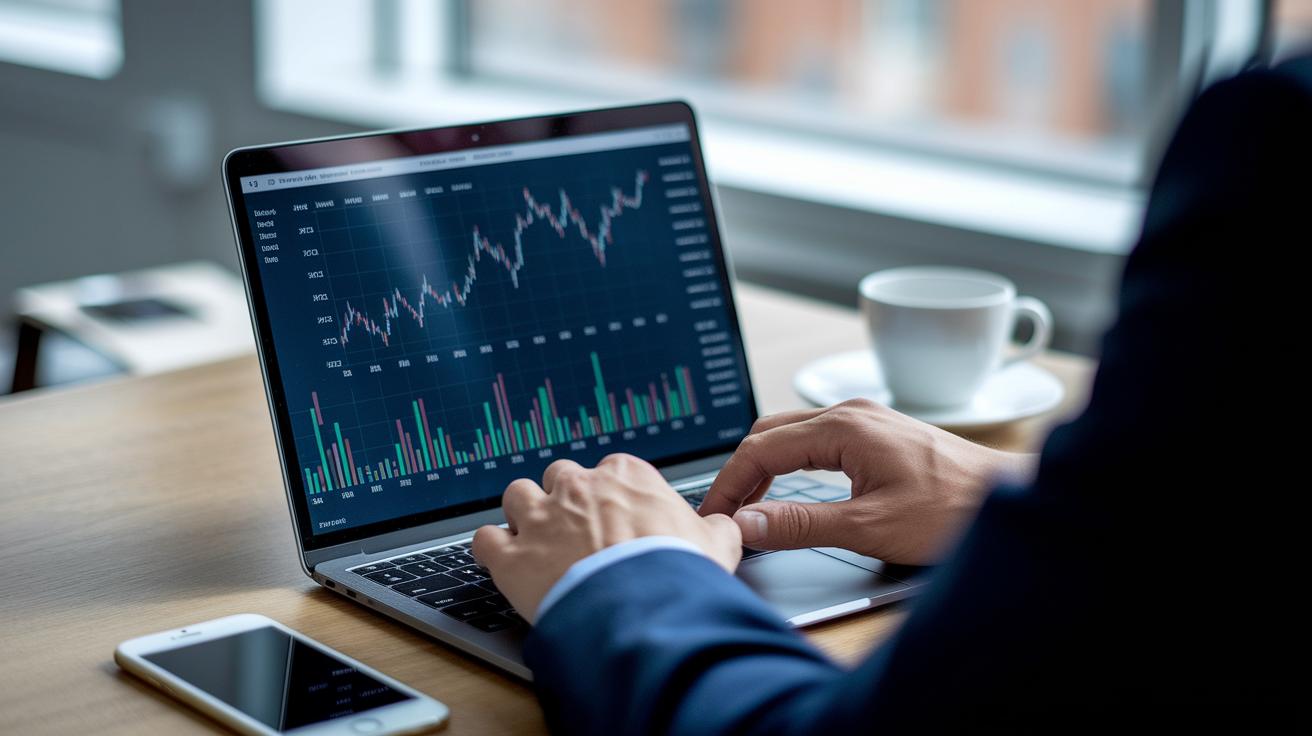
Market trends come in different lengths and have various causes. Some trends vanish quickly, while others mark lasting changes in how entire industries operate. By understanding these variations, businesses can plan better using solid data rather than relying on guesses.
Intermediate trends crop up fast. They typically last only a few weeks or months and are often sparked by seasonal changes or unexpected events. Even though they are short-lived, these trends offer useful hints for making quick, tactical decisions.
Then there are trends that stick around for about half a year to a full year. These longer shifts pave the way for steady planning and resource management, helping companies map out their strategies more reliably.
Lastly, secular trends bring deep, structural changes over a long period, often spanning one to three decades. These enduring trends signal major shifts in the economy or society that can completely transform market dynamics.
- Intermediate Trends: They last for weeks to months and arise from rapid, unpredictable influences like seasonal peaks or unique events.
- Long-Term Trends: Lasting between 26 and 52 weeks, these trends steer business planning and resource allocation by indicating stable market directions.
- Secular Trends: These are deep, long-lasting changes that persist for decades, fundamentally reshaping industries over time.
Key Drivers of Market Trends: Economic, Technological, Consumer Forces
Consumer mood is a big force behind immediate demand trends. People’s changing tastes, seen in online reviews and social media buzz, send clear hints that companies need to pay attention. For example, if interest in eco-friendly products suddenly grows, companies often shift their offerings in response.
Economic health also shapes market trends. Things like GDP growth, inflation, and government policies affect how much people are willing to spend. When the economy is strong, buying power increases and new, exciting products see higher demand. But when the economy tightens, companies may need to adjust their prices and features to match tighter budgets.
Technology is another major player. New breakthroughs like AI, blockchain, and augmented reality open up fresh market opportunities. These innovations not only create new kinds of products but also make it easier for companies to understand and predict consumer habits. Changes in regulations and real-time digital feedback add extra layers to how trends develop. All of these factors work together to guide market direction and help shape smart business choices.
| Driver | Impact |
|---|---|
| Consumer Preferences | Immediate changes in demand |
| Economic Conditions | Changes in spending power |
| Technological Advances | Unlocks new market opportunities |
Methods and Tools for Identifying Market Trends

Data Analytics Platforms
Companies lean on data analytics tools to handle huge amounts of numbers and details. These platforms dig through data to uncover trends and connections that can forecast market moves. For example, a store might see a jump in online orders when they show off a new product line, hinting at rising customer interest.
AI & Machine Learning Models
AI and machine learning speed up trend spotting by quickly scanning large pools of data. They catch small shifts in consumer behavior that might slip past human review, helping businesses forecast more accurately. Imagine a smart algorithm that picked up on a change in buying habits weeks before traditional checks, letting a company act fast.
Social Listening Services
Social listening tools keep an eye on sites like Instagram, Twitter, and Facebook to gauge real-time consumer feelings. By tracking social media chatter, brands can notice short-term trends and tweak their marketing plans almost right away. For instance, a sudden flurry of posts about a product feature could mean it’s time to bolster customer support.
Traditional Research & Surveys
Methods like surveys and focus groups give depth to the numbers by capturing what people truly feel and think. These approaches highlight the little details in customer opinions that raw data can miss. A small focus group might reveal why consumers prefer one design over another, guiding future tweaks and improvements.
PEST Analytical Framework
The PEST framework looks at political, economic, social, and technological trends to predict market changes. By reviewing these broad factors, companies get a clear picture of the forces shaping their landscape. For example, a new fiscal policy might push businesses to adjust budgets or prices, ensuring they stay competitive no matter how the market shifts.
Case Studies: How Leading Brands Leverage Market Trend Analysis
Netflix showed us the power of data in predicting what viewers might enjoy next. They noticed small changes in what people preferred and quickly switched up their plans. When they saw a spark for mystery and supernatural shows, they rolled out Stranger Things, and it helped bring in a wave of new subscribers.
Tesla took a different route by riding the wave of interest in sustainability. They focused on electric vehicles and tuned in to how people felt about eco-friendly choices. Their Model 3 sold over 365,000 units in 2020, which not only shook up the electric car world but also nudged the whole industry toward greener paths.
Apple kept its ear to the ground with digital trends. When they spotted a growing demand for music streaming, they ramped up their digital services. In 2019, Apple Music reached more than 28 million subscribers in the United States, a clear sign that smart data use can secure a strong spot in a competitive market.
Adidas used insights from social media to boost online sales. In 2018, they ran targeted campaigns that captured what consumers were feeling in real time, and online sales jumped by 36%. By adapting their marketing with fresh, current trends, they turned data into a tool that both attracted new shoppers and deepened brand loyalty.
Unilever’s push for sustainable products also tells a powerful story. Their focused look at market trends led one of their divisions to grow 69% faster than others, raking in over €1 billion in annual revenue by 2020.
Each of these stories reminds us that keen attention to market trends can turn subtle insights into major wins.
Final Words
In the action, we explored market trends defined as shifts in consumer behavior and economic conditions that impact business decisions. The post broke down market trends into intermediate, long-term, and secular types, highlighting their unique characteristics. We examined the factors driving these trends and the tools that reveal their patterns. Real-life cases from brands like Netflix, Tesla, and Apple show how data and keen observation can guide smart strategies. Understanding the definition of market trends can help pave the way for smarter business and personal choices.
FAQ
What is the definition of market trends in business?
The definition of market trends in business refers to patterns or shifts in consumer behavior, preferences, and economic conditions that help guide marketing strategies and business decisions.
Can you provide examples of market trends and trend analysis?
Examples of market trends include shifts in customer preferences and changes in economic conditions, while trend analysis involves using data tools to identify these shifts for making informed business choices.
Why are market trends important and what opportunities do they create?
The importance of market trends is that they guide strategic planning by revealing shifts in consumer behavior and economic indicators, which create opportunities for product innovation and improved market positioning.
How are market trends identified and developed?
Market trends are identified by analyzing consumer data, economic performance, and technological developments, often using tools like social listening, surveys, and data analytics to detect emerging patterns.
What are the 4 types of trends in market analysis?
The four types of trends typically include short-term, intermediate, long-term, and secular trends, each reflecting varying durations and causes that shape the overall market dynamics.

