
Ever wonder why car prices feel like they're in a tug-of-war? With high interest rates and rising tariffs, the car market is changing fast.
Manufacturers are working hard to keep prices at bay while buyers feel the pinch. Production is ramping up and inventories are growing, which could help ease the challenges of tough financing and import issues.
Our article takes a closer look at these trends and explains why the road ahead might bring better opportunities for both car shoppers and sellers.
auto market trends: Current Industry Overview and Key Drivers
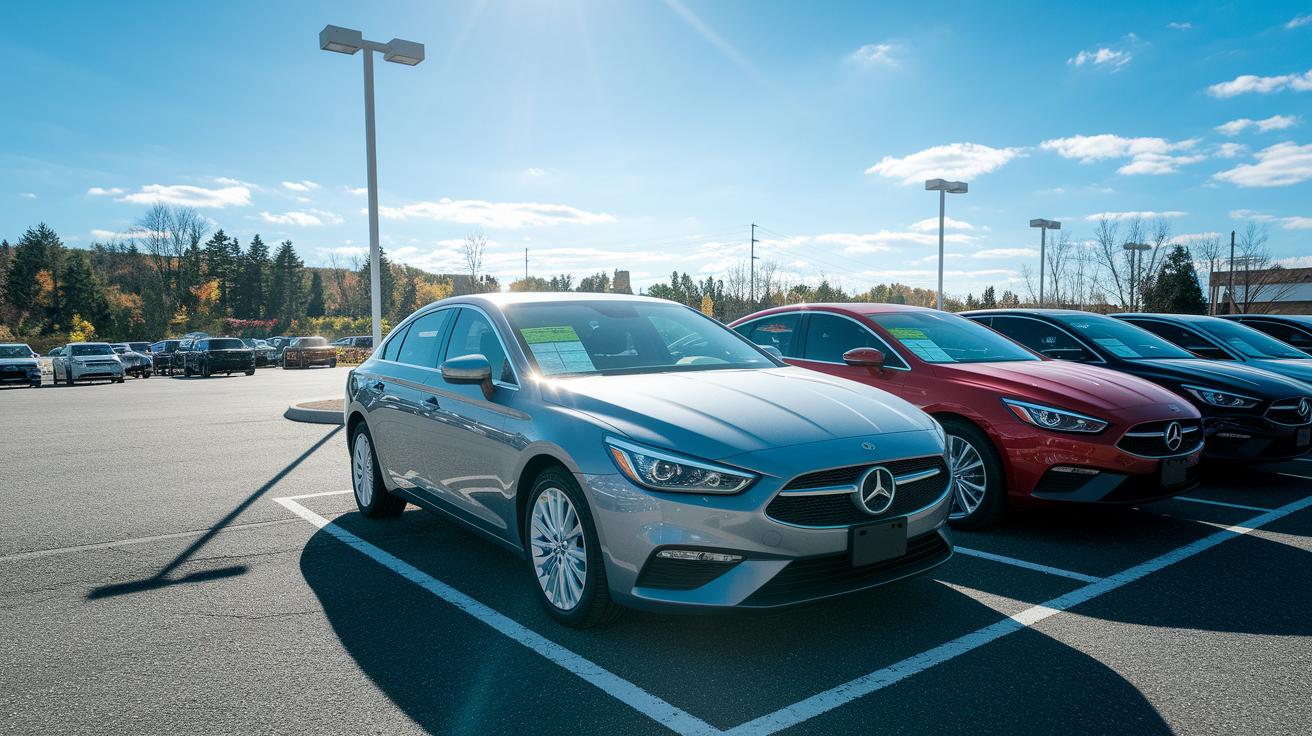
Buyers are feeling the squeeze from steeper interest rates. In mid-April, a typical 48-month new auto loan hit 7.6%, while financing for used cars ranged from 10% to 15%. Longer loan terms, stretching from 8 to 10 years, add another layer of challenge for those trying to keep their payments in check. Meanwhile, a 25% tariff on imported vehicles, along with additional duties on parts and metals like steel and aluminum, could push sticker prices up by 10% to 15%, prompting many to make quick decisions.
Shortages in semiconductor chips and production cuts during the pandemic had already driven new and used-car prices to record highs. Thankfully, improvements in vehicle production and growing inventories have helped settle these costs. Still, many consumers rushed to buy their next car before more price hikes could hit, leaving used-car stocks thinner than ever and keeping trade-in values high.
| Key Driver | Impact |
|---|---|
| High Financing Rates & Extended Loan Terms | Extra pressure on buyers managing long-term debt |
| Import Tariffs & Parts Duties | Potential price hikes of 10%-15% on new vehicles |
| Semiconductor Chip Shortages | Drove record-high prices during the pandemic |
| Inventory Improvements | Helped stabilize new vehicle pricing |
| Consumer Rush | Reduced available used-car stocks and raised trade-in values |
These trends reach far beyond the dealership. The auto industry pulls together more than 1 million jobs and makes up about 3% of U.S. real GDP. Every shift in financing rates, tariffs, and inventory levels sends ripples through the economy. Keeping prices steady during these changes is not just about robust sales, it’s also a sign of a healthy economic landscape that affects everyone.
auto market trends: upbeat prospects ahead
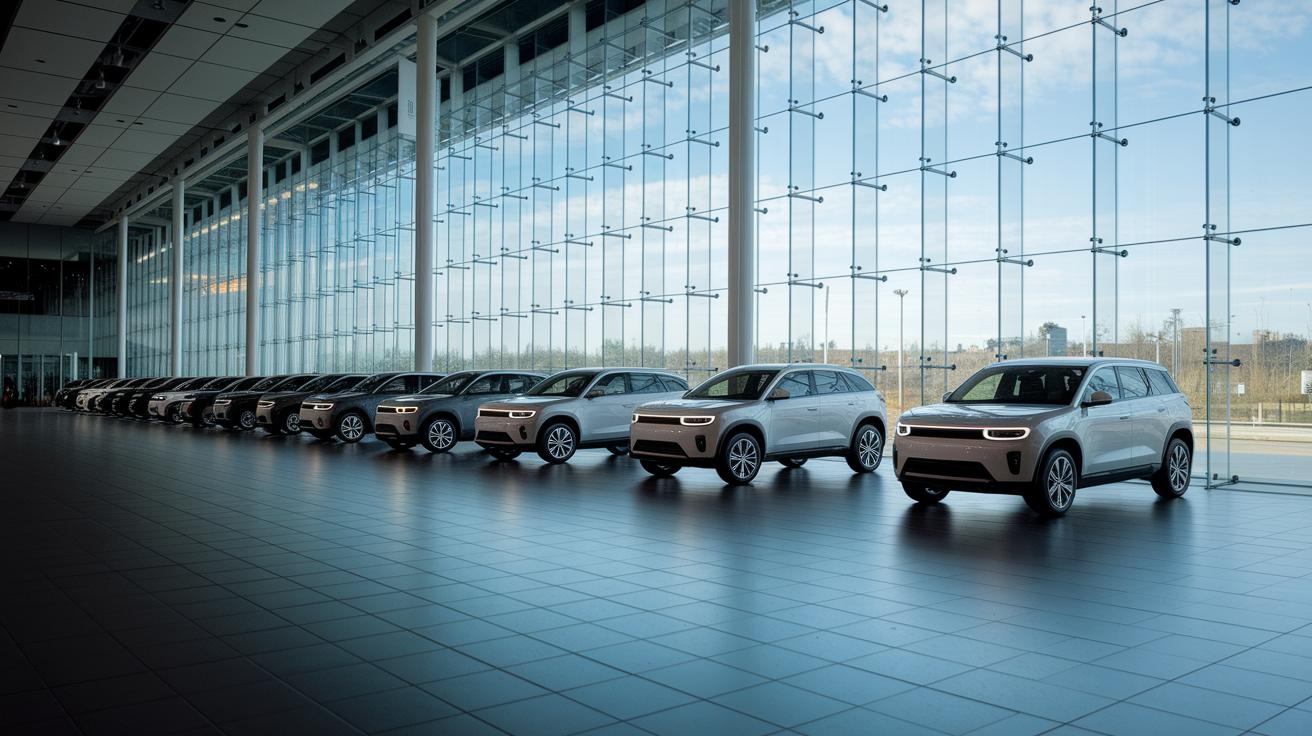
Easing tariff pressures and slowly improving financing conditions are setting the stage for a steady rise in U.S. light-vehicle sales. Industry experts say that while recent sales have dipped, the mix of shifting policies and market mood hints at a modest rebound.
Manufacturers are also seeing gradual improvements in production efficiency, which adds to the positive outlook. For a clearer picture, here are the projected figures for upcoming years:
| Year | U.S. Light-Vehicle Sales (Million Units) |
|---|---|
| 2023 | 15.2 |
| 2024 | 15.0 |
| 2025 | 14.6 |
| 2026 | 14.8 |
| 2027 | 15.0 |
Still, challenges remain. Global supply-chain issues are making a full domestic manufacturing revival tricky. And with shifts in consumer demand, potential changes in trade policies, and ongoing economic headwinds, long-term sales could face bumps along the road. Even though the near-term trends look positive, unexpected changes might still alter the market's course.
Technological Innovations Shaping auto market trends
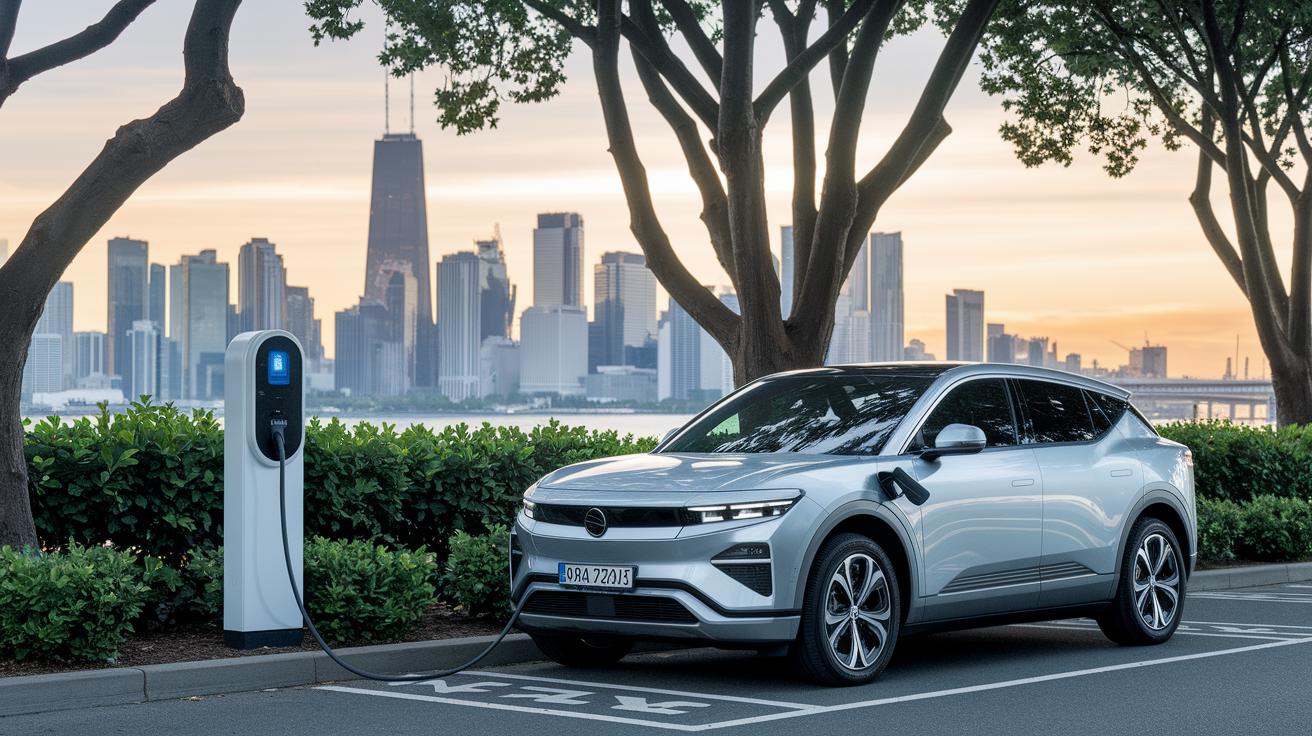
Innovation stands at the forefront as automakers tackle tougher emissions standards. Car makers are using fresh technologies to keep our air cleaner and change how we experience driving. In some cities pushing for lower emissions, one electric car can reduce hundreds of pounds of CO2 each year.
Battery-electric vehicles are making waves around the world. Eco-friendly rules are nudging old models aside while more drivers pick zero-emission options. Manufacturers are boosting production to keep up with this surge, shifting the focus from traditional fuel to cleaner mobility.
Plug-in hybrids are getting a strong push too. With the market expected to hit about $36 billion by 2025, these cars offer a mix of fuel efficiency and electric power. It’s like getting the best of both worlds – a smooth, silent ride when you want quiet and a burst of power when you need it.
Connectivity breakthroughs are also changing the game. Advances in 5G, IoT, and cloud computing now enable features like smart parking assist, improved safety, and over-the-air updates. Imagine a car that functions like your smartphone, always updating for a smoother ride.
Autonomous vehicle testing continues to drive future designs. While self-driving cars are still in early stages, experts predict they could reshape travel by 2027. Picture a vehicle that almost drives itself, learning with every mile.
Hydrogen fuel-cell vehicles are also under the spotlight. Seen as a promising partner to battery-electric models, they open up new routes to sustainable travel and reduce our dependence on traditional fuels.
Consumer Behavior Shifts Driving auto market trends

More people are using the internet to shop for cars these days. In fact, about 95% of buyers kick off their research online, checking prices and reading reviews long before they visit a dealership. With rising interest rates and fresh tariffs, many consumers are rushing to buy cars sooner rather than later so they can dodge any future price hikes. At the same time, a lot of folks are sticking with their current rides a bit longer, trying to avoid steep trade-in fees.
It’s clear that car shopping has moved online. Buyers now prefer finding all the information and even handling transactions via their smartphones or computers. Online platforms make the process smooth and fast, which means a trip to the dealership isn’t as common as it used to be.
Key trends in this shift include:
- A clear need for easy online financing and digital contracts.
- An uptick in short-term subscriptions and ride-sharing services.
- Many sticking with their current vehicles because they’re worried about losing trade-in value.
New ways to own or use cars are also popping up, especially among younger drivers looking for more flexible options. Subscription services and mobility programs let you skip the long-term commitment while still getting reliable transportation. And because of these changes, car makers and dealers are rethinking their old methods and finding fresh, digital-first ways to serve today’s buyers.
Economic and Regulatory Forces Impacting auto market trends
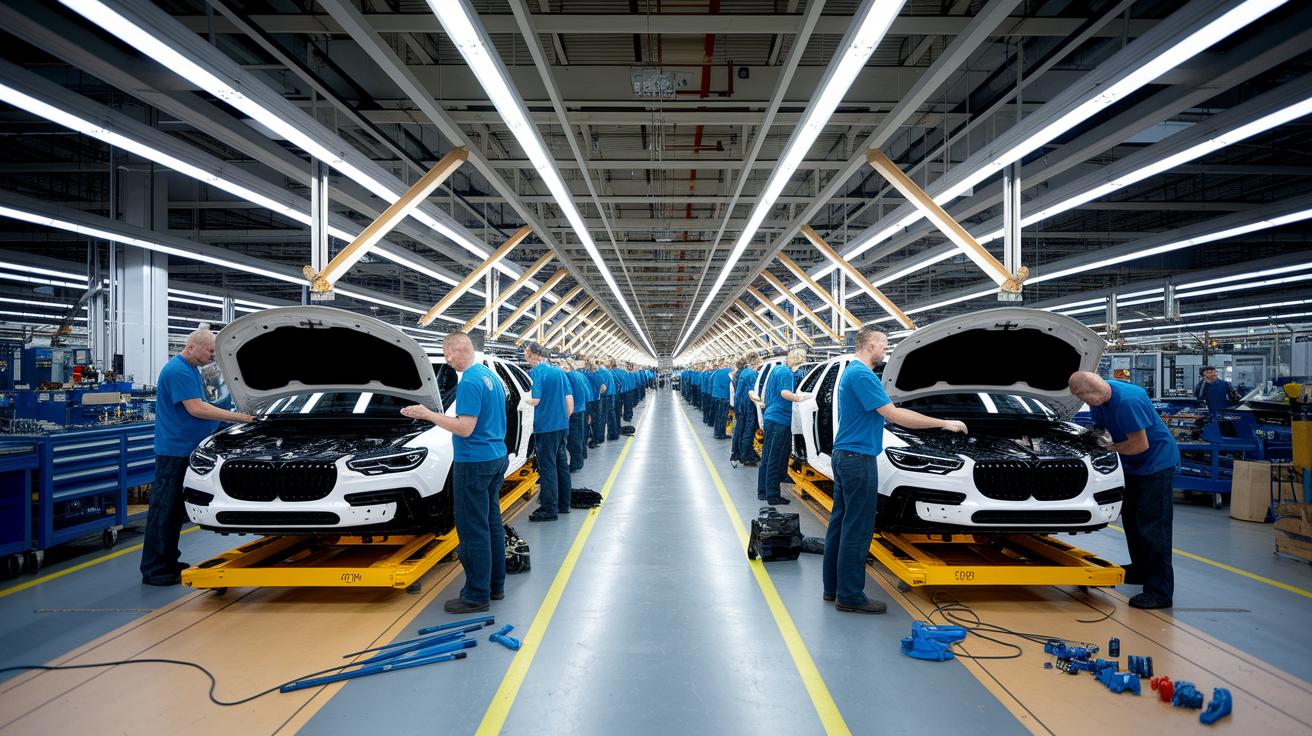
Tariff and Trade Impacts
A major manufacturer cut its use of imported parts by 30% within a year as a direct response to tariff pressures. Car makers are rethinking their strategies to manage rising costs from international tariffs. One mid-sized automaker recently shifted production from overseas back to domestic facilities to dodge expensive imports. An executive explained, "We now emphasize local sourcing, which gives us more control and flexibility when trade policies tighten."
Financing Costs and Interest Rates
A recent industry review noted that emerging finance models are already shifting consumer behavior away from traditional long-term loans. As lending practices evolve, more buyers are exploring different ways to finance their vehicles. An automotive credit specialist mentioned that creative leasing options and flexible financing could change how consumers handle auto payments.
Supply-Chain Disruptions
One automaker reported a 20% improvement in production reliability after activating pilot supplier programs. Ongoing chip shortages are pushing manufacturers to create new supplier relationships. In one case, a key player began testing early-stage agreements with up-and-coming semiconductor providers to build a stronger supply chain. An expert commented, "These new relationships may set the stage for a lasting change in procurement methods."
Regional Perspectives on auto market trends
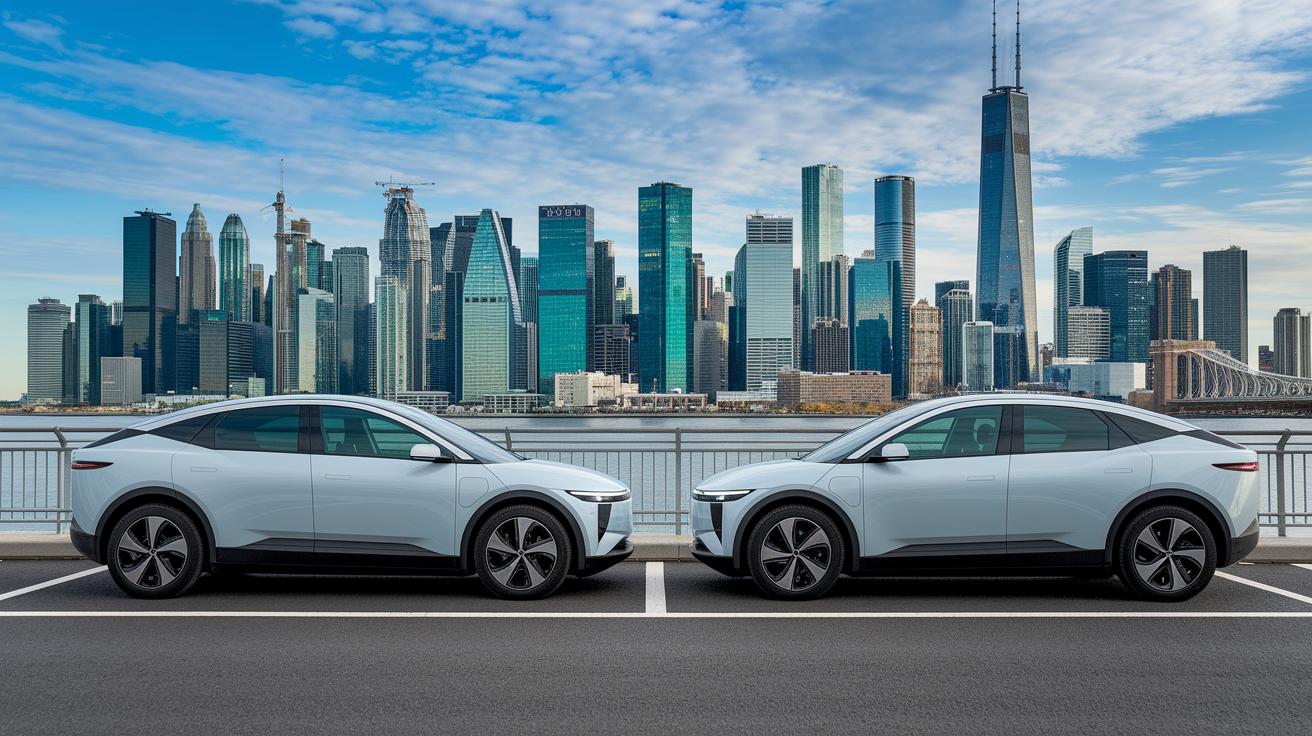
Asia-Pacific is leading the charge when it comes to battery-electric vehicles. Car buyers in the region are switching to eco-friendly models at an impressive pace, leaving many of the old fuel-based cars behind. For example, recent reports show that BEV sales in key Asian markets have already overtaken traditional car sales, setting a new standard for EV adoption worldwide.
Across the globe, the growing demand for automotive parts highlights the crucial role of the aftermarket sector. Over the last 20 years, steady growth in this area has demonstrated how both manufacturers and repair shops benefit from greater parts availability. This trend not only keeps automakers running efficiently but also increases service revenues, providing a strong base for the industry’s future expansion.
Even amid broader economic challenges, luxury car brands continue to perform well in Europe and the Middle East. High-end models enjoy robust demand even when other segments face uncertainty, showing that luxury remains a resilient market in regions that value both performance and prestige.
Segment Analysis within auto market trends
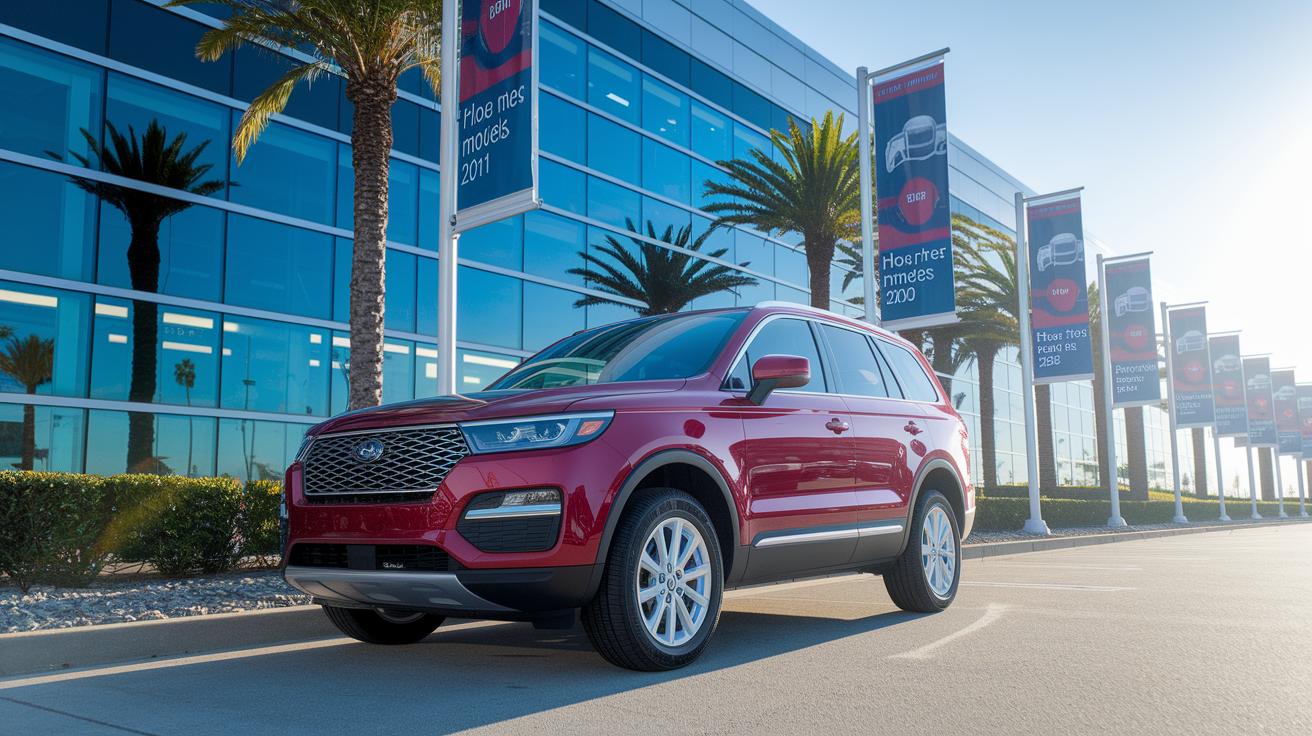
Large vehicles like SUVs and pickups remain the clear favorites in the U.S. market. Buyers choose these models because they offer plenty of space, versatile features, and hold their value well. Dealerships are shifting their inventories to keep up with changing tastes, a move that helps manufacturers rely on these trusted market segments.
Below are some key trends shaping the market today:
| Trend | Details |
|---|---|
| SUV & Pickup Sales | Over 65% share in the U.S. |
| Compact Models | Deliveries increase as inventories bounce back |
| Luxury Segment | Shows mid-single-digit growth driven by premium demand |
| EV Crossovers | Gaining traction in city markets |
Meanwhile, shifting consumer priorities are prompting automakers to rethink their mix of vehicles. Companies are fine-tuning plans to blend traditional high-volume models with newer trends in electric and compact vehicles. They’re investing in digital marketing, streamlining production, and even rethinking design features to meet modern expectations. All these changes help automakers provide a range of options for buyers, whether you're after rugged capability, fuel efficiency, or smart tech features.
Final Words
In the action, we saw how rising financing rates, tariffs, and inventory shifts shape today’s auto market trends. We explored sales projections, tech innovations, shifting consumer patterns, economic pressures, regional views, and segment performance. Each section offered key insights about how decisions in the industry affect job numbers and GDP share. The discussion leaves us with a clear picture of a resilient market that continues to adapt and provide opportunities. The future holds promise as industry shifts drive progress for buyers and makers alike.
FAQ
What are the current trends in the automotive industry?
The current trends in the automotive industry focus on high financing rates, increased import tariffs, ongoing semiconductor issues, and shifting consumer behavior that influences new and used car prices.
What is the prediction for the auto market and used car forecast for 2025?
The auto market prediction for 2025 indicates a slight decline in new-vehicle sales with a burst in consumer rush ahead of expected price hikes, while used car forecasts show elevated trade-in values amid tight inventories.
What is the current car sales trend?
The current car sales trend reflects a short-term surge in purchases driven by consumer fears of further price increases, even as financing pressures and inventory challenges weigh on overall volume.
Are US car sales declining?
US car sales show mixed signals as new-vehicle sales moderately decline due to high interest rates, yet experts expect a rebound if borrowing rates and tariff impacts start to ease over time.
How do companies like Cox Automotive and Ford Motor Company influence market trends?
Companies like Cox Automotive and Ford Motor Company play key roles by providing data analysis, market insight, and innovative solutions that help shape automotive trends and support industry growth.
How are automotive industry statistics evolving for 2025 and beyond?
Automotive industry statistics for 2025 reveal rising loan rates and tariff challenges affecting prices, while improvements in inventory and tech innovation point to gradual stabilization in market performance.
What are the long-term trends in the automotive industry towards 2030?
Long-term trends towards 2030 indicate a shift to electric and autonomous technologies, evolving consumer preferences, and adjustments in supply chains that will redefine how vehicles are produced and sold.

