
Ever thought about how a bachelor's in artificial intelligence might shape your future? This degree isn’t just a study plan, it shows your real commitment to learning advanced tech skills. Only 14 schools offer these specialized programs right now, giving you a unique chance to stand out. They mix core subjects like math, programming, and computer systems to prepare you for real tech roles. In short, it’s like building a strong foundation that opens the door to a bright, competitive future in many fields.
Bachelor’s in Artificial Intelligence Program Overview
Artificial intelligence bachelor's programs come in a couple of flavors. Some schools offer a dedicated BS in AI, while other colleges combine AI with machine learning as part of their computer science studies. These programs cover subjects like computer systems, mathematics, algorithms, and various programming languages. For example, one program might focus solely on AI, while another mixes in machine learning to boost overall computing skills. Did you know that before modern courses made programming basics standard, students had to learn a lot on their own?
AI programs are still quite rare in the United States. Right now, only 14 schools offer these specialized degrees, including one Ivy League institution. Because of this, earning a BS in AI stands out as a significant achievement, it shows a real commitment to mastering advanced technical skills and meets the growing need for experts who can bring artificial intelligence to various industries.
A new online BS in AI is coming this fall in 2025 to help fill the talent gap. The program offers two tracks:
- AI Applications track for end-users and managers
- AI Developer track for those focused on building AI systems
This new option balances strong theoretical knowledge with practical skills and is designed for busy adults and military-affiliated learners. The courses mix core computing principles with hands-on projects, getting graduates ready for versatile roles in today’s tech-driven world.
Entry Requirements for a Bachelor’s in Artificial Intelligence

If you want to earn a degree in artificial intelligence, you need to have finished high school or something similar. Schools want to see that you have a good mix of skills in math and tech subjects like calculus, statistics, and beginner programming. These courses give you the math and computer know-how you’ll need for tougher AI classes.
Most colleges ask for a minimum GPA, usually around 3.0, and they also look at scores from tests like the SAT or ACT. These numbers help the admissions team decide if you’re ready for the challenge of studying smart systems.
Some schools offer an Undergraduate Certificate in AI Foundations. This option is great if your background isn’t heavy in these subjects. The certificate gives you course work that builds your skills, making the jump to a full degree easier and boosting your confidence.
It’s a smart idea to organize your school records in a way that shows off your strengths in math and science. A personal statement explaining your passion for technology and problem-solving can also help your application. Following these steps sets you up for a bright future in the fast-changing world of artificial intelligence.
Curriculum Structure in Bachelor’s in Artificial Intelligence Programs
The bachelor's in Artificial Intelligence builds on a solid computer science foundation mixed with innovative AI ideas. At the beginning, students tackle fundamental subjects like computer systems, data structures, discrete mathematics, and linear algebra, along with practical modules in probability and statistics. This strong start sets the stage for later studies in machine learning techniques and algorithms. They also learn Python programming using popular libraries, dive into deep learning, explore robotic process automation, and get hands-on with creative AI like prompt engineering, GANs, and content creation. This well-rounded approach equips students to solve real-world challenges across fields such as business, cybersecurity, government, and non-profits.
| Course Title | Description |
|---|---|
| Introduction to AI | Covers the history of AI, core ideas, and key theories. |
| Machine Learning Fundamentals | Focuses on essential machine learning algorithms and their practical uses. |
| Python Programming for Data Science | Teaches Python basics and popular libraries to tackle AI challenges. |
| Deep Learning Techniques | Explores neural network designs and modern deep learning models. |
| Robotic Process Automation | Looks at automation strategies using software bots and AI tools. |
| Generative AI Methods | Introduces creative AI techniques such as GANs and prompt engineering. |
Besides these core courses, the curriculum offers many electives that let students explore specialized topics like cybersecurity, business analytics, and government data projects. In capstone or project-based courses, learners work on real challenges by building things like chatbots, image recognition systems, or predictive models. This blend of flexible electives and hands-on projects not only deepens technical expertise but also shows how computer science and AI come together to solve everyday problems.
Program Duration and Delivery Formats for Bachelor’s in Artificial Intelligence

Full-time bachelor's programs in AI usually take about four years, with students earning between 120 and 128 credit hours. You'll take a mix of general education courses and specialized AI classes that build a solid foundation for future tech careers. Many students like this steady schedule because it makes planning both school and career moves easier.
Online bachelor's programs in AI, like the new one starting in fall 2025, offer flexibility for busy adults and military members. You can study part-time at your own pace while also joining live virtual labs. This flexibility lets you juggle work, family, and study, making it simpler to dive into the field of machine intelligence.
Accredited digital AI programs often mix different ways of learning. You might watch pre-recorded lectures to cover the basics, join live virtual seminars to interact with instructors and classmates, and get hands-on experience in remote lab sessions. This balanced approach ensures you're well-prepared for both digital and traditional work environments.
Comparing Top Universities Offering Bachelor’s in Artificial Intelligence
Across the USA, 14 schools now offer dedicated bachelor’s degrees in artificial intelligence. These programs come from both public research universities and private colleges, with one even hailing from the Ivy League, bringing a dash of extra prestige. Some schools dive deep into theory and academic rigor, while others focus on hands-on projects tied to the industry. This mix lets students pick a path that matches their career dreams, whether they crave solid academic training or real-world experience in smart computing.
Each program has its own unique focus. At some universities, the spotlight is on cognitive computing and robotics, helping learners understand how machines can mimic human thought. Others blend data science into the mix, teaching applied machine intelligence in a way that’s both practical and engaging. In short, these interdisciplinary courses gear up graduates to face tough challenges in digital intelligence. They walk away ready for roles ranging from system development to strategic tech planning.
What really sets these programs apart are the special structures and industry partnerships they offer. Many schools boast flexible learning paths through cooperative projects and collaborative lab work, which help students build impressive portfolios. Strong ties with industry leaders also open doors to internships and on-the-job training, making it easier to keep pace with the latest tech trends. With differences in tuition, program length, and admission requirements, these programs provide varied options that balance cost, time, and quality. All these features make top U.S. institutions an appealing choice for aspiring professionals eager to carve out a future in digital intelligence and smart computing.
Experiential Learning and Capstone Projects in AI Bachelor’s Programs

Capstone courses in these programs ask students to build real-world AI solutions. They might design chatbots that answer customer questions, set up image-recognition systems, or develop models to predict trends, all inspired by real business challenges. Imagine a student creating a chatbot that helps customers with inquiries, that’s project-based learning in action.
University labs also play a big part by teaming up with industry partners to sponsor research work. In these labs, experts in robotics, language processing, and AI ethics work closely with students. This hands-on approach shows how classroom projects can become practical solutions after graduation.
Students further build strong portfolios by joining hackathons, taking on research assistant roles, or rotating through different labs. These experiences spark creative ideas and improve problem-solving skills, while also teaching valuable lessons in teamwork and resourcefulness.
In the end, merging theory with real projects not only boosts technical know-how but also hones the ability to plan and execute strategies. It offers students a clear path to a future where hands-on learning bridges the gap between classroom theory and career success in artificial intelligence.
Career Outcomes After a Bachelor’s in Artificial Intelligence
Earning a bachelor’s in artificial intelligence opens many doors. Graduates can start out in jobs like machine learning engineer, data scientist, AI developer, or AI operations specialist. These roles are a great way to get your foot in the door and see the many paths available in intelligent systems. Plus, many graduates also move into positions as AI product managers, ethics specialists, sales and marketing experts, trainers, or data analysts. This spread of choices means you can tailor your career to match both your tech skills and your personal interests.
Market demand for AI skills is growing fast. In fact, about 75% of companies plan to use AI in their day-to-day operations over the next few years. Employers are on the lookout for new talent who not only grasp technical details but can also solve real business problems with AI. This mix of computer science fundamentals and hands-on AI experience gives graduates a strong edge in today’s tech landscape.
Entry-level roles in this space often pay between $60,000 and $80,000. These figures show that the field is robust and offers a solid start for anyone stepping into the tech workforce. For more insights on the rising demand and salary trends, check out the Tech Industry Economic Outlook.
Looking ahead, career growth in AI is expected to keep steady as technology evolves. Companies are expanding their AI efforts, which means new roles that blend technical know-how with leadership skills will keep emerging. With this expansion, a career in artificial intelligence promises to be both varied and full of opportunities for long-term success.
Tuition, Scholarships, and Financial Aid for Bachelor’s in Artificial Intelligence
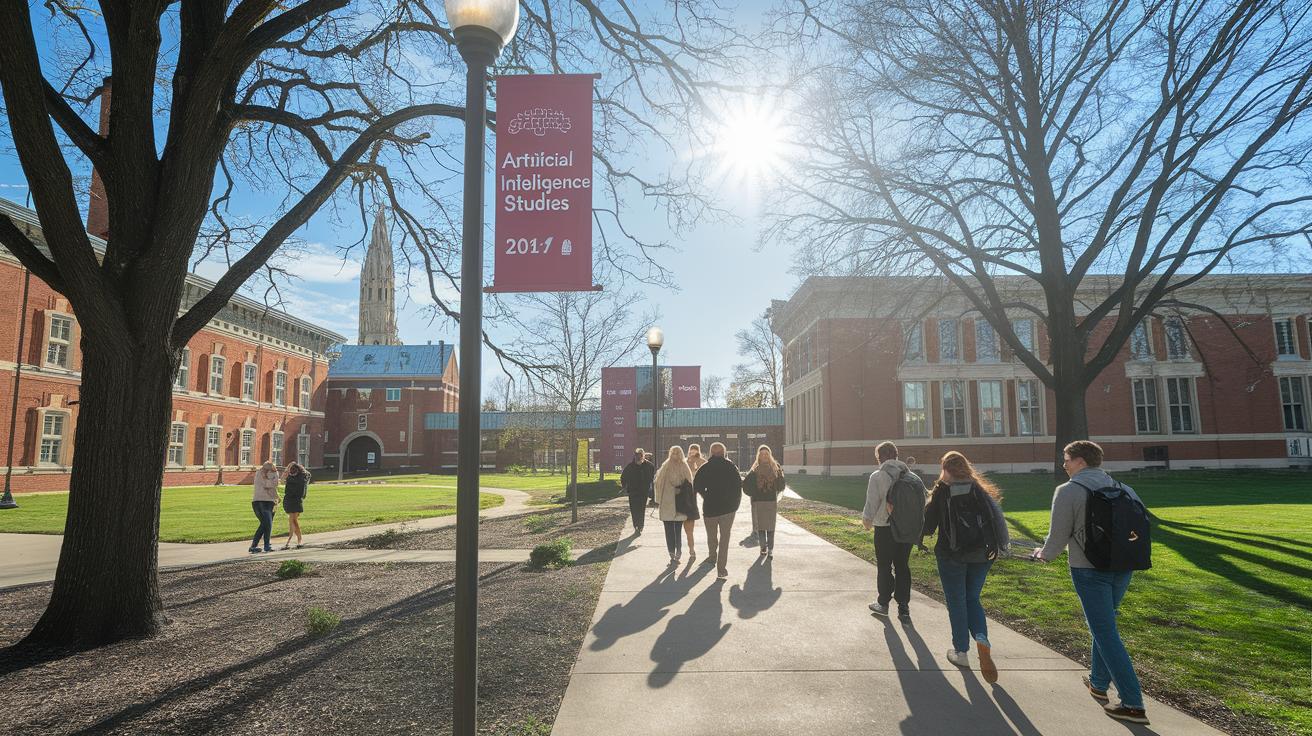
If you're planning to study artificial intelligence at a public state school, you can expect to pay between $10,000 and $15,000 per year. On the other hand, private schools might charge more than $40,000 a year. It might surprise you that many students discover quality tech education is available at a modest price at public institutions.
More schools are now offering special scholarships for students interested in smart computing. These scholarships come as merit-based awards, need-based grants, or work-study options that help ease the financial burden. Schools understand that supporting students in technology studies today can shape the future tech leaders of tomorrow.
When you compare costs, consider that master’s programs in AI often range from $44,640 to $71,140 for full-time study. This clearly shows that investing in a bachelor’s degree in artificial intelligence not only lowers your tuition costs now but also sets you up for a career full of high-demand opportunities in the long run.
Final Words
In the action, we traced what a bachelor's in artificial intelligence program covers, from core computing fundamentals to hands-on learning and real-world career insights. The discussion highlighted flexible delivery methods and evolving curriculum options.
- AI Applications track for end-users and managers
- AI Developer track for building AI systems
These programs offer clear paths for skill building and strategic growth, setting the stage for exciting opportunities and informed decision-making. The future feels bright with a bachelor's in artificial intelligence at the center of it all.
FAQ
Frequently Asked Questions
Q: What schools offer a bachelor’s in artificial intelligence?
A: The bachelor’s in artificial intelligence degree is available at select public research universities, private colleges, and even an Ivy League option. These programs range from dedicated AI degrees to combined majors with machine learning.
Q: What does a bachelor’s in artificial intelligence online program entail?
A: The bachelor’s in artificial intelligence online program offers flexible learning with asynchronous lectures, live virtual seminars, and remote labs. It is designed for working adults and military learners seeking to balance study with their schedules.
Q: What are the admission requirements for a bachelor’s in artificial intelligence?
A: The bachelor’s in artificial intelligence requirements typically include a high school diploma, a solid foundation in calculus, statistics, and introductory programming, along with a minimum GPA and standardized test scores or equivalent benchmarks.
Q: What courses and curriculum structure are common in bachelor’s in artificial intelligence programs?
A: The bachelor’s in artificial intelligence curriculum covers machine learning, Python programming, deep learning, and fundamental math topics. Students also complete a capstone project to apply practical AI skills in real-world scenarios.
Q: What is the typical duration and delivery format of a bachelor’s in artificial intelligence program?
A: The bachelor’s in artificial intelligence programs usually take four years to complete with 120-128 credit hours. They are offered in on-campus, online, and hybrid formats, allowing students to choose the setup that best suits their lifestyle.
Q: What career prospects can one expect after earning a bachelor’s in artificial intelligence?
A: The bachelor’s in artificial intelligence opens paths to roles like AI developer, data scientist, and machine learning engineer. Graduates start with entry-level salaries around $60,000-$80,000, with opportunities for growth as demand increases.
Q: How much does a bachelor’s in artificial intelligence cost, and what financial support is available?
A: The bachelor’s in artificial intelligence tuition can range from $10,000 to over $40,000 annually depending on the institution. Many schools offer merit-based scholarships, need-based grants, and work-study programs to help manage costs.
Q: Is a bachelor’s in artificial intelligence a worthwhile degree?
A: The bachelor’s in artificial intelligence degree is seen as valuable because it equips students with specialized skills needed for high-demand tech roles, making it a competitive and practical choice for future careers in technology.
Q: What alternatives exist to a specific bachelor’s in artificial intelligence degree?
A: The best degree for artificial intelligence might include related fields like computer science or data science. These programs offer core AI courses and broader technical training, serving as a strong foundation for a career in intelligent systems.
Q: Are AI certifications or short courses important for advancing in AI careers?
A: AI certifications and specialized courses complement a bachelor’s degree by providing up-to-date industry practices and niche skills. They enhance career readiness and can set candidates apart in a competitive job market.

