
Have you ever considered that doing your civic duty might be the secret to a vibrant community? In our everyday life, civic duty isn’t just about obeying rules, it’s about stepping up and shaping our shared future. Whether you cast a vote or serve on a jury, you're part of a tradition that has been around for centuries.
This piece explains what civic duty really means and shows how following laws and volunteering come together to make a positive difference in our communities.
Defining Civic Duty: Meaning and Origins
Civic duty means the rights and responsibilities that come with being a U.S. citizen. As a citizen, you enjoy certain freedoms and legal protections, but you also take on the role of supporting our government and community. For instance, when you vote, you're not just checking a box; you're actively shaping key decisions for our nation. This balance of privileges and obligations helps create a reliable system for everyone to participate.
These ideas go way back in our history. Early American leaders built this notion into the Constitution, forming a kind of social contract between the government and the people. They believed that the rights we enjoy should be paired with active involvement in society. So, civic duties cover both legal requirements, like serving on a jury or paying taxes, and voluntary efforts that enrich our communities. Each person's active role strengthens the connection between individual freedoms and our shared responsibilities.
Legal vs. Voluntary Elements in Civic Duty Meaning

Civic duty means doing what the law requires as well as choosing to help out voluntarily. Citizens fulfill rules set by our constitution and also decide to pitch in to make communities better. Some tasks, like serving on a jury or paying taxes, are required by law to keep our society running smoothly. And things like voting or taking part in community projects let people add a personal touch that strengthens our everyday life.
Here are some examples of each:
| Legal Duties | Voluntary Actions |
|---|---|
| Jury Duty – Keeps our court system fair | Voting – Gives you a voice in elections |
| Paying Taxes – Funds public services | Community Service – Builds and bonds our neighborhoods |
| Obeying Laws – Helps maintain order | Self-Education – Keeps you informed and engaged |
Both required and voluntary actions are important because they play a big role in how our society functions. The legal side makes sure the system works, while voluntary acts add a human, caring element. When people honor both parts of civic duty, they make a strong, positive impact on their community and help build a healthy democracy.
Civic Duty Meaning Illustrated: Key Examples in Practice
People have many ways to pitch in and help their communities. These examples show that civic engagement goes well beyond everyday tasks. For example, joining town hall meetings gives you a chance to share ideas on real issues. It’s like being part of a lively conversation that reveals the true pulse of your community.
| Duty | Category |
|---|---|
| Running for Office | Voluntary Action |
| Testifying in Legal Proceedings | Legal Obligation |
| Military Defense | Legal Obligation |
| Census Participation | Voluntary Action |
| Respecting Others’ Beliefs | Voluntary Action |
| Participating in Town Hall Meetings | Voluntary Action |
| Community Organizing | Voluntary Action |
| Digital Civic Engagement | Voluntary Action |
| Engaging in Public Discourse | Voluntary Action |
| Volunteering for Crisis Response | Voluntary Action |
Each of these actions not only holds public officials accountable but also lets everyday citizens have a direct hand in shaping the policies that affect our lives.
Civic Duty Meaning and Democratic Engagement
When you vote, you’re directly shaping policy at every level of government. A local study found that a 10% increase in voter turnout led to noticeable improvements in school funding. Imagine this: in one town, a 10% boost in votes sparked changes that significantly enhanced school resources. This shows that every single ballot can make a difference in our communities.
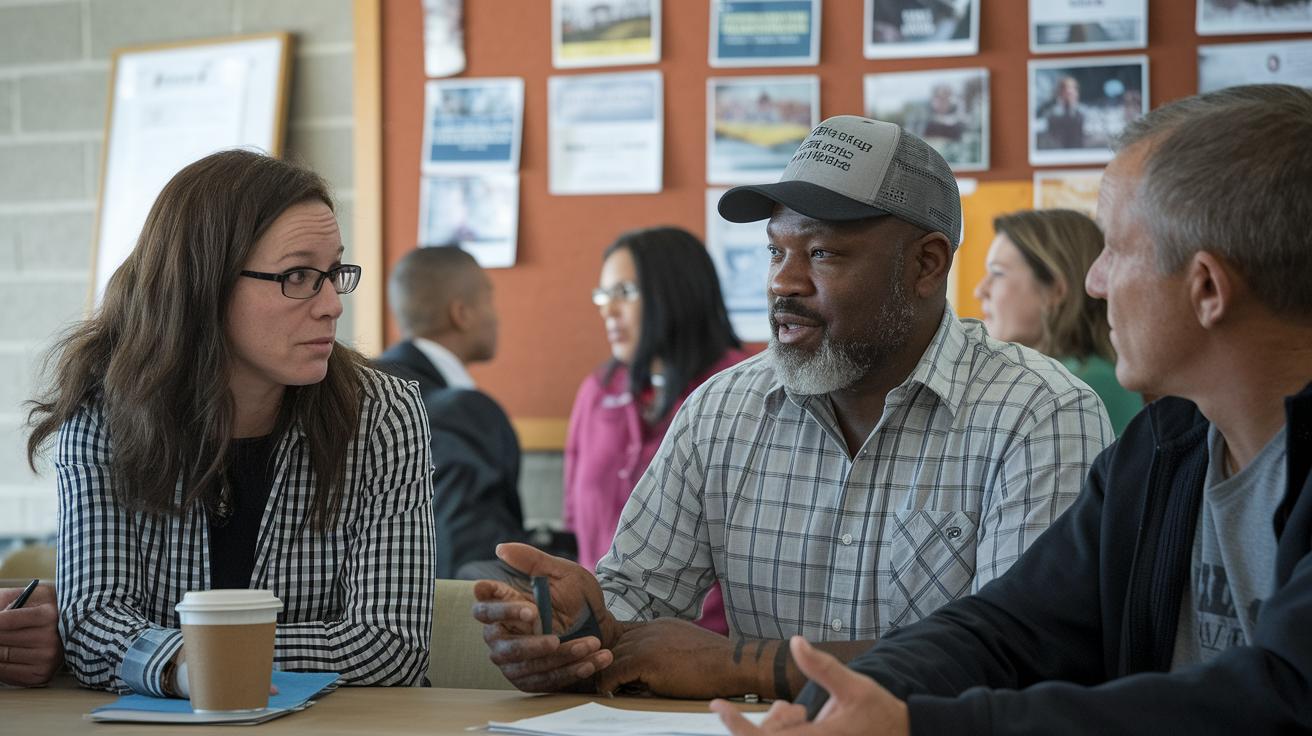
But civic duty isn’t just about casting your vote. It also means rolling up your sleeves and getting involved in volunteering or town meetings. Recent trends show that communities with active volunteer work enjoy better cooperation between residents and local leaders. These collective efforts not only amplify individual voices, they also build trust and encourage ongoing conversations that lead to positive policy shifts.
Evolution of Civic Duty Meaning in American Society
Since the early days of our nation, American leaders have paired individual rights with a call to support the community. The Founders believed that our freedoms truly mattered only if we also helped shape society. Early citizens pledged to protect their neighborhoods, showing that every right came with a role to play.
In the 19th and 20th centuries, civic duties became part of everyday life. Jury duty, joining local government, and following new laws all reflected an evolving idea of citizenship. Think of a small town where neighbors gathered at the town hall to talk about local issues and choose the leaders they trusted. This period mixed legal responsibilities with a growing commitment to public involvement.
Today, the meaning of civic duty has expanded even further. Beyond voting and public office, many people volunteer for environmental causes and national service programs. These actions, combined with regular community activities, show how citizens continue to support a balanced blend of personal rights and public responsibility.
Final Words
In the action, the post unpacked civic duty meaning by outlining its origins and current practice in America. It compared legal duties like serving on juries and paying taxes with voluntary actions such as voting and volunteering. The discussion tied concrete examples of citizen participation to stronger democratic institutions and showed how these responsibilities have evolved. Every act, whether mandated or voluntary, contributes to upholding a robust social contract and reminds us to value our role in civic duty meaning. Let’s move forward with hope and determination.
FAQ
Q: What does civic duty mean, particularly in the United States?
A: Civic duty means the set of rights and responsibilities that come with being a citizen, including both legal duties and voluntary actions that support community engagement and a healthy democracy.
Q: Is voting considered a civic duty?
A: Voting is considered a key civic duty because it allows citizens to choose their leaders and shape government policies, ensuring everyone’s voice counts in the democratic process.
Q: What are some common civic duty examples?
A: Common examples include voting, jury service, paying taxes, obeying laws, volunteering, and participating in community events-all actions that help maintain and strengthen society.
Q: What are five civic responsibilities?
A: Five important civic responsibilities are voting, serving on a jury, obeying laws, paying taxes, and engaging in community service, all of which contribute to a well-functioning society.
Q: How is civic duty defined for students?
A: For students, civic duty means learning about governmental functions, participating in community service, and becoming informed citizens who contribute positively to society.
Q: What is the difference between a moral duty and a civic duty?
A: A moral duty comes from personal ethics and beliefs, while a civic duty stems from the responsibilities tied to living in a community and participating in its governance.
Q: How is civic duty understood in Canada?
A: In Canada, civic duty includes both legally required and voluntary actions by citizens, similar to those in other democracies, that help the country run smoothly and support community well-being.
Q: What does the term “civic work” mean?
A: Civic work refers to the spectrum of activities performed by citizens-such as volunteering and community involvement-that play a vital role in sustaining and improving societal life.
Q: What is a good synonym for civic duty?
A: A good synonym for civic duty is “citizenship responsibility,” as it clearly encompasses the obligations citizens have to support their community and government.

