
Have you ever wondered why some neighborhoods show up at the polls while others don’t? Data shows that local efforts can boost voter turnout by about 10 to 15 percent, turning a quiet election period into an exciting call for change.
When neighbors come together, they remind each other that every vote counts. This simple act builds trust and sparks a shared desire to shape our future.
In this story, we take a closer look at how community involvement can drive voter turnout and create a stronger voice in our democracy. Every single vote carries the power to change everyday life.
The Role of Civic Engagement in Driving Voter Turnout
Civic engagement is all about jumping in to help improve our communities and protect our voting rights. It’s a nonpartisan drive that empowers people to shape the decisions that affect everyday life. Picture a small local meeting where residents remind one another, "Your vote matters, your voice counts." This shared spirit moves beyond political lines, creating a strong network to protect the vote, much like what we saw on October 1, 2024.
There are several ways communities spark change:
- Awareness campaigns: Local ads help remind people where to vote.
- Trust building: Sharing success stories that show how one vote can turn the tide.
- Capacity workshops: Hands-on sessions that guide voters through the process.
- Network mobilization: Neighborhood get-togethers that bring together voters and community leaders.
- Policy influence: Open talks that work toward fair and clear voting rules.
Studies show that when communities work together, voter turnout can jump by 10-15%. That boost comes from efforts that educate, connect, and empower everyone to exercise their right to vote.
Take Michigan United, for example. Their coalition uses a personal approach to build election protection networks, ensuring eligible voters make it to the ballot even when times are tough. Imagine a community rally where neighbors encourage each other with a simple shout: "Your vote is your voice." It’s a clear reminder that local, sustained efforts keep our democracy vibrant.
Historical Trends in Civic Engagement and Voter Turnout
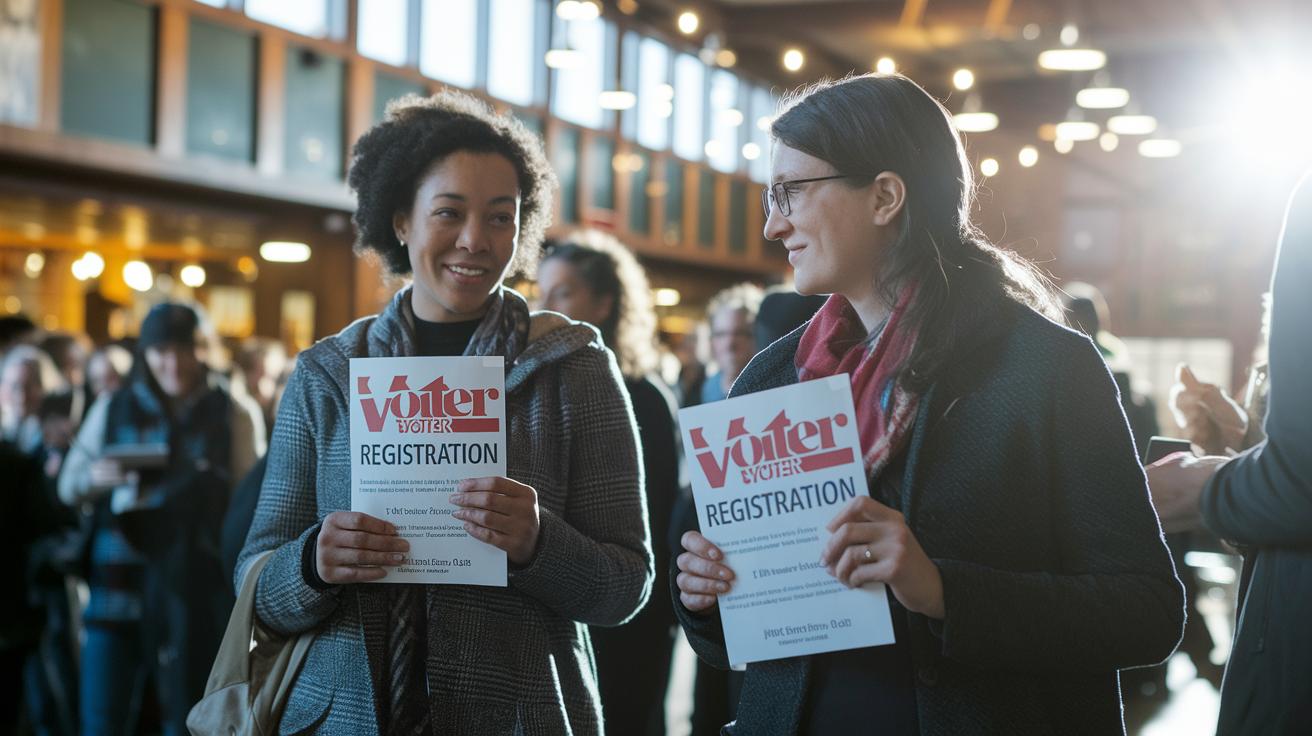
Voter turnout has changed quite a bit over the years, thanks to targeted civic campaigns that connected with everyday folks. Back in 1964, about 60% of eligible voters went to the polls, inspired by early initiatives that encouraged empowerment. And just a year later, community forums helped spark a lively interest in public participation.
By 1992, things took a dip, with a 50% turnout that reflected a time of political disillusionment and fewer grassroots efforts. Then, in 2008, voter education drives got people excited again, nudging participation up to 58%. Most recently, in 2020, solid election protection efforts helped boost turnout to a striking 66%.
This overall shift highlights how well-timed civic action can really influence our democratic process. Think about it, when communities rally around educational drives and local meetings, they can raise voter numbers and build a sense of shared responsibility all at once.
| Year | National Voter Turnout (%) | Key Engagement Initiative |
|---|---|---|
| 1964 | 60% | Early Empowerment Initiatives |
| 1992 | 50% | Reduced Grassroots Mobilization |
| 2008 | 58% | Voter Education Drives |
| 2020 | 66% | Enhanced Election Protection Efforts |
Each of these moments, whether a boost or a setback, reminds us how every campaign plays a part in shaping our collective voting habits. Don’t you find it interesting how community actions can spark such big change?
Civic Engagement and Voter Turnout Ignites Vibrant Change
Grassroots strategies are at the heart of driving voter turnout by forging strong personal bonds and empowering entire communities. Relational organizing builds on everyday connections, using personal networks to pass on key information and spark voter interest. For instance, political clubs on campus helped push a 5% rise in student voter turnout during the 2022 elections.
Local events also play a big role. Neighborhood forums and mobile polling events at community gatherings have boosted participation nearly 8% in some areas. These community-led initiatives not only register voters but also nurture a shared spirit of unity and purpose.
- Relational organizing: Building connections between people to encourage voting.
- Campus clubs: Student groups that energize the electorate, as seen with a 5% increase in 2022.
- Mobile polling stations: Bringing voting options right to busy community settings.
- Volunteer registration drives: Nonprofit efforts that simplify getting on the voter rolls.
- Neighborhood forums: Local meetings that spark conversation and drive community involvement.
- Digital outreach campaigns: Using social media and online tools to expand voter mobilization.
Real-world examples show the true impact of these strategies. Nonprofit organizations and volunteer groups work together to make voter registration easier while educating citizens about their rights and the difference each vote makes. In local forums, trusted community leaders share success stories and offer practical advice on voting.
Mobile polling stations set up at farmers’ markets and local gatherings help remove common voting barriers, making it simpler for more people to participate. When citizens come together, both in person and online, voter turnout rises, breathing new life into democratic participation.
Elector Registration Drives and Voter Education for Higher Voter Turnout
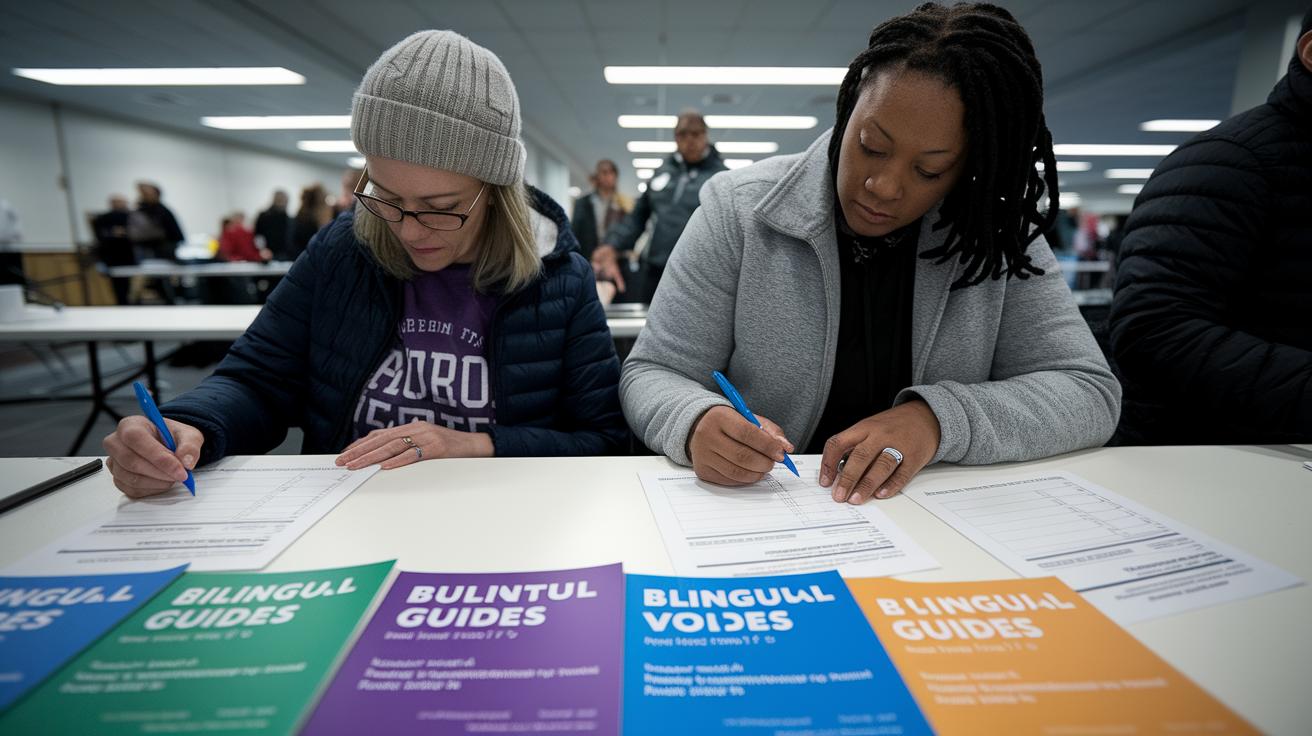
Community programs like "Register Now" are showing better results. Local groups and nonprofits have teamed up, using voter guides in several languages and clear, step-by-step instructions. This approach helped push voter registrations up by 7%.
Ballot casting tutorials reached 150,000 people by breaking the voting process down into simple, visual steps. And interactive rights workshops boosted engagement by 30% with Q&A sessions and clear, detailed handouts. Some centers even display signs saying "Your vote is a voice" to make a personal connection with new registrants.
| Program Type | Focus Area | Impact |
|---|---|---|
| Registration Drives | Voter Onboarding | 7% rise in registrations |
| Voting Tutorials | Ballot Casting Education | 150K users engaged |
| Rights Workshops | Democratic Rights Awareness | 30% higher engagement |
These improved efforts are boosting voter confidence and making our democracy stronger by spreading electoral know-how and encouraging more participation.
Election System Reforms and Accessibility Measures to Boost Voter Turnout
Reforming our election system is vital for breaking down barriers that keep qualified voters from casting their ballots. By updating outdated policies and practices, from confusing ballot instructions to hard-to-reach polling locations, we can create a fairer and smoother voting experience for everyone.
Early Voting Expansion
Expanding early voting has really made a difference. In 15 states, the voting window has been extended by a full week. This extra time allows more people to vote without the stress of a single busy day. It’s like when a store extends its hours, giving customers more chances to drop by at their convenience. These changes help reduce long lines and make the entire voting process less hectic.
Mail-In and Absentee Advances
Mail-in ballots have become a trusted way to vote. Back in 2020, nearly half of all votes were submitted by mail. Clear and simple instructions for absentee voting have helped prevent any mix-ups. The latest reforms focus on making sure voters get the right forms on time and know exactly where to send them. This way, even if someone can’t get to a polling place, their vote still counts.
Digital Ballot Outreach
New digital tools are making the voting process more modern and accessible. Many voters now receive email reminders and step-by-step guides on how to request an absentee ballot. This digital support has boosted ballot requests by about 12%, streamlining the process for a diverse group of voters. With real-time updates and clear instructions, technology is playing a big role in making sure everyone can participate easily.
Data-Driven Measurements of Civic Engagement Impact on Voter Turnout
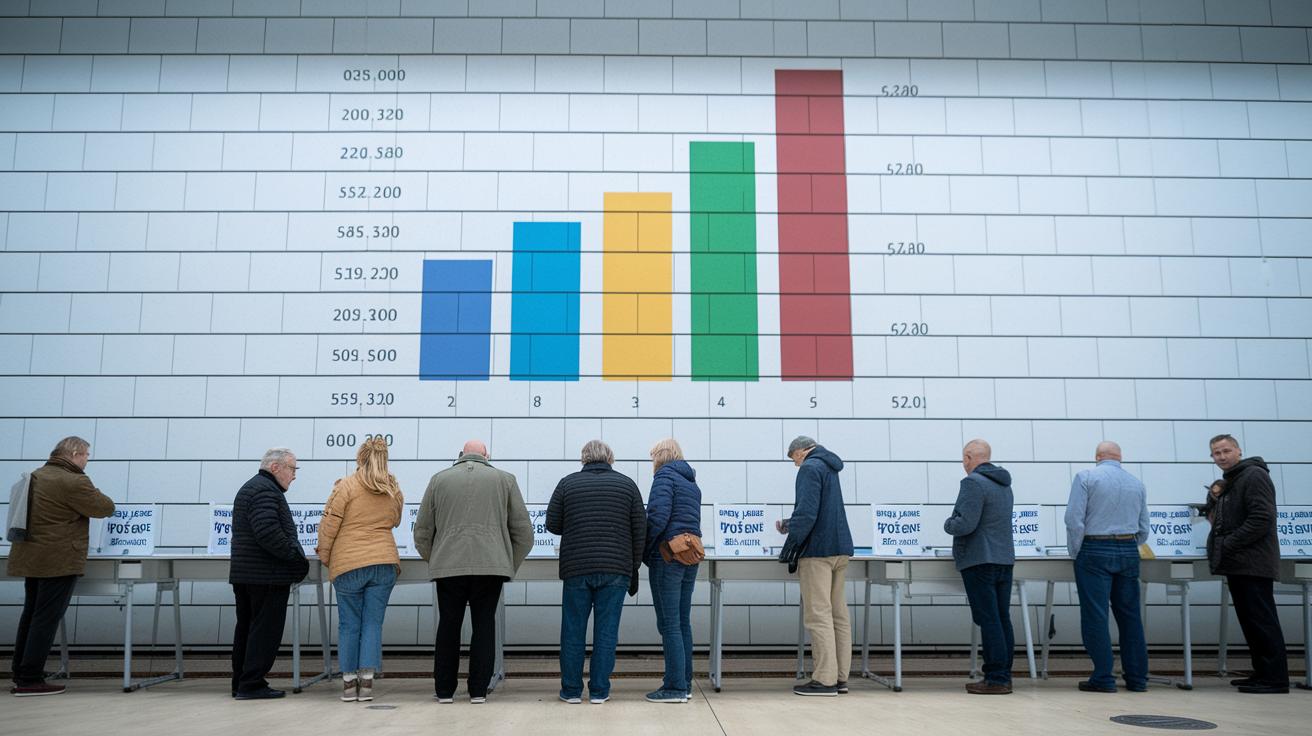
Metrics give us a clear picture of how getting involved boosts voter turnout. After an election, surveys help us see what worked and what needs improvement. By tracking how voters feel and what they do, officials can adjust election security and make voting easier. For example, state ballot participation scores, ranging from 50% to 90%, show us overall voter confidence. Research tells us that if polling stations have wait times over 30 minutes, turnout drops by about 3%. Meanwhile, how politically effective voters feel can shift participation by roughly 5%. These kinds of measurements help keep our elections fair and healthy.
| Metric | Description | Use |
|---|---|---|
| Electoral Behavior Surveys | Collect feedback after elections about the voter experience | Find areas to strengthen engagement |
| Participation Index | Measures the percentage of voters participating across the state | Track trends and improvements |
| Wait-Time Metrics | Checks how long people wait at polling stations | Help ease delays and improve access |
Data like this shapes smart policy changes and strategy adjustments. Election officials and community leaders use these insights to fix gaps and invest in areas that boost voter confidence. In doing so, they make sure every vote counts and every voice is heard.
Final Words
In the action, our deep dive showed how civic engagement and voter turnout grow hand in hand. We explored the value of grassroots efforts, smart registration drives, and policy updates that open doors for all eligible voters.
We rounded out our look with data that proves robust community strategies make a real difference. The hope is clear: When people actively participate, our political process gets stronger and brighter. Stay informed and engaged to keep driving positive change.
FAQ
What do youth civic engagement statistics reveal?
Youth civic engagement statistics reveal increased participation in community initiatives and voter mobilization efforts. These figures indicate that young people are actively influencing policy discussions and community decision-making processes.
Why is civic engagement declining?
Civic engagement declines when individuals feel disconnected or distrust current institutions. This reduction can stem from lowered voter confidence and diminished communication between citizens and their representatives.
What are examples of civic engagement, especially for youth?
Examples of civic engagement include community volunteer work, participation in town halls, voter registration drives, social media advocacy, and policy discussion workshops, with youth often leading innovative initiatives in these areas.
Why is civic engagement important?
Civic engagement is important because it promotes informed decision-making, strengthens community connections, and encourages direct participation in efforts that influence policies and enhance democratic practices.
What do civic engagement news articles typically cover?
Civic engagement news articles cover topics like voter turnout trends, community-led initiatives, changes in public policy, and grassroots actions that drive local and national discussions on civic participation.
How do political and civic engagement relate?
Political and civic engagement relate by combining active citizenship with informed voting. They work together to create a more responsive government and promote transparent community involvement in public affairs.

