
Have you ever wondered why hardly anyone speaks up during town meetings? Many folks feel like big decisions happen behind closed doors, leaving them unsure if their opinions even count. Over half of the residents suspect that planning is kept secret, and only a few trust that local voices matter. This uncertainty not only cuts down on voter turnout but also makes discussions one-sided. Digging into these issues shows that when people feel left out, they might start pushing for a more open and involved community.
Core Barriers in Civic Engagement Challenges
Local communities often face hurdles that keep open conversations and shared decisions from happening. Many people feel that the decision-making process happens behind closed doors, which leaves them feeling hesitant to speak up. And when trust is missing between local authorities and residents, it becomes hard for people to feel like their voice matters.
Trust issues are at the heart of these challenges. More than half of those surveyed, 52%, believe that planning decisions are made secretly. Only 27% trust that the local community has any real input. Historical data backs this up, showing that just 27% of people participate in planning decisions, while public opposition tends to be even stronger at formal meetings. Younger adults seem to feel disconnected too. Only 48% plan to vote in 2024, compared to a national average of 68%, and 33% admit they aren’t interested in voting, volunteering, or attending local events.
These obstacles point to serious gaps in our democratic process. When trust is low and participation dwindles, the community’s ability to shape public policies is greatly weakened.
Educational Obstacles in Civic Engagement Challenges
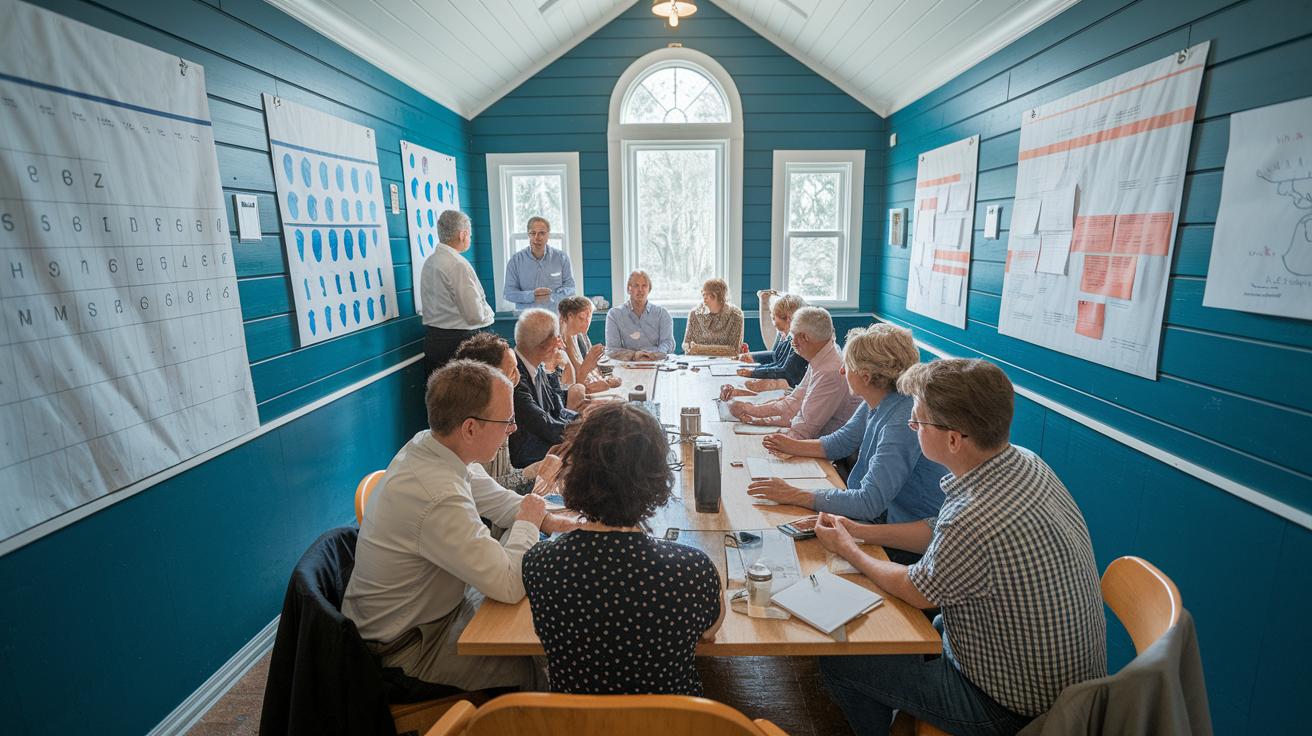
Education lays the groundwork for how we understand and engage with our communities. When we learn about our rights and responsibilities early on, we're more likely to step up and take part. A strong civics curriculum shows us that being active in public life is not only our duty but also a great opportunity.
But there's a big hiccup: many places fall short when it comes to teaching civics well. Only 7 states require a full year of civics in K-12, so a lot of students miss out on learning the basics needed for active citizenship. Without this essential knowledge, young people can feel overwhelmed or detached from civic matters, leading to low voter turnout and participation.
This gap in education leaves many people unclear about how government decisions impact their daily lives. In communities where civic lessons are scarce, residents often feel lost about how to influence local issues. Not only does this hurt individual engagement, but it also weakens the community's overall ability to hold public officials accountable.
In short, when the teaching of civics is limited, people are less equipped to get involved, and community participation suffers.
Digital Exclusion in Civic Engagement Challenges
Digital exclusion is a major hurdle when it comes to taking part in local civic life. Many people aren’t comfortable using online platforms for important talks or decision-making. They often find digital tools confusing, leaving them feeling cut off from the discussions that shape their neighborhoods.
New data shows that gaps in technology access really do affect civic engagement. In families making less than $30,000 a year, only 60% have broadband, unlike the overall 93% connectivity rate. Young folks in these households miss out on community conversations because their digital access is limited. And then there are digital echo chambers that keep people stuck with one narrow view, blocking out different opinions. One surprising example comes from a low-income community where a young adult mentioned he only learned about key local updates after switching from an online news source to a community bulletin board. This tells us that depending only on digital methods can leave many people behind, especially those already facing economic and cultural challenges.
A blend of digital and old-school outreach methods can turn the tide. Using online tools alongside traditional approaches like paper surveys helps create a more inclusive environment. This way, every community member has the opportunity to share ideas and play a role in local decisions.
Trust and Representation Issues in Civic Engagement Challenges

Trust is the backbone of community action. Many folks feel ignored when decisions come from a handful of people. They worry that leaders are not really listening to everyone’s opinions. Over time, this disconnect makes residents wonder if sharing their thoughts will ever make a difference. And when trust falls, overall participation suffers, weakening the very bonds that hold communities together.
Recent findings bring some stark truths to light. Many minorities report facing cultural or language barriers, 80% of Black, 76% of Hispanic, and 70% of Asian individuals have experienced discrimination. These numbers reveal that bias in civic systems not only sidelines vulnerable groups but also lets a small elite steer decisions without proper oversight. When democratic institutions miss out on the full range of voices, government accountability takes a hit, leaving many disillusioned with the process.
When only a small segment of the community is heard, policies often miss the mark. This narrow representation can lead to decisions that fail to address widespread concerns, further eroding social unity and the overall effectiveness of civic engagement.
Equity and Inclusion Gaps in Civic Engagement Challenges
Many community events struggle to be welcoming because of physical and language obstacles. Event spaces might not have ramps or accessible seating, so people with disabilities can be left out of important discussions. At the same time, if presentations are only in English, non-native speakers and local immigrants may miss key information. Imagine a town meeting where all the crucial details are shared in one language. A quick fix like offering translations can really boost participation. In fact, ensuring easy access and language support is essential for true civic involvement.
Underrepresented groups also face cultural and social barriers that limit their engagement. Often, community events follow old ways that do not accommodate diverse cultural and economic backgrounds. When only familiar voices are heard, many valuable perspectives get ignored. This imbalance stifles the overall impact and the strength of our democratic process.
Addressing Civic Engagement Challenges: Strategic Solutions
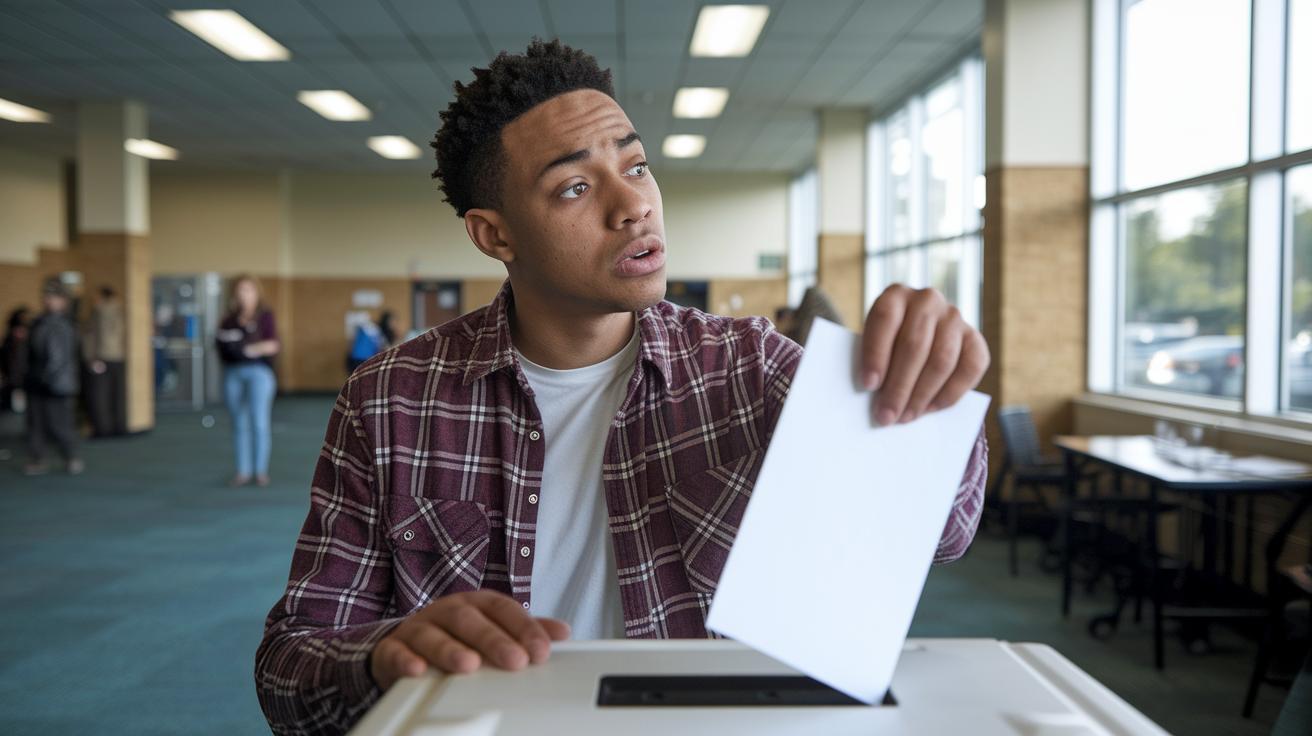
Civic engagement is at a turning point. Today, many communities struggle to get everyone involved in the conversation. When people feel like their voice isn’t making a difference, they tend to step back. For example, in some areas only 48% of young adults plan to vote, a clear sign that something needs to change.
Experts say boosting civic education and using technology in smart ways can make a big difference. Expanding civics lessons for both students and adults can give everyone the tools they need to participate. And by rolling out mobile apps and secure online portals, getting involved becomes easier. Plus, safe, moderated forums can help people with different viewpoints talk through issues openly.
Some strategic steps include:
- Strengthening civics education in schools and adult learning programs.
- Using mobile and hybrid tools that work both online and offline.
- Creating moderated spaces for open, cross-viewpoint dialogue.
- Introducing more convenient voting options and hosting community events.
- Launching programs like participatory budgeting and open-data initiatives.
Together, these solutions lay a clear path toward reengaging our communities. Solid educational programs set the stage for lasting involvement while modern tech tools bring engagement into everyday life. When respectful conversations are encouraged and voting becomes more accessible, every community member can feel heard. This, in turn, rebuilds trust and makes our democratic process stronger for everyone.
Final Words
In the action of addressing barriers to public involvement, the post outlined key issues such as trust deficits, digital gaps, and educational shortcomings. We walked through trust and representation statistics, along with data on civic education and digital access. The discussion also offered clear steps for strengthening participation and building transparent community processes. Together, these insights can help overcome civic engagement challenges and boost democratic participation. Embracing these strategies offers a hopeful path forward for an engaged and informed community.
FAQ
What are some barriers to civic engagement and community participation?
The challenges of civic engagement often involve secretive decision-making, limited public influence, and low trust, all of which reduce active community input and hinder effective democratic involvement.
What unique challenges do students face in civic engagement?
The challenges students face in civic participation include limited civic education, unclear civic responsibilities, and reduced opportunities to influence local decisions, resulting in lower motivation to engage in public policy matters.
Where can I find detailed resources on civic engagement challenges?
Detailed resources on civic participation are often available in PDF reports offering data and analysis on obstacles like digital access, education gaps, and trust issues, providing deeper insights on public involvement problems.
What examples illustrate civic engagement issues in America?
Civic engagement challenges in America are shown through statistics like low participation in local planning and mistrust in decision-making, indicating that community voices are often underrepresented in public policy debates.

