
Ever wonder if a single idea could reshape your community? Civic engagement policies invite everyone to share their thoughts and set the course for local change. Think of these policies as clear blueprints that turn everyday neighborhood talks into meaningful action. They open up the process and build trust among residents. By letting everyday voices be heard, these policies transform simple conversations into strong movements for progress and fairness.
Defining Civic Engagement Policy and Its Purpose
Civic engagement policy is a plan that invites community members to have their say in decisions that affect them. It sets up a clear blueprint for consulting the public, ensuring that everyone, no matter their background, gets a chance to help shape local and national initiatives.
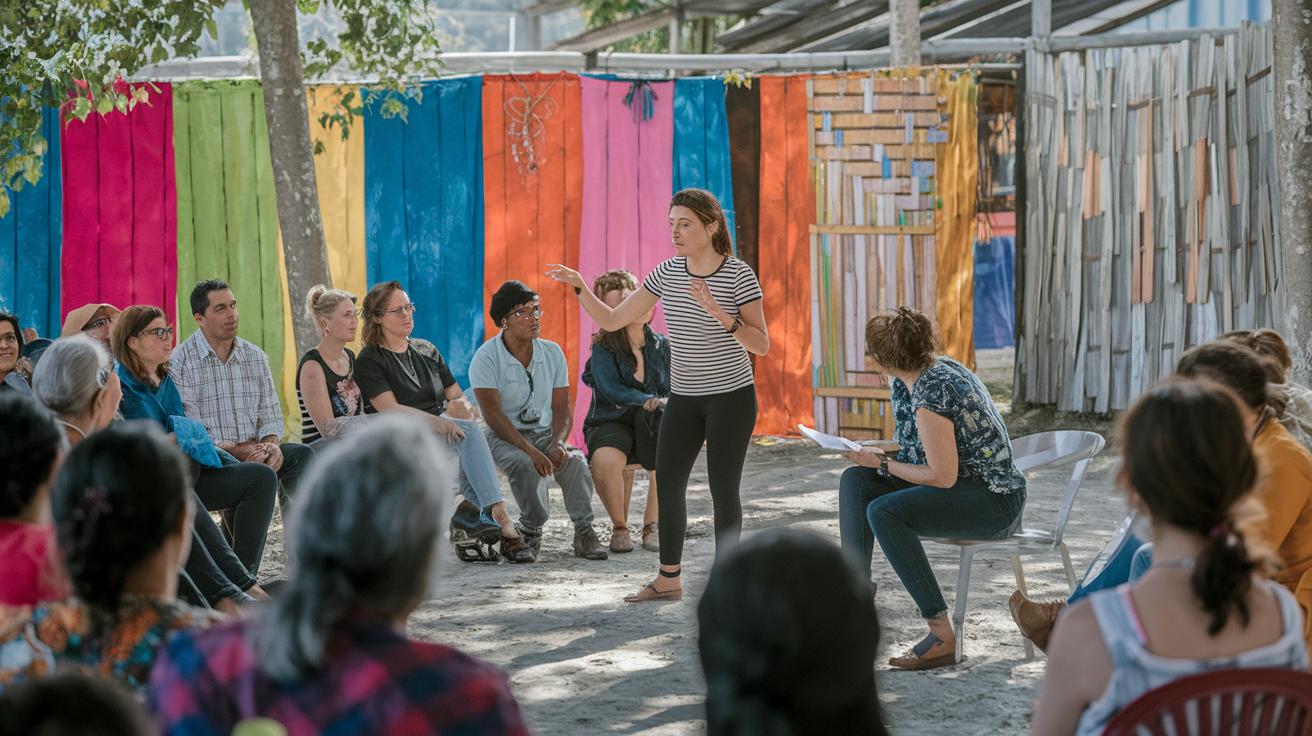
For instance, picture a town hall meeting where each resident is welcome to share ideas on improving local schools. This approach helps create a fair and accountable system by giving community voices a central role in decision-making.
The main goal of this policy is to boost citizen participation, enhance transparency, and promote inclusive government reforms. It uses strategies like group planning sessions that bring neighbors together to tackle big issues such as education, healthcare, housing, and the environment.
Imagine community centers where structured dialogues spark creative ideas and lead to meaningful changes. By setting clear agendas and building a collaborative framework, civic engagement policy helps forge strong communities that actively take part in shaping the future.
Legislative Context and Regulatory Framework for Civic Engagement Policy
Federal IRS guidelines lean on a vague facts and circumstances test, so nonprofits must be extra careful with any political actions. 501(c)(3) organizations, for instance, aren’t allowed to endorse or oppose political candidates. Instead, they focus on sharing unbiased election education that helps voters make informed choices. Each case gets looked at individually by IRS examiners, which can create some uncertainty for nonprofits venturing into public policy debates.
When you compare 501(c)(3) groups with social welfare organizations like 501(c)(4) ones and trade associations under 501(c)(6), the rules change quite a bit. 501(c)(3) groups must stick to strict nonpartisanship and center their work on education minus any political favoritism. On the other hand, 501(c)(4) organizations can take part in some political activities as long as those efforts stay secondary to their main mission. Trade associations under 501(c)(6) have similar allowances; they too can engage in minor political work as long as it doesn’t overshadow their main purpose.
The Bright Lines Project brings a clear framework that cuts through the confusion. It sets specific, measurable steps and defines what’s allowed when it comes to political activities, so nonprofits can engage in policy conversations without fear of overstepping legal limits. By outlining these definite guidelines, the framework boosts policy transparency and ensures that political activity remains a side note to an organization’s core work. For more details on nonprofit guidelines, check out the resources available at the center for civic engagement.
Strategies for Implementing Civic Engagement Policy
Today’s policy leaders are using data-driven tools to map out effective electoral mobilization plans. One standout tool is the Youth Electoral Significance Index, also known as the RAYSE Index. It highlights areas where young people show strong interest in issues like education, healthcare, and housing. In simple terms, this index tells us where youth are most active and what they care about. For instance, in some areas, using the RAYSE Index for targeted outreach has boosted youth participation, reenergizing local politics. It’s a clear sign that data-guided strategies can have a real impact on mobilizing voters.
Voter education and involving community stakeholders are also key pillars of civic engagement. Crafting these educational campaigns means blending clear, simple information with interactive sessions, much like those offered by the Center for Information & Research on Civic Learning and Engagement. These efforts break down complex ideas into everyday language, inviting community members to play an active role in decision-making. Picture a workshop where local leaders explain election rules in plain language, giving every voter a solid grasp of their rights. This hands-on approach not only builds trust but also ensures that different voices in the community are heard.
Local discussions, community seminars, and shared planning sessions make civic engagement more inclusive and empowering. Think of a grassroots forum as a safe gathering spot where residents openly discuss their challenges, swap ideas, and set community priorities. Meanwhile, community seminars offer interactive learning, and participatory planning sessions bring citizens and policymakers together to shape local action. Imagine a neighborhood seminar where conversation flows freely, and every idea sparks a step toward real change. These formats turn policy into action, helping everyone play a part in creating a vibrant and inclusive civic life.
Case Studies and Examples of Civic Engagement Policy in Action

Before these programs, voter turnout in some districts was incredibly low. But once these targeted initiatives kicked in, the changes were almost miraculous. Case studies show how clear, structured policies can give communities the power to grow.
Take the RAYSE Index youth outreach pilot from 2018 and 2022. This program focused on getting young people to vote in key districts and lifted youth turnout by 12%. Then in 2023, the Bright Lines Project helped nonprofits gain a clearer path for educating voters. Four statewide nonprofits improved their election education activities by 40% while staying within legal limits.
These examples remind us that when efforts stick to clear, measurable rules, communities feel more empowered to join the decision-making process. It shows that effective civic engagement policies can truly drive community change.
| Initiative | Focus Area | Key Stakeholders | Outcome |
|---|---|---|---|
| RAYSE Index Youth Outreach Pilot (2018 & 2022) | Youth voter mobilization | Local voters, schools, community groups | 12% increase in youth turnout |
| Bright Lines Project Nonprofit Policy Pilot (2023) | Nonprofit regulation clarity | Four state nonprofits, policy advocates | 40% increase in educational election activities |
Benefits and Challenges of Civic Engagement Policy
Civic engagement policies can bring many positive changes to communities. They may help improve student performance, boost emotional well-being, and build strong workplace skills. These policies often encourage local ties that make neighborhoods feel connected and lively.
But it’s not all smooth sailing. Sometimes, marginalized groups still feel left out. Unclear policies can leave people unsure about how to get involved. Limited resources might slow down new projects, and gaps in political accountability can make it hard to ensure everyone benefits.
Ultimately, these policies offer a real chance for civic renewal and fair representation if we tackle these challenges head-on. It takes continuous tweaks and honest review to balance the benefits with the obstacles. With steady attention, civic engagement can lead to lasting, measurable improvements across diverse communities.
Best Practices for Strengthening Civic Engagement Policy

Clear guidelines and simple rules set the stage for strong civic engagement. The Bright Lines Project shows how using straightforward analytical tools and regular feedback helps guide policymakers to improve community empowerment efforts. When agencies adopt these methods, they follow a reliable plan that values input from all stakeholders and builds in key analytical checkpoints. For instance, local advisory boards often organize civic talks to review and tweak policies so that every community member, from people of color and immigrants to low-income residents, gets a chance to speak up.
Local reform methods also play a big role in boosting civic engagement. Measures that promote policy openness and inclusive governance can build real trust among community members. By establishing regular transparency reviews and hosting leadership training sessions that welcome everyone, policymakers can adjust their plans as needed. This ongoing process, which draws on lessons learned from past changes, ensures that reforms stay connected to community needs while inviting a broad range of voices into the conversation.
Final Words
In the action of shaping communities, we broke down the idea of civic engagement policy and its role in promoting diverse, clear participation. We explored legal frameworks, rollout strategies, and real-world examples that highlight how these plans boost citizen input and fairness.
The post also weighed benefits against challenges and shared practical steps to make civic engagement better. With continuous commitment, this approach can spark positive change for everyone.
FAQ
What are some examples of civic engagement policy templates, PDFs, and examples?
Civic engagement policy templates, PDFs, and examples are structured guides that outline responsibilities, procedures, and best practices for involving citizens. They serve as blueprints for creating clear and inclusive public participation strategies.
What are some practical examples of civic engagement?
Practical examples of civic engagement include community meetings, public consultations, volunteer initiatives, and advisory boards. These activities give citizens a direct role in local decision-making and help strengthen accountability in governance.
What does a civic engagement policy for students entail?
A civic engagement policy for students outlines strategies to involve young people in decision-making. It typically promotes student participation in school governance, community projects, and educational programs aimed at developing active citizenship.
Why is civic engagement important?
Civic engagement is important because it empowers citizens, bolsters democratic values, and improves accountability. Engaging people in decision-making helps build informed communities that actively influence public policies and societal development.
What are the different types of civic engagement?
Different types of civic engagement include political participation, community involvement, and social advocacy. These categories cover activities such as voting, local volunteering, and organizing public awareness campaigns that mobilize community action.
Why is civic engagement declining?
Civic engagement is declining due to growing distrust in institutions, fewer participation opportunities, complicated political processes, and general social disconnection. This trend challenges the active involvement that strengthens democracy and community ties.
What is a citizen engagement policy?
A citizen engagement policy is a strategic document that guides how governments or organizations involve the public in decision-making. It establishes clear, transparent procedures to ensure citizens can influence public affairs and contribute to policy development.
What is the concept of civic engagement?
The concept of civic engagement involves encouraging citizens to participate in political, community, and social activities. It promotes an inclusive, collaborative approach to decision-making that helps shape policies and improve societal outcomes.
What are the three main types of civic engagement?
The three main types of civic engagement are political participation, community involvement, and social advocacy. Each type focuses on different aspects, from voting and public service to organizing campaigns and community improvement initiatives.

