
Have you ever thought a small act of service could change your town? Civic engagement programs show us that tiny efforts can lead to big changes. They give everyone, from students to local residents, a chance to work on real projects that boost teamwork and open up better ways to talk with one another. These programs remind us that everyday volunteer work not only strengthens our democratic process but also builds a close-knit community. In simple ways, they empower people to make positive changes in their neighborhoods and even beyond.
How Civic Engagement Programs Strengthen Community Participation and Democracy
Civic engagement programs give people a clear way to get involved in their communities and help shape democracy at local, national, and international levels. They open up opportunities for volunteering and encourage everyone to join in public life. The Center for Leadership and Community Engagement sets a great example by sending out weekly updates on upcoming chances to participate, organizing group projects, and connecting different departments and student groups.
These programs help build real-life skills by promoting activities like public forums, local volunteer events, and community workshops. For example, some programs include training on how to organize local debates, host community meetings, or even do door-to-door outreach. Before joining a community clean-up, many volunteers never imagined that one small project could spark broader civic involvement.
Not only do these initiatives boost volunteer work, but they also guide people into active roles in democracy. They bring participants together for real-world projects that require teamwork and clear communication. Whether planning neighborhood improvements or joining policy discussions, these activities build confidence and a shared sense of responsibility. In short, civic engagement programs are key to shaping well-rounded citizens who see how their small actions help keep democratic dialogue strong and communities vibrant.
Key Features of Successful Civic Engagement Programs
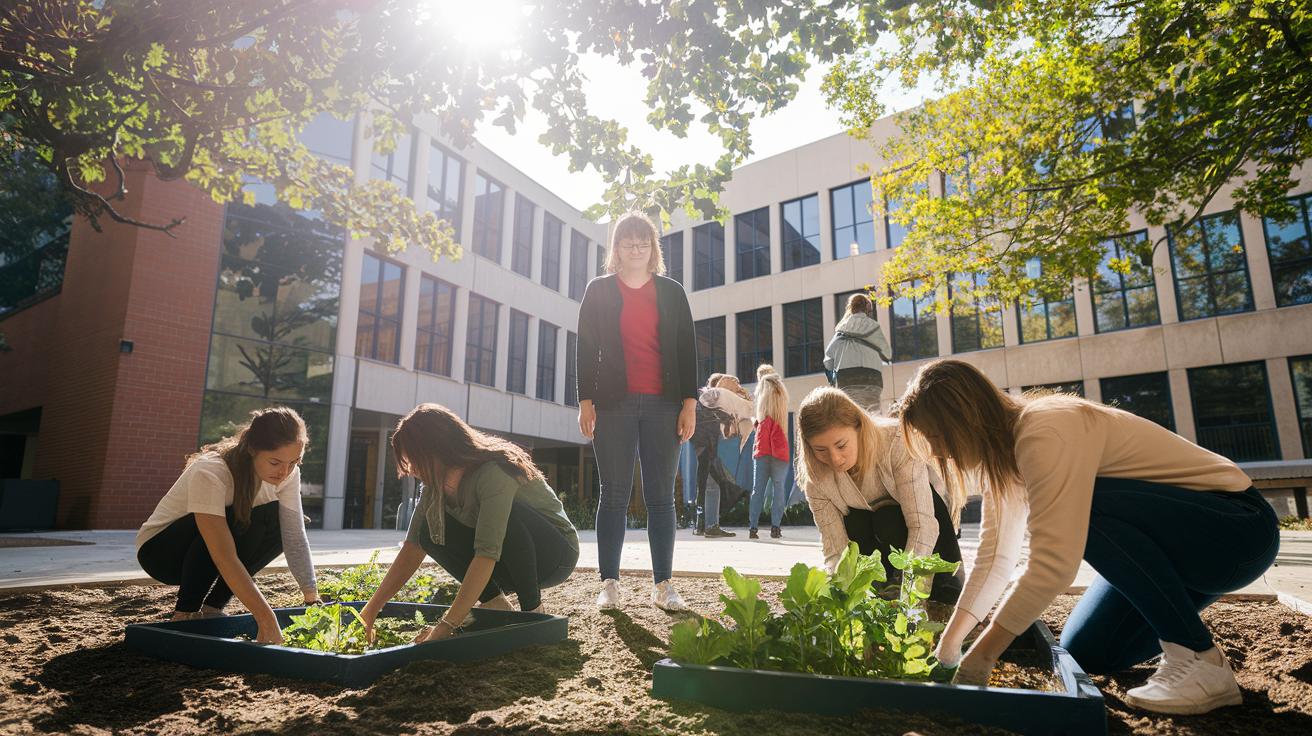
Successful civic engagement programs spark a spirit of active participation across campus. At the Center for Leadership and Community Engagement (CLCE), students, alumni, parents, and local community members team up on projects that matter. Whether you’re new to civic work or already an experienced volunteer, clear eligibility rules guide everyone eager to make a difference.
These programs use a hands-on approach that keeps everyone in the loop. For instance, weekly digests might say, "Join us this week as we work with municipal partners to improve local community spaces." Such updates ensure everyone is well-informed and ready to help. And when programs team up with local government and public agencies, as highlighted in the article "how local government supports community events" (https://baretnews.com?p=28085), the decisions made are truly by the community, for the community.
Every participant has a role. Students often lead projects, while parents and alumni share their experience, and community partners provide support and advice. With clear communication and well-defined roles, these programs build a strong foundation for a better democracy that leaves a lasting impact and invites everyone to join in civic life.
Civic Engagement Programs: Empowering Community Impact
Youth Participation Initiatives
High school and college students get real-life practice to learn civic skills. They jump into activities like mock elections, drafting class constitutions, and working on civic journalism projects. These hands-on tasks help them see how government works. For example, a mock election shows how ballots are counted and brings democracy to life. Imagine creating a class constitution as a fun way to build important skills.
Government Service Campaigns
Many programs invite everyday citizens to help make government work better. Activities include voter registration drives, public policy fellowships, and engaging discussion workshops. Some even involve door-to-door canvassing to spread the word about voting and local issues. This kind of work reminds everyone that their voice matters and offers a straightforward way to take part in decision-making.
Community Action Projects
Local communities shine when people team up on improvement projects. Service learning classes and community projects can cover everything from neighborhood clean-ups to cultivating community gardens. These tasks not only fix local issues but also create a strong sense of belonging. When students and volunteers work together, they see firsthand how personal effort builds a better community.
Academic and Faculty Engagement
Universities are blending classroom lessons with real-world civic work. Faculty lead service-learning courses and host public events to turn theory into practical action. This mix gives students a chance to learn while making a difference in their neighborhoods. Professors often share insights on local challenges, encouraging students to see civic responsibility as part of everyday life. In doing so, the line between learning and action blurs into one shared effort.
Eligibility and Application Process for Civic Engagement Programs

Programs like CLCE have set firm deadlines and clear steps for first-year, transfer, and second-degree students. Community partners and alumni are not left out, they have their own tracks to join volunteer projects and take part in educational outreach. Each week, digests share important deadline updates so everyone can stay in the loop and be ready to contribute.
Before applying, candidates need to gather a few key documents. You’ll typically need a completed application, a personal statement, and letters of recommendation. These materials help the evaluators see how you can add value to the civic engagement strategy. Follow the detailed instructions that come each week, as they guide you step-by-step through the process.
Key steps in the application include:
- Submitting your application online by the specified deadlines
- Preparing all supporting documents like essays and recommendation letters
- Checking the weekly digests for any new opportunities or timeline changes
Every candidate who meets the requirements is encouraged to review the weekly digest carefully and follow the instructions without missing any detail. Before applying, many students are surprised to see how a clear, step-by-step approach can make a once-daunting process feel like an open door to meaningful civic action.
Case Studies of Impactful Civic Engagement Programs
Real-life projects clearly show how these programs spark change in communities and encourage more people to get involved in democracy. Take Northwestern’s CLCE weekly digest, for instance, it brings people together by sharing local civic events and updates that get the conversation rolling. Then there's the Alternative Spring Break program, which gives students a chance to swap classroom time for hands-on volunteer work that leads to noticeable improvements and repairs in local neighborhoods. Also impressive are the Bonner Members community projects. These initiatives have had real, measurable results by getting students and local partners working together to boost neighborhood spirit and civic confidence.
Each of these stories shows how organized volunteer efforts can have lasting benefits for local areas. They offer clear, easy ways for people to get involved, which not only builds civic knowledge but also strengthens the bonds among neighbors. It's a reminder that well-planned community engagement programs can inspire folks to take meaningful steps toward making their areas better. The table below highlights key details about these impactful projects:
| Program Name | Institution/Location | Primary Outcome | Year |
|---|---|---|---|
| CLCE Weekly Digest | Northwestern University | Increased civic participation | 2022 |
| Alternative Spring Break | Northwestern University | Hands-on community service | 2021 |
| Bonner Members Project | Chicago Area | Enhanced local civic engagement | 2023 |
Practical Advice for Initiating and Sustaining Civic Engagement Programs
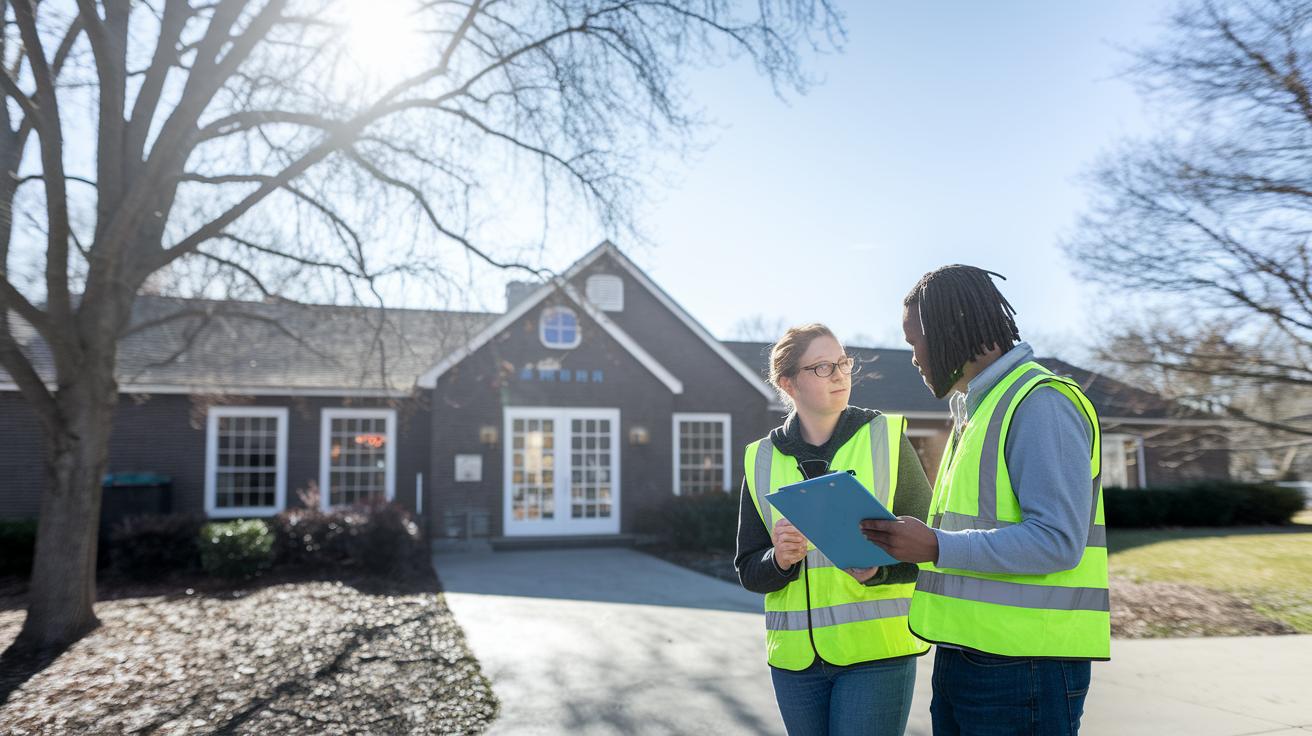
Starting a civic engagement program means forming strong bonds with local community groups and nonprofit organizations. Gather a team of volunteers and community partners who share a clear goal. Imagine a weekly update that says, "Join our local forum this week to share ideas and plan community projects." Simple messages like this help keep everyone involved.
Staying in touch is essential. Hold in-person meetings, send digital newsletters, and use community forums to share news and ideas. You might set up roles or fellowships to encourage long-term involvement, just like CLCE does. Another good idea is to create training sessions on active citizenship so people understand key parts of our democratic process.
Team up with other civic and nonprofit organizations to boost your outreach efforts. For more ideas on building these partnerships, check out the resource at building partnerships for community events.
| Action | Purpose |
|---|---|
| Host community forums | Foster regular discussions and idea sharing |
| Send weekly digests | Keep everyone updated on upcoming opportunities |
| Develop training sessions | Empower community members with active citizenship skills |
Using these clear steps and reliable communication channels, you can build and keep a strong program that makes a real difference in your community.
Final Words
In the action, the article showcased how civic engagement programs boost community participation and strengthen democracy. Key features, from active citizenship training to hands-on community projects, were highlighted with examples like the CLCE model. Practical advice such as clear application steps and ongoing collaboration underscored the value of well-organized initiatives. This discussion leaves readers with practical insights and steps to drive change and foster civic unity with civic engagement programs.
FAQ
Q: What is a civic engagement program?
A: A civic engagement program means organized initiatives that encourage citizens to take part in community service and public discussions. These programs build volunteerism and strengthen community and democratic ties.
Q: What are examples of civic engagement, especially for students?
A: Examples of civic engagement for students include service-learning courses, community action projects, and student-led local initiatives. These activities let students develop civic skills and actively contribute to community improvement.
Q: Why is civic engagement important?
A: Civic engagement is important as it builds community connections and allows citizens to participate actively in decision-making. It strengthens democracy by empowering individuals to influence local policies and volunteer for community needs.
Q: What are civic engagement programs for youth?
A: Civic engagement programs for youth feature activities like mock elections, classroom projects, and civic journalism that teach young people about government responsibilities and community service, fostering early active citizenship.
Q: What are some civic engagement programs in California?
A: Civic engagement programs in California include local voter registration drives, college-community partnerships, and initiatives linking schools with nonprofits. These programs boost local participation and enhance community well-being.
Q: What are civic engagement organizations?
A: Civic engagement organizations are groups that organize projects and events to bring citizens together for community challenges. They play a key role in hosting programs, forums, and volunteer activities to support local participation.
Q: What topics are covered in civic engagement programs?
A: Civic engagement programs cover topics such as community improvement, public policy, volunteer initiatives, and leadership development. These topics help participants understand and address local and national community issues.
Q: What are the types of civic engagement, such as the three main types?
A: The types of civic engagement include volunteerism, community participation, and policy advocacy. These forms allow citizens to get involved by offering service contributions, engaging locally, or influencing government decisions.
Q: What is civic engagement software?
A: Civic engagement software refers to digital tools designed to manage community projects, track volunteer efforts, and facilitate communication between citizens and public agencies. It simplifies the organization and transparency of engagement initiatives.

