
Is our economy finally shifting gears? Recent reports show that inflation is slowing, and people are spending more money. There are even signs that interest rates could drop while investments in clean energy and new technologies begin to grow. This blend of easier finances and fresh opportunities might help balance the gap between job openings and available workers. If these trends continue, we could see more positive outcomes for both businesses and everyday consumers.
Economic trends brighten market prospects
Inflation has cooled off a bit, and many are hoping for a soft landing as hints of potential Fed rate cuts emerge after the past 18 months. Consumer confidence is on the upswing, marked by a 2.5% boost in spending, even though household debt remains a worry. The real estate market is showing modest gains despite low inventory and high borrowing costs. Plus, climate disasters keep hitting both local and global economies, prompting policymakers to revisit their risk management plans.
Across the U.S., labor shortages are reshaping the market. There are 9.5 million job openings compared to only 6.5 million workers available. Investment is shifting toward fresh areas like green energy and generative AI infrastructure, which powered 59% of real GDP growth in the first half of 2025. The creator economy, now valued at $250 billion, could nearly double to $480 billion by 2027. These shifts, combined with changing spending and healthcare needs across different generations, are redrawing market trends. For the latest global updates, check out Global Markets Today.
- Easing inflation with expected Fed rate cuts
- Growing consumer confidence and a 2.5% rise in spending
- New investments in green energy and generative AI
- Persistent labor shortages impacting market dynamics
- Shifting spending habits and policy pressures across generations
Top executives and policymakers are watching these trends closely. They’re juggling the push for innovation in emerging sectors with the need to address labor market gaps. Companies are rethinking how they invest and operate, while government actions aim to smooth out market imbalances and foster sustainable growth in an ever-evolving economic landscape.
Historical Economic Trends and Policy Evolution

National policies have been shaped by the natural ups and downs of our economy. Past downturns and recoveries show us how market changes and government decisions mix together. Even back in early days, the shifts in the economy set the stage for policies that we can still see affecting decisions today.
Looking at tariff history tells a clear story about trade shocks. U.S. average tariffs have climbed to 18%, a level not seen since the early 1930s, a reminder of the trade barriers during the Great Depression. These increases pushed businesses and lawmakers to adapt quickly, sparking big shifts in industrial production and how consumers act. Later on, similar changes in tariffs led to economic slowdowns followed by gradual recoveries. It’s like a ripple effect: when trade shocks hit, they often set off wider changes in government spending and job markets.
The Federal Reserve’s policies have also taken a more flexible turn over time. For years, interest rates set by these discretionary policies stayed lower than what rule-based models, like the Taylor Rule, would suggest. This shift marks a departure from a predictable formula to a more dynamic approach in managing our economy.
Economic trends brighten market prospects
Recent numbers show that the economy is changing. Experts look at GDP, inflation, and job market data to understand how confident consumers are, where labor is tight, and how investments are moving.
GDP trends point to business growth and shifts in investments. A steady rise in GDP often means a lively market and more spending by households. For example, a consistent 2.5% boost in consumer spending, even with high household debt, signals strong activity.
Inflation is on the rise too. In July, the consumer price index went up by 2.7%, and core inflation hit 3.1%, the fastest increase since February. It’s like a thermometer: when the numbers climb quickly, it warns that prices might be overheating, nudging businesses to rethink their pricing.
Job data shows small shifts in employment. Unemployment inched up from 4.1% in June to 4.2% in July, partly because fewer people were in the labor force. This minor change hints at evolving job market stability.
When these pieces come together, they offer a clear picture of the market. Steady GDP growth, moderate inflation, and slight changes in employment help analysts understand how different economic factors work together to shape today's market.
Regional Economic Trends: U.S., China, and Beyond
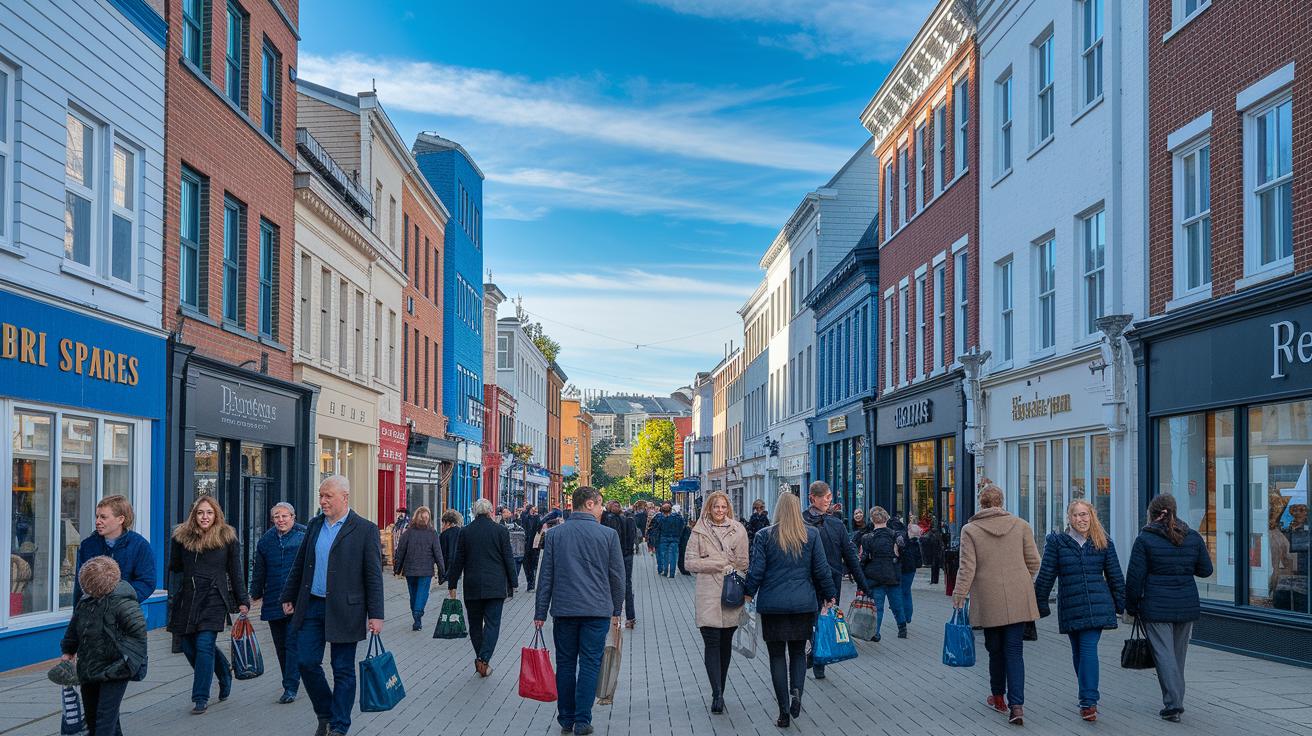
Right now, the economic landscape shows different paths for various regions. Shifts in work, spending, retail, and investment help us see mixed results in both developed and emerging markets.
Trends in the United States
Recent data tells us that fewer people are joining the labor force, which pushed the unemployment rate to 4.2% in July. Still, consumers are spending steadily even with these challenges. Even though fewer folks are at work, the steady spending hints at strong demand beneath the surface. This means that old market signs are changing, and companies are adjusting their strategies accordingly.
Trends in China
Over in China, retail sales in July have grown by 3.7% compared to last year. Sales of household appliances spiked by 28.7%, thanks in part to government help to boost buying. Yet, investments in property and fixed assets are slowing, showing some caution in the industry. This mix of trends gives China a unique economic balance, where government support mainly drives consumer demand even as broader investments slow down.
Looking further, emerging markets show that global factors and local conditions continue to shape how economies perform around the world.
Emerging Economic Trends in Technology and New Sectors
Generative AI's Growth Impact
Generative AI is shaking up how companies plan and invest in digital tools. Its rise reminds us of those early experiments that changed everything. Think about Marie Curie, back then, she once carried test tubes with radioactive material in her pockets, not knowing how risky that was. Small, daring steps like her experiments can lead to major breakthroughs that push leaders to rethink their tech strategies.
Surge in Green Energy Investments
Companies are shifting their focus by funding more sustainable projects. They’re weighing the benefits of smart financial moves alongside a commitment to the environment. Business leaders are now building cleaner infrastructure into their long-term plans, showing a deep commitment to our planet. Many see these green investments as a practical way to build stability in an unpredictable market.
Expansion of the Creator Economy
The creator economy is turning the old business playbook on its head by letting creative individuals turn passion into profit. Social platforms have become springboards for fresh ideas that challenge traditional models. This change is prompting both policymakers and investors to update their approaches. It’s clear that creativity is not just an art, it’s a powerful force driving economic change.
Economic Trends Forecast: Fiscal and Policy Projections

Policymakers and business leaders are keeping a close watch on shifts in spending and monetary rules as they try to predict what the future holds. Many now expect a smooth economic landing, helped along by lower inflation and hints of Fed rate cuts over the last 18 months. This positive outlook comes as part of a broader belief that smart changes in government spending could make market transitions a bit easier in the years to come.
Fiscal policies are breaking new ground. Right now, the U.S. average tariff rate sits at 18%, a figure not seen since the early 1930s. New tariffs, with rates of 15% on EU goods and 25% on imports from India, are stirring up plenty of debate in trade circles. Back in the day, tariff hikes often pointed to big changes in trade patterns and economic strategies. Today, these moves are prompting companies to rethink their supply chains, while officials balance the goal of protecting local industries against the reality of higher prices for consumers. All of this invites a closer look at how such trade policies could influence overall economic stability.
Monetary policy discussions remain a hot topic. Experts are still debating whether strict, rule-based methods, like the Taylor Rule, are more effective than the Fed’s flexible tactics. Forecasts for economic recovery suggest that a mix of these monetary measures with thoughtful fiscal adjustments might help keep growth on track. Yet, many questions remain, and as investors take another look at their portfolios, even a tiny shift in Fed policy could ripple through the market in unexpected ways.
Looking ahead, long-term economic forecasts point to two key factors: ongoing geopolitical tensions and the rapid pace of generative AI innovation. These forces are expected to play a major role in shaping global fiscal plans and monetary policies, challenging decision-makers to strike a balance between a cautious recovery and bold, strategic moves in an ever-changing economic landscape.
Final Words
In the action, today's report covered a mix of market shifts and policy decisions. Key drivers included:
- Easing inflation and anticipated rate cuts
- Increased consumer spending
- Modest real estate growth
- A booming creator economy
- Rising green energy and generative AI investments
These economic trends guide strategic moves by companies and lawmakers alike. The blend of these forces sets a hopeful tone for the future, encouraging thoughtful decisions and continuous progress.
FAQ
What does the term “economic trends” mean?
The term economic trends means patterns in how key indicators like GDP, inflation, and consumer spending change over time. These examples help businesses and policymakers gauge overall economic health.
How do economic trends affect business?
Economic trends affect businesses by influencing consumer confidence, spending habits, and investment flows, guiding companies to adjust strategies, manage risks, and drive growth.
What are current economic trends globally and nationally?
Current economic trends include easing inflation, rising consumer spending, and shifts in labor markets. These trends are observed both globally and in the U.S., impacting policy decisions and market strategies.
What economic trends can we expect by 2025 and over the next five years?
Economic trends for 2025 and the next five years may feature softer inflation, rate adjustments, and market shifts driven by green energy projects and generative AI investments, influencing long-term growth forecasts.
What is Trading Economics and how does it contribute to analyzing economic trends?
Trading Economics provides data and forecasts on market shifts, giving users a clear snapshot of national and global economic trends. It is a useful tool for understanding current and future economic conditions.

