
Have you ever wondered if one person’s voice can change a community's direction? Getting involved shows that politics isn’t just for a select few. When people join local meetings or neighborhood groups, they keep leaders in check and help make government work better for everyone. This kind of active participation sparks real progress and gives communities a chance to shape the rules that affect their daily lives. In short, when we all pitch in, democracy really lives up to its promise of fairness and openness.
Civic Engagement’s Impact on Democratic Governance
Civic engagement means getting involved in community, government, and social activities that help everyone. It gives each person a chance to influence decisions that affect their own lives and the future of their neighborhoods. For a simple explanation, check out "What is civic engagement" at https://baretnews.com?p=28338. At its core, active citizenship shapes policies, makes governments more responsive, and builds trust.
When people join community meetings, public forums, or local volunteer groups, they help keep public officials on track. They watch how decisions are made and push for openness. This involvement not only steers policy but also strengthens ethical governance. For example, think about a small town committee that started showing up at public meetings. Before they got involved, decisions were made quietly behind closed doors. Once residents began speaking up, communication improved and the community saw better results.
Active participation also leads to practical actions like:
| Action | Description |
|---|---|
| Community forums | Gather to discuss how policies affect everyone |
| Monitoring government actions | Keep an eye on decision-making to ensure openness |
| Local networks | Work together to solve problems at the grassroots level |
These actions allow citizens to shape laws and keep government decisions in tune with public needs. By encouraging informed involvement, civic engagement strengthens democracy and makes sure that every voice is heard.
Ensuring Political Accountability Through Citizen Involvement
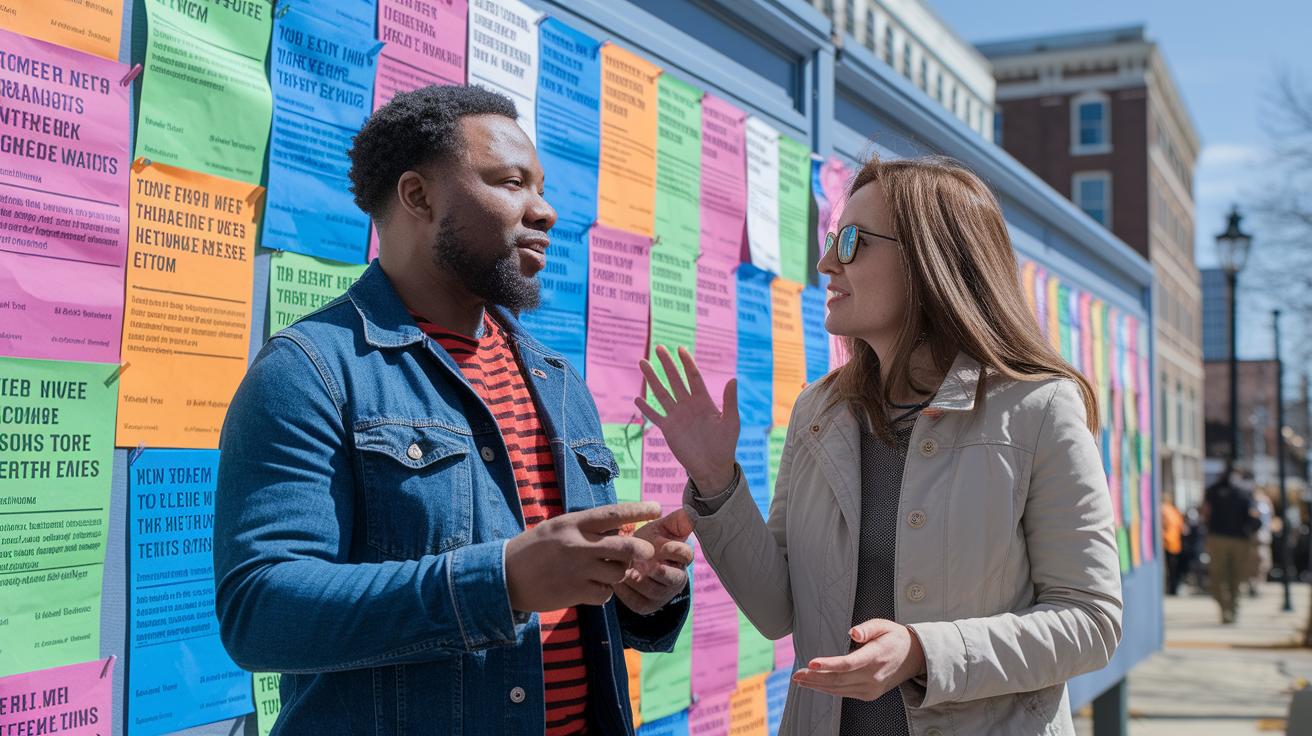
Citizen involvement is key to keeping our government open and honest. When everyday people watch decisions and push for free access to information, public officials work harder to do the right thing. Local groups check on budgets and track policy changes, making sure leaders stay true to their promises.
Election oversight is another important area. Volunteers step in to watch polling places to ensure every vote is counted correctly. They work quietly behind the scenes to prevent voter suppression and spotting mistakes or intentional errors. This active watch helps boost trust in our public institutions.
Coalitions like Michigan United show how community efforts can protect our democratic process. When diverse groups come together, they prove that every vote matters and that leaders should always be held accountable. By keeping a close eye on government actions, engaged citizens help build a system that works for everyone.
Shaping Public Policy With Participatory Processes
Participatory governance gives everyday people a chance to shape the rules that affect their lives. Across the nation, residents join forums, referenda, and coalitions to influence local budgets and regulations. One local resident said, "Before our town council meeting, I never imagined that my suggestion could change the funding priorities in education." Moments like these show how powerful it is when people feel heard.
Organizations like Taking Back Our Power and Care Over Cost highlight how focused grassroots campaigns can drive change and boost political honesty. They use a method called relational organizing, where everyday conversations grow into coordinated efforts. By building strong networks through personal interactions, citizens ensure that policies truly reflect community concerns.
Mobilizing even a small group can lead to big results. In Michigan, a collective effort involving about 3.5% of the population made a real impact on local legislation, budget priorities, and regulatory rules. In one case, a series of community meetings rallied support for revamping local transportation policies, proving that united voices can steer important decisions.
When citizens engage in creating policy, they help keep government clear and accountable. Their active involvement sparks a ripple effect, continuously shaping decisions at local and even national levels. In essence, open discussions and public participation not only improve governance, they spark progress that benefits everyone.
Grassroots Mobilization and Community Organizing in Democracy

Grassroots mobilization is all about sparking local change with real community power. Local leaders face tough challenges like volunteer exhaustion, tight budgets, and the constant need to build lasting trust. They are trying fresh ideas such as digital coordination and rotating roles to keep the energy high and efforts steady.
In Rivertown, a digital door-to-door campaign increased voter registration by 25%. This example shows that mixing online tools with personal conversations can energize a community. After a casual coffee chat, one resident even arranged a meeting that led to changes in local public safety, proving how small actions can have a big impact.
This new focus on tackling obstacles adds fresh insight to civic engagement. Grassroots efforts now stress clear communication, smart local fundraising, and frequent community meetings to maintain momentum and foster trust.
| Challenge | Response |
|---|---|
| Volunteer Fatigue | Introduce rotating roles and scheduled breaks |
| Scarce Funding | Increase resources through local events and partnerships |
| Community Cohesion | Hold regular forums and update meetings |
Educating and Mobilizing Voters for Stronger Elections
Voter education gives people the tools they need to protect every vote. It helps citizens learn to check ballots just like a safety check. In civic programs, trained voters head to polling places to watch over the process and keep officials in line. For example, community workshops have shown that a simple, clear chat can really boost turnout. One volunteer noted, "Before volunteering during the election drive, I never realized how a simple outreach conversation could strengthen our community."
Organizers also stress that everyday conversations can become a powerful form of oversight. They train people to use these chats to build trust and transparency in elections. On October 1, 2024, a mobilization drive showed how thousands put these voter education techniques to work, tackling local issues and ensuring fair voting practices.
Leveraging Digital Platforms for Civic Participation

Digital political platforms are changing the way we connect with policy matters. Tools like Instant Input let people share real-time thoughts on proposals and government actions. Online discussions, social media efforts, and mobile apps now serve as virtual debates where opinions can be shared quickly, keeping the process clear and timely.
These tech tools reach far beyond traditional town hall meetings. They make sure every voice is heard, even by those who can’t show up in person. For instance, one message on a mobile app sparked a fast, lively discussion among residents, which even led to quick local policy tweaks. Such examples show just how powerful digital platforms can be in uniting different communities.
Fast information sharing speeds up everyday conversations, helping decision-makers notice trends in public opinion as they emerge. By relying on data, both big and small voices can help shape future policies. With online debates and live feedback, the barriers to joining in on political discussions are lowered, creating a more inclusive and active community ready to address local and national challenges with fresh energy.
Ultimately, digital platforms boost civic engagement and empower communities to push forward progressive changes in governance.
Addressing Barriers and Innovative Solutions in Civic Engagement
Many communities face challenges like inequality, voter suppression, and general disengagement that stop people from influencing decisions that shape their lives. New efforts show that mixing time-tested methods with modern ideas can break down these barriers. For example, one neighborhood combined small workshops with larger outreach events to connect with groups that often get left out, sparking fresh interest in local meetings. You might be surprised that in one area, a small group of citizens held a dialogue session that boosted voter turnout by 20% in just one election cycle.
Innovative ideas are also coming to life through focused outreach programs and school projects that tie classroom lessons to real-world decision-making. These projects invite students to take part in community matters, making learning more practical and engaging. At the same time, justice-focused activism is creating ways for the public to get involved that emphasize fairness and clear communication.
Effective steps include:
These steps show that by directly facing long-standing issues and embracing smart, new methods, communities can build lasting civic engagement. In doing so, everyone can feel empowered to help build a stronger, more inclusive democracy.
Real-World Examples of Civic Engagement Strengthening Democracy

Michigan United got citizens involved by getting 3.5% of state residents to watch over election processes. Before this push, many locals felt little connection to local politics. Now, their active participation has improved vote accuracy and boosted public trust, showing how organized civic action can strengthen our democracy.
Meanwhile, the coalition Taking Back Our Power along with the campaign Care Over Cost prove that community involvement makes a difference. At town hall meetings and community forums, everyday concerns turned into clear policy demands. This shift has led to improvements in areas such as environmental protection and healthcare access. One organizer shared that a simple discussion once sparked concrete policy changes, an example of how open dialogue leads to real reforms.
Together, these efforts demonstrate that whether it's through voter mobilization or encouraging open conversation between citizens and lawmakers, unified civic engagement brings about meaningful improvements in transparency, accountability, and public confidence.
Final Words
In the action, our discussion demonstrated how active citizen participation shapes policy and keeps government accountable. We saw examples of community organizing, election education efforts, and digital tools that bring people together. Each section highlighted ways citizens take part in democratic decision-making. These examples remind us that the role of civic engagement in democracy is key to building a transparent and responsive society. Positive changes start at the grassroots, promising a future where everyone contributes to real democratic progress.
FAQ
What are some examples of civic and democratic engagement?
Civic engagement includes volunteering at local events, attending community meetings, supporting grassroots campaigns, and participating in digital public discussions.
Why is civic engagement important to democracy and for citizen participation?
Active participation lets citizens shape policy, hold leaders accountable, and build trust in government, thus reinforcing the core values of a democratic society.
What are the different types of civic engagement?
Civic engagement ranges from direct community service and public debates to online forums and organized advocacy, all of which promote collective well-being.
Why might civic engagement be declining?
Factors like limited access to information, social apathy, and systemic barriers can lower participation and make it harder for communities to engage fully.
Why is civic engagement particularly important for youth?
Youth involvement fosters early leadership skills, encourages informed decision-making, and helps channel fresh ideas into community development and democratic renewal.
What is the role of civic responsibility and community engagement in a democratic society?
Civic responsibility and community engagement empower citizens to solve local issues, contribute to transparent policymaking, and reinforce a sense of shared accountability.
Where can I find credible articles on civic engagement?
Credible articles are published by trusted news outlets, academic journals, and nonprofit organizations that highlight the impact of citizen participation on society.

