
Ever wonder if young people are the real catalysts for change in their communities? Across neighborhoods and schools, teens and young adults are taking the lead to shape decisions that build stronger, more connected places.
Look at Jamie’s story. One determined teen can spark changes that ripple far beyond personal life and touch an entire community.
This article shows practical ways that youth civic engagement empowers bold voices and builds important skills. These skills help them influence policies and inspire growth.
Every small action can fuel big progress. In truth, each step taken by young people plays a part in a much larger movement for positive change.
Practical Approaches to Youth Civic Engagement
Young people have the power to change their communities and help shape big decisions by taking on various civic roles. Over the past 20 years, studies have found that when young folks get involved in public issues, communities grow stronger, schools see improvement, and social and emotional health gets a boost. For instance, at just 17, Jamie joined a local campaign and saw firsthand how a well-informed voice can spark change. That small but meaningful step shows how teen civic programs can ripple out to bring broader progress.
Civic participation means getting involved in topics that really matter, whether it’s fighting climate change or finding ways to reduce gun violence. Youth can join in through both organized paths and community-driven activities. They might take part in school civic programs, volunteer on community projects that educate and empower, or jump into group discussions and digital debates that make a real impact.
- School-based civic programs
- Community volunteer initiatives
- Policy discussion forums
- Digital activism platforms
- Youth-led advocacy campaigns
By taking advantage of these opportunities, young citizens can bridge gaps in civic education and bring their real-life experiences into public discussions. Recent election cycles from 2016 to 2024 show that when teens participate, they offer fresh insights on challenging issues. This active involvement not only fosters new leaders but also helps reduce long-standing social and economic gaps. Each initiative builds important skills, creates stronger networks, and gives youth a clear role in making sure policies meet the needs of everyone.
Role of Active Citizenship Education in Youth Civic Engagement
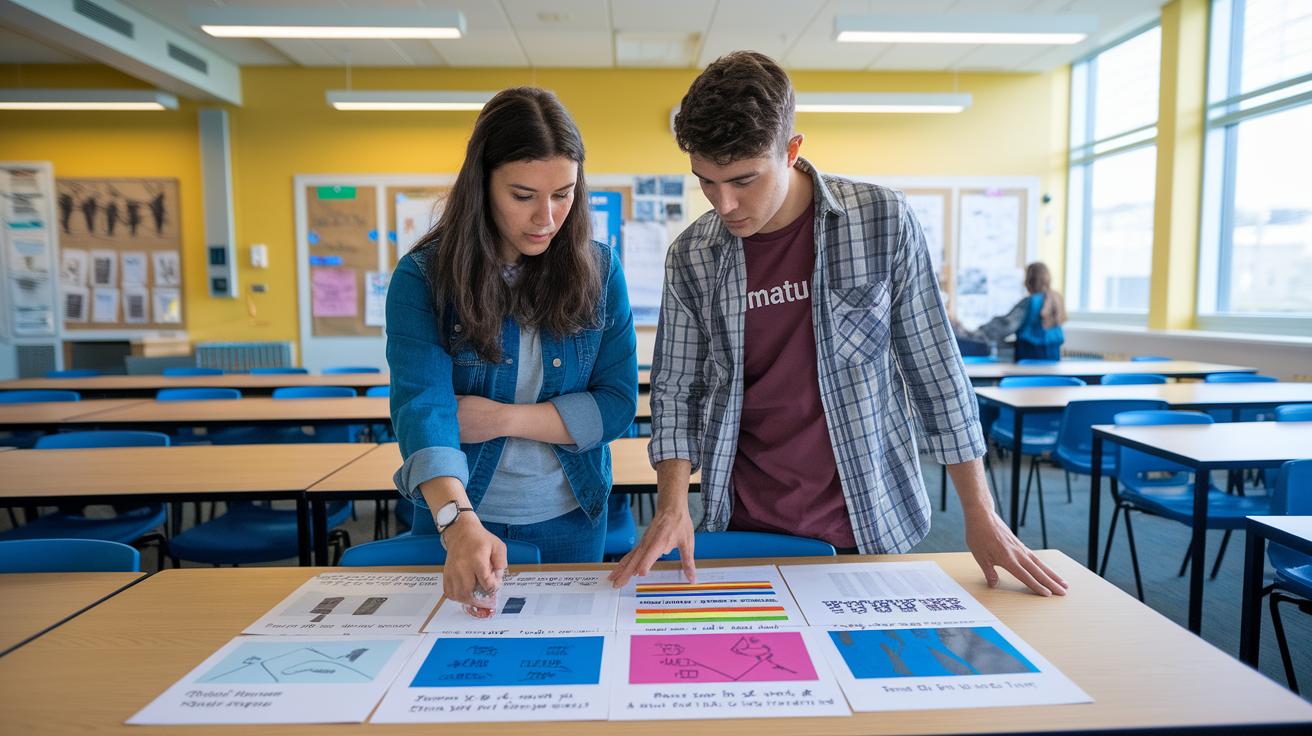
Structured education programs empower young people to become active citizens. In classrooms and on college campuses, formal civics lessons mix critical thinking with discussions on public affairs and important topics like climate change, system reforms, and digital innovation. They also cover life skills, economic opportunities, and mental health, turning academic learning into a journey toward community involvement.
Participatory workshops and future citizen events are key parts of these programs. In these interactive sessions, students debate democratic values and take part in activities that mimic real-life challenges. Through group projects and role-playing exercises, they build leadership skills and create strong peer networks, providing a safe space to question old practices and explore new ideas for local and national growth.
Active citizenship education instills purpose and self-confidence in young individuals. By learning how policies are made and understanding their civic rights, they feel more connected to the democratic process. The skills they gain often lead to better academic performance and deeper ties with their communities. Overall, these structured programs supply youth with the knowledge and assurance needed to make a positive impact on society.
Community Service and Volunteer Projects for Youth Civic Engagement
Community service projects give young people a real chance to tackle local challenges while learning practical skills. Teens get involved in areas like education, healthcare, the environment, housing, and social justice, which shows them how their efforts build a stronger community. It’s a hands-on way to see immediate results and discover leadership by turning ideas into practice.
Getting involved in volunteer work not only builds civic duty but also opens doors for future opportunities. Studies find that volunteering can lead to better grades, a boost in self-confidence, and tighter social bonds. Many nonprofits team up with youth groups to run these programs, offering clear routes to empowerment. Consider these common volunteer pathways that help nurture community service and social leadership:
- After-school tutoring programs
- Community clean-ups
- Food-bank and shelter support
- Environmental restoration projects
- Peer-mentoring initiatives
- Civic hackathons
- Local government ride-alongs
Taking part in these projects helps young people develop key leadership skills while making a difference in their communities. By working on real issues, they get a platform to share their views and spark change in areas that impact them directly. For instance, helping with environmental restoration might ignite a passion for city planning, while volunteering at a shelter can foster empathy and inspire social advocacy. These hands-on experiences motivate youth to continue driving positive change, laying the groundwork for a lifetime of civic engagement.
Political Literacy Workshops and Adolescent Policy Discussion in Youth Civic Engagement

Political literacy workshops put teens right at the heart of understanding how government works. They use hands-on tools like the Youth Electoral Significance Index and the RAYSE Index to track engagement as it happens. Teens pick up clear ways to break down campaign strategies and learn what referendums mean. These sessions give them the power to question old ideas and spark fresh debates on tough topics like gun violence and immigration.
Advocacy training for teens dives into the details of getting involved without picking sides. In these friendly, interactive sessions, students explore their civic rights and see how government really functions. Through mock debates and guided chats about policy, they discover how laws are made and why fair participation matters, a lesson that feels especially true looking back on recent election cycles.
Adolescent policy discussions give teens a real chance to speak up and make a difference. Facilitators create scenarios that mimic real legislative challenges, inviting young people to share bold ideas and suggest new solutions. This practical approach bridges classroom learning and community action, equipping young citizens with the insight and courage to help shape future policies.
Youth-Led Initiatives and Case Studies in Youth Civic Engagement
From the spark of the 2018 Parkland protests for gun reform to fresh, creative campaigns worldwide, young citizens are showing that their ideas can truly reshape communities. In many cities, digital democracy platforms and school safety initiatives are giving students a space to speak out on issues that hit close to home. In regions from Asia to Latin America and Sub-Saharan Africa, these efforts are well-planned responses that tackle local challenges head-on. For example, one digital campaign might use social media to set up a city-wide town hall, echoing the energy of the Parkland protests while fueling debates on education, safety, and fairness.
Many groups are turning their passion into real change by following clear strategic plans. These approaches help young activists map out steps that boost youth influence, open up better economic opportunities, and shift how communities work together. In one case, a group organized climate strikes with clear goals, rallying peers through interactive workshops and community discussions. Other campaigns have successfully brought students, local leaders, and volunteers together to make public spaces safer. This structured method not only raises their voices but also turns their ideas into solid civic actions and meaningful policy talks.
Real-world examples show that youth-led efforts can bring a burst of innovation to civic life, regardless of regional or cultural differences. Studies reveal that when young people are equipped with solid civic knowledge and smart strategies, they pull off impressive changes. Campaigns that blend digital tools with community gatherings prove that bold voices do matter and can influence public decisions. These inspiring stories show that when passionate young citizens work smartly and together, they can drive change that strengthens our public dialogue and paves the way for future transformative policies.
Measuring Impact and Research on Youth Civic Engagement

Survey data shows that teens with strong civic knowledge are more aware of public issues like education and the environment. They’re more likely to talk about important topics and join conversations on community decisions. This research not only proves the benefits of civic understanding but also highlights where more support is needed.
Studies on democratic participation have sparked new ways to keep young people involved over time. Researchers use simple tools like gap analyses and different indices to track changes in behavior. These methods help program planners adjust strategies and ensure that voices from all backgrounds are heard. For example, some programs now focus on including groups that haven’t been well represented before.
Regular reports and ongoing dialogue initiatives provide extra insights by constantly checking on progress. Updated research helps adjust programs so they better serve those who might feel left out. This steady approach gives both community leaders and policymakers a clear picture of the strengths and gaps in youth civic engagement, paving the way for future improvements.
Final Words
In the action, young voices are actively redefining what it means to engage in community and public policy. Each section demonstrated how practical civic programs, active citizenship education, volunteer projects, and policy workshops make a real difference. Simple, everyday efforts in school programs, community events, and youth-led advocacy pave the way for lasting change. Youth civic engagement strengthens our communities and empowers the next generation to shape a brighter, more connected future.
FAQ
Q: What do youth civic engagement statistics show?
A: Youth civic engagement statistics show a steady increase in volunteerism and voting, reflecting growing interest among young people in influencing community decisions and public policies.
Q: What are youth civic engagement organizations?
A: Youth civic engagement organizations support young people by offering mentoring, training, and opportunities to participate in public affairs, empowering teens to have a voice in community projects.
Q: Why is civic engagement important for youth?
A: Civic engagement is important for youth because it builds leadership skills, encourages critical thinking, and raises awareness of social issues, helping young people influence change and contribute to their communities.
Q: What are civic engagement examples?
A: Civic engagement examples include school clubs focused on community service, digital activism projects, and public forums for discussing policies. These activities empower youth to shape local and national conversations.
Q: What is a youth civic engagement fellowship?
A: A youth civic engagement fellowship is a program that provides support and structured experiences to help young leaders work on community projects, offering guidance and hands-on training through local and national initiatives.
Q: Why is civic engagement important to democracy?
A: Civic engagement is important to democracy because it motivates citizens to participate in decision-making processes, hold leaders accountable, and support a well-informed public that upholds democratic principles.
Q: What are the benefits of civic engagement?
A: The benefits of civic engagement include improved academic performance, increased self-esteem, stronger community ties, and greater awareness of local issues, all contributing to an active and informed society.
Q: Why is literacy important to civic engagement?
A: Literacy is important to civic engagement since it helps young people access and understand public information, making it easier for them to participate in discussions and make informed decisions about community issues.
Q: What are examples of youth engagement activities?
A: Examples of youth engagement activities include community service projects, school-based civic programs, public debates, volunteer initiatives, and digital campaigns that spark discussion on public issues.
Q: What is civic responsibility for youth?
A: Civic responsibility for youth means committing to active participation in community life, understanding public issues, and contributing to decisions that shape social and political outcomes.
Q: What are the four forms of youth civic engagement for diverse democracy?
A: The four forms of youth civic engagement for diverse democracy typically involve direct community project participation, grassroots leadership, digital advocacy, and collaboration with local governments on policy discussions.

